Leave Your Message
-
 Email
-
 Whatsapp

-
 WeChat

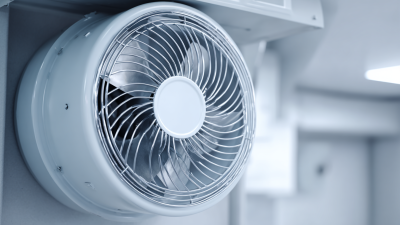
An Explosion Proof Ventilation Fan is designed for ventilation in areas where flammable gases, vapors, or combustible dust may be present. Its construction helps reduce the risk that electrical or mechanical components ignite the surrounding atmosphere. The term does not mean the fan can withstand every explosion or operate safely in every hazardous location. That distinction matters.
A suitable fan may include a protected motor, robust housing, and components selected for the expected environment. For example, a workshop handling volatile vapors may need different equipment from a dusty processing area. Temperature, airflow, corrosion, and installation conditions also affect selection. Labels and documentation should be checked carefully, since ratings and approvals vary by product and application.
This guide explores how these fans work, where they are used, and which features deserve attention. It also explains why airflow requirements, hazard classification, and maintenance practices should be considered together. A powerful fan is not automatically the right fan. Nor does a product description alone confirm suitability. Qualified professionals should verify equipment against site conditions and applicable safety requirements. Small details can be missed, even during a careful review. Asking for the manufacturer’s documentation and installation guidance is a practical starting point.
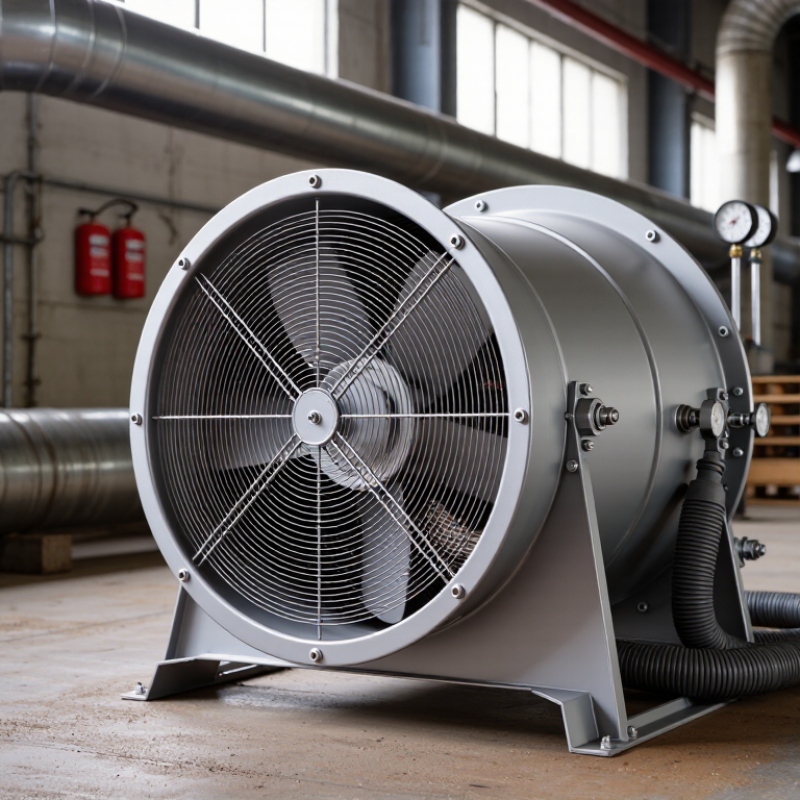
An explosion-proof ventilation fan is built for locations where flammable gases, vapors, or combustible dust may be present. Its electrical components are enclosed and designed to prevent an internal spark or flame from igniting the surrounding atmosphere. The term does not mean the fan can stop every explosion. That distinction matters. A complete installation may also require suitable wiring, grounding, and materials that limit friction sparks.
Its purpose is to move contaminated or hot air, help control hazardous concentrations, and reduce dust buildup when the system is properly designed. The U.S. Chemical Safety Board’s 2006 combustible dust study recorded 281 incidents, 119 deaths, and 718 injuries at industrial facilities between 1980 and 2005. Those figures show why airflow and dust control deserve careful attention, though a fan alone cannot eliminate the hazard. Selection should match the site’s gas or dust classification, temperature limits, airflow needs, and duct layout. In practice, specifications can feel less tidy than a product description suggests; real site conditions matter. Teams should verify ratings and installation details with qualified safety and engineering professionals.
| Topic | Definition or Purpose | Practical Details |
|---|---|---|
| Basic definition | An explosion-proof ventilation fan is a fan assembly designed and certified, where required, for use in specified hazardous locations where flammable gases, vapors, or combustible dust may be present. | The exact protection method and permitted location depend on the equipment marking, applicable regulations, and the site’s hazard classification. |
| Main purpose | It moves air to support ventilation, exhaust, or air circulation while reducing the risk that the equipment will ignite a hazardous atmosphere. | Ventilation can help control contaminant concentrations, but it does not replace hazard assessment, process controls, or other required safeguards. |
| Meaning of “explosion-proof” | In common North American usage, explosion-proof construction is intended to contain an ignition occurring inside an enclosure and prevent the flame from igniting the surrounding hazardous atmosphere. | It does not mean the fan is indestructible or that an explosion cannot occur. In other regions, different protection concepts and terminology may apply. |
| Potential ignition sources | Electrical arcs, hot surfaces, static discharge, or mechanical contact can ignite some flammable gases, vapors, or dusts. | Fan selection should consider the motor, wiring, controls, moving parts, operating temperature, and the material being handled. |
| Typical components to assess | The fan, motor, electrical connections, control devices, and installation accessories may all affect suitability for a hazardous location. | Verify that the complete installed arrangement—not just one component—matches the area classification and equipment requirements. |
| Hazardous-area classification | Hazardous locations are classified according to the type of flammable material and the likelihood or duration of its presence. | Classification systems differ by jurisdiction. A qualified professional should determine the applicable zone, division, group, and temperature requirements. |
| Standards and markings | Equipment may be evaluated under applicable national or regional standards, such as the IEC 60079 series or relevant North American requirements. | Check the nameplate and documentation for the approval, protection method, gas or dust group, temperature rating, and environmental limits applicable to the installation. |
| Common applications | Examples include ventilation for certain chemical-processing areas, paint-spraying spaces, fuel-handling facilities, and locations where combustible dust may be present. | Suitability depends on the specific substance, concentration, operating conditions, and local codes; these examples are not a general approval for every installation. |
| Selection considerations | Choose a fan based on the required airflow and pressure as well as the classified location and the properties of the air or process stream. | Consider temperature limits, corrosion resistance, dust or moisture exposure, duct configuration, motor type, and maintenance access. |
| Installation and maintenance | Correct installation and ongoing inspection help preserve the equipment’s protective features and ventilation performance. | Follow the manufacturer’s instructions and applicable codes. Do not modify certified equipment or substitute parts unless the approval permits it. |
| Important safety limitation | An explosion-proof fan is one part of a broader hazardous-area safety system; it does not by itself make a hazardous space safe. | Use a competent hazardous-area professional to assess the space, select equipment, and confirm ventilation design and compliance. |
Note: Requirements vary by jurisdiction and application. Confirm equipment suitability against the site-specific hazard assessment and applicable regulations.