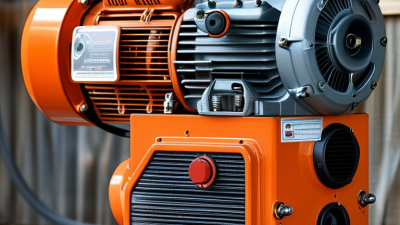


Choosing an Explosion Proof Blower in 2026 begins with the actual hazard, not the product label. A unit described as “explosion proof” is not automatically suitable for every gas, vapor, or combustible-dust environment. Confirm the required certification and operating conditions with the manufacturer and a qualified safety professional.
Explosion-safety researcher Paul Amyotte is a relevant authority in this field. No verified quotation from him about blower selection was provided, so I won’t attribute invented words to him. A practical selection principle for this guide is: “Match the blower’s certified protection to the specific hazard and duty point.” Keep that distinction in view.
Start with measurable requirements: airflow, static pressure, operating temperature, and expected run time. Check the equipment markings and documentation for the intended hazardous-area classification. Then review the motor, enclosure, materials, and installation requirements as one system. Details matter. A fan that moves enough air at a clean test bench may struggle against long duct runs, filters, or a restrictive hood. Ask for the performance curve at your required operating point, not just a maximum airflow figure. Compare maintenance access, spare-part availability, and service support, too. Paper specifications can look reassuring. They do not replace a site-specific review. This guide will help you ask sharper questions, compare options, and spot assumptions that deserve a second look before purchase.
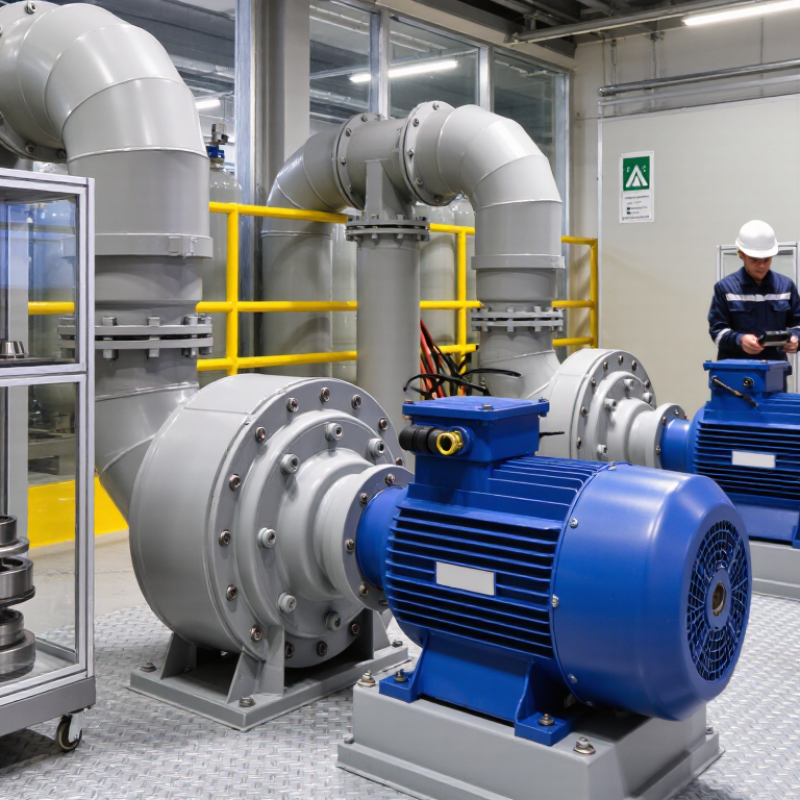
Before comparing blower materials or motor sizes, define exactly where it will operate. Review the hazardous-area classification and identify the substances present: flammable gas, vapor, or combustible dust. Record the required protection level, temperature limits, and site-specific certification criteria. Do not rely on a room label alone. Conditions can change near transfer points, pits, and process openings.
Then describe the actual operating duty. Measure required airflow and static pressure at the connected ductwork, not only at the fan inlet. Note temperature, altitude, humidity, corrosive vapors, dust loading, and expected run time. A blower that meets airflow targets on paper may underperform with a long duct or clogged filter. Small details matter. Measure carefully. Also check startup frequency and whether extraction is continuous or intermittent.
Use these findings to compare units rated for the identified area and operating conditions. Have a qualified ventilation or hazardous-area specialist verify the complete assembly, including its motor, wiring, seals, and accessories. Keep measurement records. A site survey can miss a brief vapor release, so review assumptions with process staff. That conversation is easy to skip, but the first draft of site data should not be treated as final.
Temperature-class limits help match equipment to the ignition temperature of the gas or vapor present. Identify the hazardous-area zone and gas group, then verify the blower’s certified rating and permitted ambient and process conditions.
Maximum surface-temperature limits: T1 450°C, T2 300°C, T3 200°C, T4 135°C, T5 100°C, and T6 85°C. Select a class whose maximum surface temperature is below the ignition temperature of the hazardous substance. Confirm the complete equipment marking and certification for the specific area and operating conditions.
An explosion-proof label is not enough. Match the blower’s certification to the classified area where it will operate. Check whether the hazard involves gas, vapor, or combustible dust, then confirm the zone or division, material group, and temperature class. These details affect which equipment markings are acceptable. A unit suitable for one gas group or temperature class may not suit another.
Read the certificate and nameplate together. Confirm the certified model, protection method, ambient-temperature range, and any installation limits. Check whether certification covers the complete blower assembly or only its motor; the distinction matters when the impeller, housing, or accessories can affect protection.
IECEx, ATEX, and North American certification routes are not interchangeable in every market. Verify the current requirements with the site’s authority and a qualified electrical or safety professional. Keep the certificate on file, and compare its scope with the purchase specification.
Small print counts. It is easy to miss a suffix or temperature limit during procurement, and I would not rely on a supplier’s summary alone. If the paperwork leaves a mismatch unresolved, pause selection and ask for clarification.
Choosing an explosion-proof blower in 2026 starts with the air requirement, not motor size. Define whether you need general ventilation, source capture, or heat removal. Estimate airflow from the process and capture needs; room air-change figures alone may miss a plume near a mixing tank. Note duct diameter, run length, elbows, dampers, and filter condition. Measure where practical. Estimates can drift.
Then calculate total static pressure: include duct friction and losses across fittings, filters, and outlets. Compare the required airflow and pressure with the blower’s performance curve. The selected operating point should meet both figures, rather than offering high airflow at insufficient pressure. Confirm that the blower’s certification, materials, and temperature rating suit the classified location and conveyed air. Have a qualified specialist verify the installation against applicable requirements.
Tips: Check the curve. Keep a small margin for filter loading, but avoid oversizing without reason. Record assumptions and revisit them after commissioning; even a tidy calculation may miss a restriction in the actual ductwork.
| Selection Step | Example Data | Calculation or Check | How to Use the Result |
|---|---|---|---|
| 1. Establish required airflow | Room volume: 120 m³ Illustrative ventilation rate: 6 air changes per hour |
Airflow = room volume × air changes per hour 120 × 6 = 720 m³/h |
Use the ventilation rate required by the process design and applicable regulations. The example rate is for calculation practice, not a universal requirement. |
| 2. Confirm the process airflow | Illustrative process requirement: 2,500 m³/h | Use the required flow at the operating condition, not the blower’s free-air or maximum-flow rating. | Account for capture hoods, makeup air, leakage, duct layout, and any process-specific ventilation requirements. |
| 3. Calculate system pressure | Duct loss: 500 Pa Filter loss: 350 Pa Hood and fittings: 250 Pa Outlet loss: 200 Pa |
Total example pressure loss = 500 + 350 + 250 + 200 = 1,300 Pa | Select a blower that delivers the required airflow at the total system pressure. Include the filter’s expected operating condition and use pressure losses from system calculations or measurements. |
| 4. Estimate required shaft power | Example duty point: 2,500 m³/h at 1,800 Pa Assumed overall efficiency: 60% |
Convert airflow: 2,500 ÷ 3,600 = 0.694 m³/s Air power = airflow × pressure = 0.694 × 1,800 = 1.25 kW Estimated shaft power = 1.25 ÷ 0.60 = 2.08 kW |
This is a preliminary estimate. Confirm the selected motor and blower against the manufacturer’s performance curve at the actual duty point. |
| 5. Compare illustrative duty points |
A: 1,200 m³/h at 1,500 Pa, 60% efficiency B: 2,500 m³/h at 1,800 Pa, 60% efficiency C: 5,000 m³/h at 2,500 Pa, 65% efficiency |
Estimated shaft power, using P = Q × Δp ÷ η: A: 0.83 kW B: 2.08 kW C: 5.34 kW |
These are calculation examples, not guaranteed blower ratings. A possible initial motor-size comparison is 1.1 kW, 2.2 kW, and 5.5 kW respectively; final selection depends on the performance curve, operating conditions, and applicable design requirements. |
| 6. Verify the hazardous-area classification | Identify whether the hazard is gas/vapor or combustible dust, and determine the area classification, material group, and required temperature class. | For example, gas areas may be classified as Zones 0, 1, or 2; dust areas may be classified as Zones 20, 21, or 22. Temperature-class limits depend on the selected protection system. | Specify equipment certified for the site’s exact classification and accepted by the jurisdiction. Do not choose equipment from airflow or pressure data alone. |
| 7. Check temperature and gas-density conditions | Record operating gas temperature, ambient temperature, gas composition, and any corrosive or particulate content. | Gas temperature and density can change the blower’s delivered performance and power demand. Compare the required maximum surface temperature with the hazard’s ignition-temperature limits. | Have the supplier verify performance for the actual gas and temperature conditions, including materials and any required corrosion or contamination protection. |
| 8. Confirm the complete installation | Review motor, wiring, grounding, guards, seals, accessories, and installation location as one assembly. | Check that the certification and installation instructions cover the complete equipment configuration and site conditions. | Use qualified engineering and installation personnel. Follow applicable local codes and the equipment’s certified instructions for installation, inspection, and maintenance. |
Important: Airflow, pressure, and power examples are illustrative only. Final blower selection requires a verified system duty point, performance data for the actual operating conditions, and hazardous-area equipment certification appropriate to the installation.
Choosing an explosion-proof blower starts with the actual hazard, not just the airflow target. Confirm the classified area, gas or dust group, and required temperature rating with a qualified specialist. Details matter. A motor’s protection marking must match the site conditions and applicable requirements; similar-looking ratings are not interchangeable.
Construction materials affect corrosion resistance, durability, and static control. Stainless steel may suit damp or chemically aggressive environments, while coated steel can work where exposure is less severe. Check the impeller, housing, fasteners, and seals together. Not just airflow. Material compatibility depends on the process, cleaning agents, and operating temperature. A specification can seem complete, yet overlook a small seal or coating detail.
Compare motor arrangements, including direct drive and belt drive, against maintenance access and operating needs. Select a motor certified for the intended hazardous location, with suitable temperature limits and enclosure protection. Look for practical safeguards such as grounding points, overload protection, temperature monitoring, and vibration limits where appropriate. Guards and service access matter too. Keep inspection intervals realistic; a feature that is difficult to check may be neglected. Review the documentation, installation conditions, and maintenance plan before approving a model.
When choosing an explosion-proof blower in 2026, assess the installation before comparing specifications. Confirm the classified area, gas or dust group, temperature class, and required certification with a qualified site professional. Check the actual airflow and pressure at the duct connection, not just the blower’s free-air rating. A mismatch can mean poor ventilation and wasted energy. Measure available floor space, service clearance, ambient temperature, and the route for removing the motor or impeller. Access matters.
Maintenance needs shape lifecycle cost. Ask how technicians will inspect bearings, electrical connections, seals, and accumulated dust without disrupting nearby equipment. Set inspection intervals using the manufacturer’s instructions and site conditions; vibration, unusual noise, or rising bearing temperatures deserve prompt attention. Keep compatible replacement parts on hand if downtime would interrupt production. An awkward access panel can turn a routine check into a costly shutdown.
Energy use also deserves a place in the purchase decision. The U.S. Department of Energy’s Improving Fan System Performance: A Sourcebook for Industry reports that suitable fan-system improvements can reduce energy use by 20–50%. That range is not a guarantee; actual savings depend on the system and operating hours. Compare expected energy use, maintenance labor, and planned replacement over the blower’s service life. One detail is easy to miss: operating needs may change, so document the assumptions behind your airflow and duty-cycle estimates.