Best Filter Dryer Options for Efficient Industrial Use?
In the fast-paced world of industrial manufacturing, choosing the right equipment is crucial. A reliable filter dryer is essential for ensuring product quality and operational efficiency. According to industry reports, filter dryers can enhance drying processes by up to 30%, significantly reducing time and energy costs. This efficiency leads to higher productivity and better resource management.
However, not all filter dryers are created equal. Different applications require specific features, which can complicate the selection process. In fact, a recent survey indicated that 40% of companies reported challenges in choosing the optimal filter dryer for their needs. This highlights the importance of understanding various options and their implications on overall manufacturing performance.
As industries evolve, the demand for advanced and efficient filter dryer solutions continues to grow. Embracing innovative designs can streamline operations but requires careful consideration. Ultimately, the decision-making process should be guided by comprehensive research and insights into current technology trends to achieve the best results in industrial applications.
Understanding Filter Dryers: Definition and Functionality
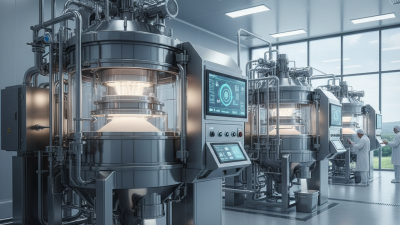
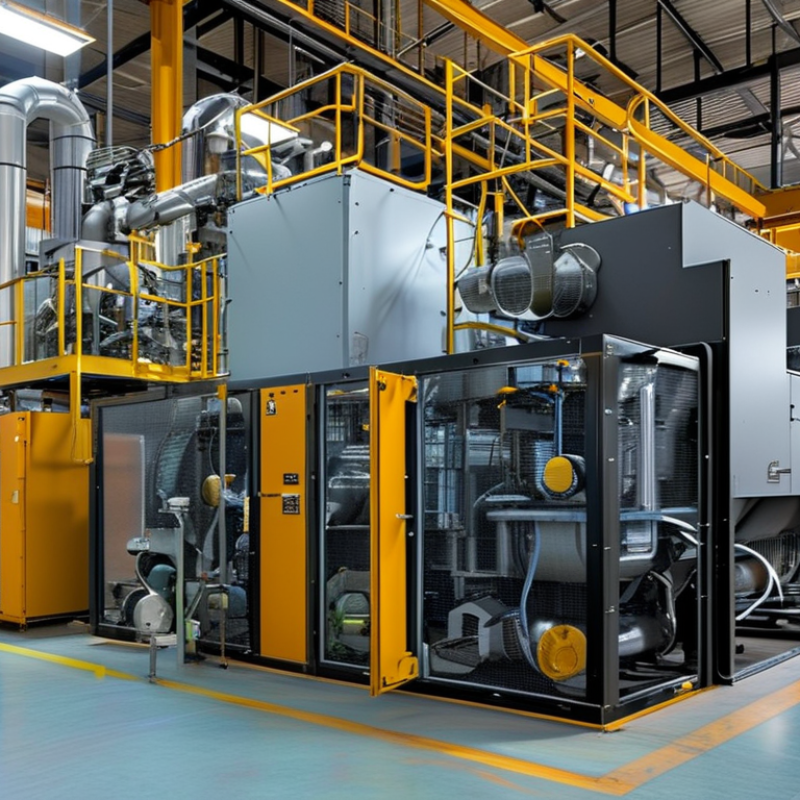
Filter dryers play a crucial role in industrial processes. They are designed to separate liquids from solids in various applications. These devices ensure efficient drying of filters, which is essential for maintaining product quality. According to a report by the International Society for Pharmaceutical Engineering, about 30% of production costs can be attributed to drying processes. Companies often overlook this fact, leading to inefficiencies.
The functionality of filter dryers lies in their dual purpose. They not only filter solids from liquids but also facilitate drying in the same unit. This integration reduces the risk of contamination. The American Institute of Chemical Engineers emphasizes the importance of using advanced filter dryer models. Such models can enhance throughput by up to 25%. Despite these advantages, firms frequently choose outdated technologies due to budget constraints.
Understanding the nuances of filter dryer operations is vital. For instance, selecting the right drying technology directly impacts energy consumption. Reports show that inefficient drying processes can consume 15% more energy than necessary. This not only increases costs but also affects overall sustainability efforts. Industries must reflect on their choices to optimize efficiency and minimize waste in their operations.
Types of Filter Dryers for Industrial Applications
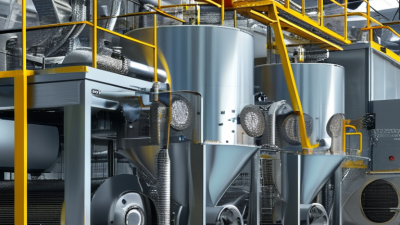
When considering filter dryers for industrial applications, various types come into play. The most common types include vacuum dryers, paddle dryers, and tray dryers. Each type offers unique benefits suited for specific processes. Vacuum dryers operate under low-pressure conditions, which helps in drying heat-sensitive materials effectively. Paddle dryers utilize a combination of heat and mechanical movements to enhance drying, making them ideal for thick slurries.
Choosing the right filter dryer requires understanding the material properties. For instance, materials that tend to clump may benefit from the mixing action of paddle dryers. On the other hand, fragile materials may require the gentler approach of a vacuum dryer. It's crucial to assess the thermal sensitivity and moisture content of your materials. This helps to avoid costly mistakes.
Some industries might find their current filter dryer options insufficient. It is essential to evaluate the drying efficiency. Inadequate dryers can lead to extended drying times and energy wastage. Regularly reviewing equipment performance ensures that resources are not squandered. Knowing when to upgrade or switch types can drastically improve operational efficiency.
Key Features to Consider When Choosing a Filter Dryer
When selecting a filter dryer for industrial use, consider several key features that enhance efficiency. One crucial aspect is the drying capacity. Different applications require different capacities. Choose a model that matches your production needs. A dryer that handles more volume can prevent bottlenecks.
Another vital element is the filtration efficiency. Ensure that the filter dryer can effectively remove moisture and contaminants. This will impact the quality of the final product. A highly efficient filter not only improves cleanliness but also extends the equipment’s lifespan.
Maintenance is also an important consideration. Examine the ease of cleaning and servicing. A design that facilitates quick maintenance can reduce downtime. Regular checks can prevent costly repairs down the line.
Choosing the right filter dryer requires careful thought. Analyze your specific requirements, and consult experts if needed. Be aware that not every feature may suit your system. Sometimes, less complex models could serve you better. Evaluate all possibilities to find the best fit.
Best Filter Dryer Options for Efficient Industrial Use
Top Brands and Models of Filter Dryers for Efficiency
When selecting filter dryers for industrial applications, efficiency is paramount. Various models are available, each with its unique features. Look for designs that optimize drying time while minimizing energy consumption. Efficient heat transfer and filtration systems play critical roles. These functionalities ensure that materials are processed quickly and effectively.
Leading brands often prioritize user feedback in their designs. Their models are engineered for ease of maintenance and durability. Some dryers offer automated controls, which enhance usability and reduce human error. However, it’s essential to regularly evaluate these features. Innovations occur frequently in this field. Staying informed on the latest advancements can lead to better choices.
Consider the environmental impact of your selection. Sustainable practices are becoming more crucial in the industrial sector. Energy-efficient models can significantly lower the carbon footprint. In addition, some dryers may require less water or other resources. This reduces operational costs while preserving vital resources. The balance between performance and sustainability is worth considering carefully.
Maintenance Tips for Optimal Performance of Filter Dryers
Filter dryers are essential tools in industrial processes. To maintain their efficiency, proper care is crucial. Regularly check for leaks or wear in the seals to prevent contamination. A simple visual inspection can reveal a lot about the unit’s condition. Ensure that the inlet and outlet connections are secure. Loose connections can lead to operational failures, reducing overall performance.
Routine maintenance is important but often overlooked. Clean the filtration media at consistent intervals. This step prevents buildup that could hinder airflow and drying efficiency. Some users have found that neglecting this task leads to reduced output quality. Calibration of sensors should not be ignored either. Accurate readings support optimal operation. A small error can result in significant losses.
Training staff on the proper operation of filter dryers adds a layer of reliability. Well-informed operators are more likely to identify issues early. Encouraging regular feedback from operators can also highlight areas for improvement. All these practices can extend the life of the filter dryer. However, it’s key to remember that no system is perfect. Continuous evaluation of maintenance practices will ensure the best results over time.



 Email
Email Whatsapp
 WeChat