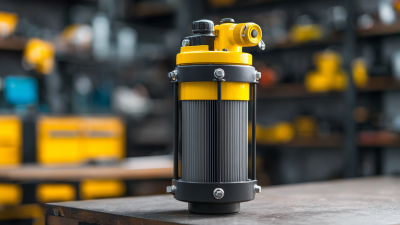
Why Choose a Filter Dryer for Your Industrial Applications?
In the world of industrial processing, efficiency and reliability are paramount. One solution that stands out is the Filter Dryer. This equipment combines filtration and drying in one system, optimizing production processes. Many industries face challenges like contamination and moisture retention. A Filter Dryer tackles these issues effectively, resulting in higher product purity.
When considering industrial applications, the choice of equipment matters significantly. A Filter Dryer ensures that material remains uncontaminated during drying. Additionally, it provides a closed system, minimizing exposure to external elements. This reliability is crucial for industries such as pharmaceuticals and food processing, where adherence to safety standards is non-negotiable.
However, selecting the right Filter Dryer can pose challenges. Factors like size, capacity, and material compatibility must be evaluated thoroughly. Some might overlook these aspects, leading to inefficiencies. Continuous assessment and expert guidance can make a significant difference. By prioritizing the right equipment, industries can enhance their productivity and meet stringent safety regulations confidently.
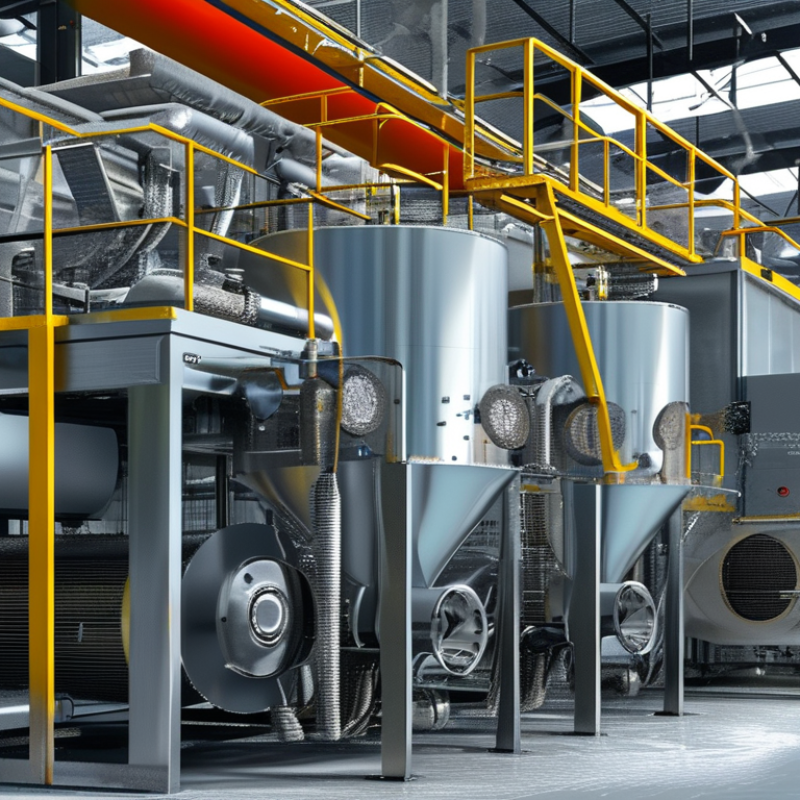
Understanding Filter Dryers: Definition and Functionality
Filter dryers play a critical role in industrial applications. They combine filtration and drying processes to enhance efficiency and product quality. Understanding how these systems function can help manufacturers optimize their operations. Filter dryers typically use a combination of mechanical and thermal principles to separate solids from liquids, ensuring a cleaner, drier end product.
The functionality of a filter dryer centers on its ability to remove moisture effectively. This process not only reduces the weight of materials but also prevents contamination. In practical terms, the solids collected from filtration can be subjected to heat, driving off remaining moisture. This dual action enhances both the purity and stability of the product, which is crucial in industries like pharmaceuticals and food processing.
However, the design of filter dryers is not without challenges. Manufacturers must consider factors like the type of material being processed and the desired moisture content. It's essential to continuously assess and optimize these systems. Many users face inefficiencies, which can lead to higher costs and time delays. Thus, understanding filter dryers is key. It allows businesses to make informed decisions and strive for better outcomes in their industrial processes.
Key Advantages of Using Filter Dryers in Industrial Settings
Filter dryers offer unique advantages for industrial applications. These versatile machines improve product quality by integrating filtration and drying processes. According to a recent industry report, 80% of manufacturers noted enhanced product purity when using filter dryers. This efficiency can lead to reduced processing times, enabling quicker turnaround for production schedules.
Utilizing a filter dryer minimizes contamination risks. The enclosed system reduces exposure to air and moisture. Such controlled conditions mean fewer impurities enter the product. Additionally, maintenance requirements are low. This fosters a more reliable production line. Process efficiency increased by 25% in companies that switched to filter dryers, as indicated by an industry study.
**Tips:** Always conduct a thorough assessment of your material properties before selecting a filter dryer. Consider factors like particle size and moisture content. Regularly review your processing needs to ensure the filter dryer aligns with evolving production goals. Simple adjustments can lead to significant improvements. Be open to revisiting your filtration methods to maximize efficiency.
Why Choose a Filter Dryer for Your Industrial Applications?
| Feature |
Description |
Advantages |
| Separation Efficiency |
Achieves high levels of solid-liquid separation ensuring minimal contamination. |
Improved product quality and reduction of downtimes due to filter changes. |
| Versatile Applications |
Applicable in various industries including pharmaceuticals, chemicals, and food processing. |
Flexibility in manufacturing processes and reduction of equipment required. |
| Energy Efficiency |
Designed to minimize energy consumption during drying processes. |
Lower operational costs and reduced environmental impact. |
| Automation and Control |
Often includes automated systems for enhanced process control. |
Increased reliability and less human error in operations. |
| Compact Design |
Space-efficient designs suitable for limited floor space. |
Optimized use of floor space without compromising production capacity. |
Applications of Filter Dryers Across Various Industries
Filter dryers are essential in various industries for their efficiency in separating liquids from solids. In pharmaceuticals, for instance, these devices ensure that active ingredients are pure and free from contaminants. The rigorous standards in this industry demand reliable solutions, and filter dryers meet those needs by providing consistent results. Their ability to handle large volumes makes them suitable for batch processing, a common practice in drug manufacturing.
In the food industry, filter dryers play a vital role in producing powdered ingredients. They help maintain quality and prevent spoilage during processing. Companies must ensure that the final product has the right moisture content. Filter dryers can be adjusted to meet specific moisture requirements, which helps maintain the integrity of the food products. This flexibility is crucial in a market where consumer preferences change rapidly.
Chemical manufacturing also benefits from filter dryers. They facilitate the production of fine chemicals by effectively separating solvents from reactants. However, not all filter dryers can handle aggressive chemicals. This necessitates careful selection and ongoing evaluation. Companies must sometimes reassess their equipment to ensure optimal performance while managing costs. Effective communication within teams is key to identifying issues and fostering improvements.
Choosing the Right Filter Dryer: Factors to Consider
When selecting a filter dryer for industrial applications, several factors must be evaluated. Start by considering the type of materials you will be processing. Different materials may require distinct filtration methods. A thorough understanding of your product is essential. Ask yourself about the particle size and consistency. This knowledge helps in choosing the right filter type.
Next, think about the operational efficiency. Look for a filter dryer that meets the production speed you need. Some machines heat more quickly and dry better than others. Efficiency impacts overall costs and productivity. A machine that uses energy wisely can save you money in the long term.
Also, consider the maintenance requirements. Simplified cleaning and upkeep are crucial for smooth operations. A complex system might lead to downtime and increased labor costs. Reflect on the available space for installation. Ensure that the chosen model fits comfortably while allowing for easy access. These considerations will help tailor your choice to your specific industrial needs.
Maintenance Tips for Optimizing Filter Dryer Performance
When optimizing filter dryer performance, proper maintenance is crucial. Regular inspections help identify potential issues early. Keep an eye on the seals and gaskets. They can wear out over time. Replace them promptly to maintain efficiency.
Cleaning the filter is another essential task. Build-up can hinder operation. Make sure to use appropriate cleaning methods recommended by professionals. A dirty filter reduces airflow and affects drying performance. Some users may neglect this step, leading to inefficiencies.
Consistency is key in monitoring temperature and pressure gauges. Any fluctuations can signal underlying problems. Consider setting up a routine check. This can prevent unexpected downtime. Utilizing the right tools for maintenance tasks is vital. Invest in quality equipment to ensure thorough inspections.
Filter Dryer Performance Optimization
This bar chart illustrates key performance metrics for filter dryers, including efficiency, maintenance frequency, downtime, and energy consumption. Optimizing these factors can enhance the overall performance of filter dryers in industrial applications.



 Email
Email Whatsapp
 WeChat