How to Choose the Right Inducer Motor Furnace for Your Needs?
Choosing the right Inducer Motor Furnace for your specific needs is crucial for optimal performance. An efficient furnace can significantly impact your heating system. With numerous models available, it can be overwhelming to decide which one fits best.
Understanding the basic functions of an Inducer Motor Furnace is essential. This furnace enhances airflow and improves combustion efficiency. However, not every model will suit every home. Factors like size, efficiency ratings, and specific heating requirements must be considered.
Make sure to evaluate your current heating system. Consider your home’s layout and insulation levels. Not every furnace will meet your expectations. Research solid brands and read consumer reviews. This will give you insights into reliability and performance.
Understanding Inducer Motors and Their Function in Furnaces
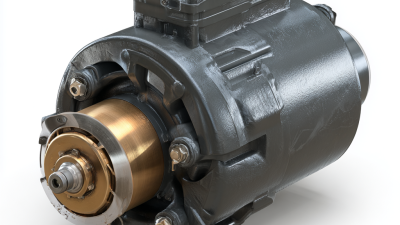
Inducer motors play a crucial role in furnace operations. These motors are responsible for ensuring proper airflow. They help channel exhaust gases safely outside. This process enhances energy efficiency and safety in your heating system. Understanding how they work can guide your choice when selecting a furnace.
Inducer motors operate by creating a negative pressure. This pressure pulls in air required for combustion. It also expels harmful gases. Choosing the right motor involves considering your home's size and heating needs. It's important to match the motor's capacity with your furnace specifications. Many people overlook this detail. A mismatched motor can lead to inefficient operation.
Seek advice from HVAC professionals if you're uncertain. They can offer valuable insights based on years of experience. Don’t rush this decision. Inadequate or excessive airflow can affect performance. Explore different options and assess available features. Regardless of your choice, ensure that it aligns with your heating requirements.
Key Factors to Consider When Selecting an Inducer Motor
When selecting an inducer motor furnace, several key factors play a vital role. The motor size affects the overall efficiency. A correctly sized motor ensures optimal performance while minimizing energy consumption. Efficiency ratings also matter. Look for motors with high efficiency to save on long-term costs.
Consider installation requirements, as some models may need specific adaptations. Check the available space and ventilation needs. Ensure that the furnace aligns with your current setup to avoid costly modifications.
Tips: Think about maintenance. A design that allows easy access can save you time and effort down the line. Noise levels also impact comfort; choose a quieter model for a more pleasant environment. Don't overlook warranty and support options. A reliable manufacturer offers peace of mind in case of issues.
How to Choose the Right Inducer Motor Furnace for Your Needs?
| Factor |
Description |
Importance Level |
| Motor Power |
Determine the required power rating for efficient operation. |
High |
| Size Compatibility |
Ensure the motor fits within the furnace dimensions. |
Medium |
| Efficiency Ratings |
Look for energy-efficient models to reduce operational costs. |
High |
| Control Features |
Advanced controls can enhance performance and reliability. |
Medium |
| Noise Levels |
Consider the noise output, particularly for residential applications. |
Medium |
| Maintenance Requirements |
Choose models that are easy to maintain and service. |
High |
| Temperature Range |
Ensure the motor can handle the required temperature range. |
High |
Assessing Your Heating Needs: Size and Capacity Requirements
Choosing the right inducer motor furnace requires a careful assessment of your heating needs. Size and capacity are crucial factors. A furnace must meet your home’s heating requirements effectively. If it's too small, it won’t heat your space adequately. If it's too large, it can lead to inefficiencies and higher energy bills.
To calculate the appropriate size, consider the square footage of your home. Consider the climate in your area. Colder regions may need furnaces with higher capacities. Also, think about insulation quality. Well-insulated homes may require less heating power. The heating load calculation is an essential step. Ignoring this can result in uncomfortable living conditions, inconsistent temperatures, and increased utility costs.
You might also reflect on your furnace's efficiency. A higher-efficiency model could cost more upfront. Is the investment worth it? It often is, since it can save money long term. Don’t forget to evaluate your lifestyle needs. Do you have large gatherings or pets that may affect heating? Each decision affects your overall satisfaction. Balancing your heating needs and budget is key.
Comparing Efficiency Ratings for Inducer Motors
When selecting an inducer motor furnace, understanding efficiency ratings is crucial. The efficiency of inducer motors significantly impacts heating costs and energy consumption. According to the U.S. Department of Energy, high-efficiency models can achieve ratings of up to 95%. This means less energy is wasted, leading to cost savings over time. However, factors such as installation and maintenance can affect these ratings.
A comparative study by the American Society of Heating, Refrigerating and Air-Conditioning Engineers (ASHRAE) indicates that even minor differences in efficiency can lead to substantial cost differences. A furnace with an efficiency rating of 90% compared to one rated at 80% might seem negligible at first. Yet, over several years, the higher efficient model can save a homeowner hundreds in energy bills. This emphasizes the importance of considering long-term benefits rather than just initial costs.
It's also essential to note that not all high-efficiency models are equal. Variations in motor designs and technologies can influence performance. A furnace might be labeled as “high-efficient,” but in real-world conditions, it may not perform as expected. Homeowners need to weigh all these factors. Regular maintenance, for instance, can vastly improve a unit's efficiency. Understanding these details can lead to more informed choices in selecting the right inducer motor furnace for specific heating needs.
Maintenance and Longevity: Choosing a Durable Inducer Motor
Choosing a durable inducer motor for your furnace is essential for performance and longevity. A well-built inducer motor can enhance efficiency while lowering energy costs. According to industry reports, high-quality motors can last up to 15 years with proper maintenance. Regular inspections and timely repairs can further extend their lifespan. The right materials and design contribute to their resilience against wear and tear.
Durability often translates to reliability. Research indicates that about 30% of furnace failures are linked to motor issues. Selecting a motor with robust build quality can mitigate such risks. Look for options that offer sealed bearings and corrosion-resistant housing. These features enhance protection against environmental factors. Yet, it's essential to weigh the benefits of durability against initial costs. Sometimes, a more affordable option may lead to higher long-term expenses due to premature failures.
Understanding the specifications is crucial. Review the motor's specifications to ensure compatibility with your furnace model. Misalignment or insufficient power can lead to inefficiencies. Industry experts recommend consulting with HVAC professionals to assess your specific needs. This ensures you make an informed choice that balances upfront investment with long-term benefits.
Inducer Motor Furnace Maintenance and Longevity Assessment
This chart illustrates the maintenance frequency required for various inducer motor furnace types. Type A requires the least maintenance, while Type B demands the most, reflecting differing durability and longevity based on design and material quality.



 Email
Email Whatsapp
 WeChat