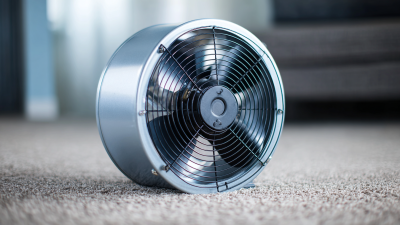
Top 10 Condenser Fan Types for Efficient Cooling Systems?
In today's world, efficient cooling systems are essential for various industries. As we explore the "Top 10 Condenser Fan Types for Efficient Cooling Systems," it's vital to understand the role of condenser fans. Experts emphasize their importance in maintaining unit efficiency. Renowned HVAC specialist, Dr. Jane Thompson, states, "An optimally chosen condenser fan can significantly enhance energy savings."
Condenser fans are not just components—they are the backbone of cooling systems. Different types serve various needs, making selection crucial. Choosing the right fan impacts system performance, energy consumption, and even longevity. Many businesses overlook this, which can lead to wasted resources and inefficiency.
The landscape of condenser fans continues to evolve. Innovations bring better designs and energy-efficient options. However, not all fans suit every application. It's essential to reflect on the specific requirements before making a decision. With so many options available, discernment in choice can lead to impressive results. The right condenser fan is not just a purchase; it's an investment in efficiency.
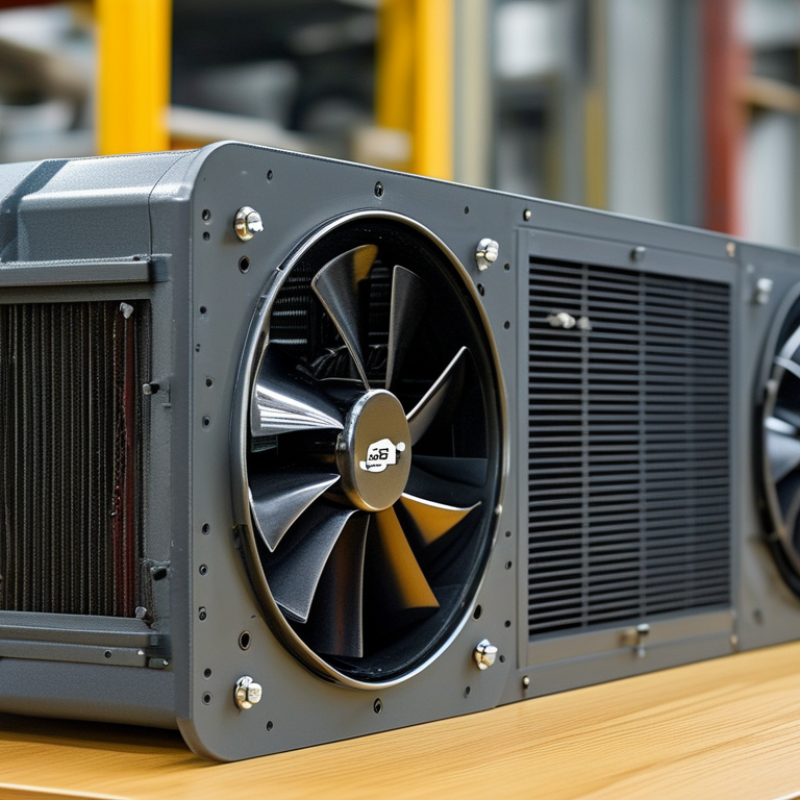
Overview of Condenser Fan Types and Their Functionality
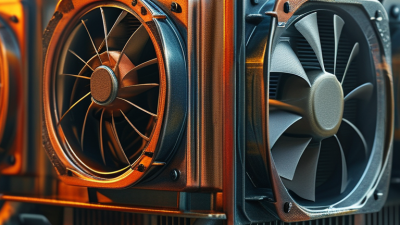
Choosing the right condenser fan type is crucial for optimizing cooling efficiency. Various types of fans serve distinct purposes in cooling systems. Axial fans, for instance, are common for their efficient airflow in low-pressure applications. Centrifugal fans, on the other hand, excel in high-pressure scenarios, making them suitable for demanding environments. According to industry reports, axial fans can achieve up to 85% efficiency, aligning with the goals of energy conservation and cost reduction.
Moreover, mixed-flow fans combine features of both axial and centrifugal designs, offering versatility. The balance between airflow and pressure is essential, especially in settings with fluctuating demands. A study by the Department of Energy highlights that selecting the appropriate fan type can lead to a 30% reduction in energy use for cooling systems.
When evaluating fan types, consider your specific cooling needs. Environmental factors can significantly impact performance. For instance, high temperatures may necessitate fans with higher ratings. Proper maintenance is also vital. Regular cleaning can prevent dust accumulation and enhance efficiency. Emphasizing proper installation practices will result in better airflow and reduced operational costs.
Key Characteristics of Efficient Condenser Fans
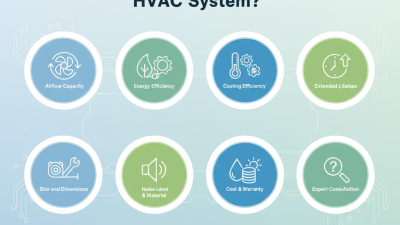
Condenser fans play a critical role in cooling systems. Their efficiency can significantly impact the overall performance and cost-effectiveness of HVAC systems. When selecting a condenser fan, consider its energy consumption, airflow efficiency, and noise levels. Efficient models often have optimized blade designs that enhance airflow while minimizing resistance.
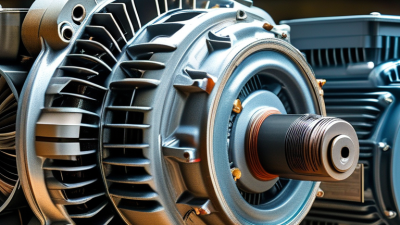
The type of motor used in a condenser fan is crucial. Dual-speed or variable-speed motors allow for better control over energy use. These motors adjust according to demand, providing cooling exactly when needed. Check for fans with integrated sensors that optimize performance. Such features can reduce energy waste and enhance reliability.
Investing in regular maintenance can extend the lifespan of condenser fans. Cleaning and inspecting fans prevent the accumulation of debris, which can impede airflow. Inspect blades and motors regularly to ensure they are in good condition.
Consider utilizing smart technology for monitoring system performance. Smart thermostats can provide insights into energy usage and alert you to potential issues early. This proactive approach can lead to significant long-term savings and a more reliable cooling system.
Comparison of Various Condenser Fan Designs
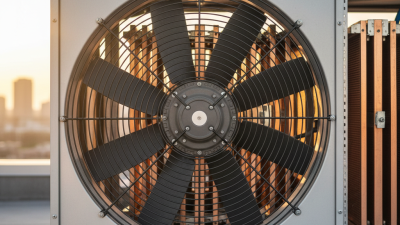
In the realm of cooling systems, choosing the right condenser fan design is crucial. Various designs offer distinct advantages. For instance, axial fans are known for their efficiency in moving large volumes of air, making them suitable for outdoor units. However, they can struggle in high-pressure conditions. On the other hand, centrifugal fans excel in these situations but might be less efficient at lower speeds. This contrast emphasizes the need for careful consideration when selecting a fan.
Another notable type is the mixed-flow fan. It combines features of both axial and centrifugal designs, providing versatility. However, the complexity of its construction can sometimes lead to maintenance challenges. Understanding the airflow characteristics of each type can illuminate the most suitable choice based on specific cooling requirements. Additionally, optimizing energy consumption is paramount. An underperforming fan can lead to increased operational costs, prompting a re-evaluation of design choices.
Real-world application also highlights issues with fan placement and airflow direction. Even the best fan design can falter if improperly installed. Many users overlook these details, resulting in inefficient systems. Testing various configurations may be necessary to achieve optimal performance. These reflections underscore the importance of a well-informed selection process for condenser fans.
Top 10 Condenser Fan Types for Efficient Cooling Systems
| Fan Type |
Airflow (CFM) |
Efficiency (Cfm/Watt) |
Noise Level (dB) |
Typical Applications |
| Axial Fan |
500 - 10,000 |
7 - 15 |
40 - 60 |
HVAC, Refrigeration |
| Centrifugal Fan |
300 - 6,000 |
5 - 10 |
50 - 70 |
Industrial, Commercial |
| EC Fan |
200 - 5,000 |
15 - 25 |
30 - 50 |
Energy-efficient systems |
| Vane Axial Fan |
400 - 8,000 |
8 - 18 |
45 - 65 |
General HVAC |
| Belt Drive Fan |
600 - 12,000 |
6 - 12 |
60 - 80 |
Industrial use |
| Direct Drive Fan |
400 - 9,000 |
10 - 16 |
50 - 75 |
HVAC systems |
| Multi-Blade Fan |
300 - 5,500 |
8 - 14 |
55 - 70 |
Cooling towers |
| Mixed Flow Fan |
350 - 7,000 |
9 - 16 |
40 - 60 |
Versatile applications |
| Fume Extractor Fan |
200 - 2,000 |
5 - 12 |
60 - 85 |
Welding shops, industrial |
Applications of Different Condenser Fan Types
When it comes to condenser fans, understanding their applications is essential for optimizing cooling systems. Centrifugal fans are often used in large commercial setups. They provide high airflow volumes while maintaining low noise levels. Their design allows for effective air circulation in industrial environments. Meanwhile, axial fans are common in smaller applications. They are simple and cost-effective, making them perfect for residential air conditioning units. However, their efficiency drops significantly in high-resistance settings.
Another type, the tube axial fan, is designed for applications that require high-pressure air movement. These fans are often found in cooling towers. They efficiently move air across condenser coils. On the other end, vane axial fans are utilized for their ability to handle various airflows. They are versatile, suitable for both low and high-speed operations. Yet, it’s essential to choose the right fan type based on specific system needs to maximize performance. Ignoring this can lead to inefficiency and higher energy costs. Understanding these details helps in selecting the most suitable fan for every cooling application.
Factors to Consider When Choosing a Condenser Fan
When selecting a condenser fan, several critical factors influence its efficiency. The fan size is essential. A properly sized fan ensures optimal airflow and cooling capacity. Underestimating the required size may lead to poor performance. Conversely, oversized fans can result in excessive energy consumption. According to industry reports, a fan that is appropriately matched to the condenser can improve energy efficiency by up to 30%.
Another vital consideration is the fan speed. Variable speed fans allow for better control over cooling output. This capability can reduce energy costs significantly, as they can adjust performance based on real-time demands. Research suggests that variable speed fans can achieve up to 50% energy savings compared to fixed-speed counterparts. However, it is vital to ensure the fan's speed control system is reliable and efficient.
Noise levels are also important, especially for residential applications. Fans produce varying decibel levels based on their design and construction. Selecting a quieter fan can improve comfort without sacrificing performance. Some studies indicate that noise reduction measures can enhance overall system satisfaction for users. Balancing efficiency and comfort involves meticulous attention to these factors during your selection process.



 Email
Email Whatsapp
 WeChat