What is a Condenser Fan and How Does It Work?
A condenser fan is an essential component of many refrigeration and air conditioning systems. These fans play a critical role in transferring heat away from the condenser unit to the outside environment. By doing so, they facilitate the cooling process that keeps systems functioning efficiently. Understanding how a condenser fan operates is vital for anyone involved in HVAC maintenance or repair.
In essence, the condenser fan draws air through the condenser coil. This action enhances heat exchange, making cooling more effective. However, many people overlook its importance until performance issues arise. A poorly functioning condenser fan can lead to higher energy costs and system failures. Regular maintenance can help identify problems early.
The design of a condenser fan varies by application. Some systems require larger units for increased airflow, while others may use smaller, quieter fans. Despite advancements in technology, it's not uncommon for users to face challenges. Inefficient models and improper installation can create complications. Learning about these factors can empower users to make informed decisions and optimize their systems.
What is a Condenser Fan?
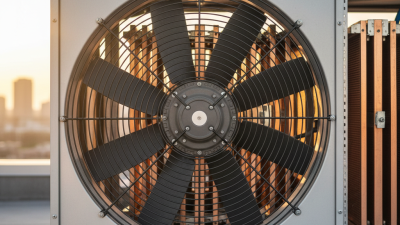
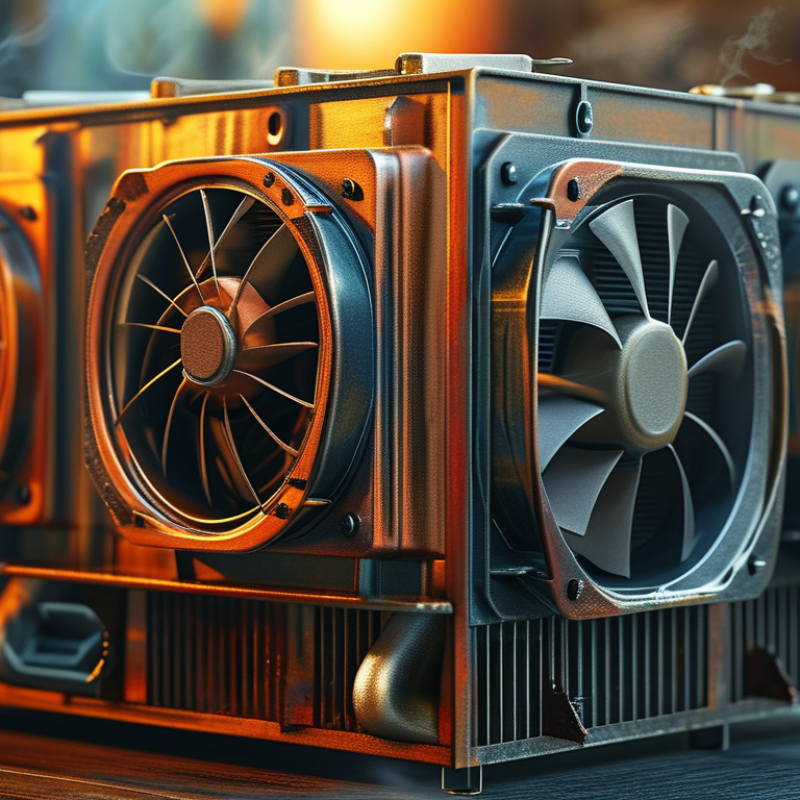
A condenser fan is a vital component in refrigeration systems and air conditioning units. It plays a crucial role in dissipating heat from refrigerants. When these systems operate, they create heat that must be expelled to maintain efficiency. The condenser fan helps achieve this by drawing air over the condenser coils. This process ensures that the refrigerant cools down and can return to the system to continue its cycle.
Studies show that inefficient cooling can lead to increased energy costs. According to the U.S. Department of Energy, properly functioning condenser fans can improve efficiency by up to 20%. Conversely, a malfunctioning fan can cause significant energy loss. Regular maintenance is essential. This includes checking for dust buildup and ensuring that the fan blades rotate freely. Neglecting these aspects can lead to higher operational costs and system failure.
The design and efficiency of condenser fans vary greatly. Some fans use variable speed controls to adapt to changing temperatures. This technology can enhance overall performance and promote energy savings. Despite these advancements, many systems still rely on outdated fan models. This leads to suboptimal cooling and higher energy consumption. Evaluating the efficiency of your condenser fan is essential in today’s energy-conscious environment.
The Functionality of a Condenser Fan
A condenser fan plays a crucial role in cooling systems, particularly in HVAC units. Its primary functionality is to dissipate heat from refrigerants by drawing ambient air over the condenser coils. As the refrigerant circulates, it absorbs heat from inside a space and evaporates. Once it reaches the condenser, the fan expels heat, allowing the refrigerant to condense and return to a liquid state. This process maintains system efficiency and cooling performance.
In commercial refrigeration, approximately 30% of energy consumption is attributed to the condenser fan. Research shows that proper fan operation can reduce energy costs significantly. For example, energy-efficient fans can lower operational expenses by up to 20%. However, over time, debris and dust can accumulate on the fan blades, affecting performance. Regular maintenance is essential to ensure optimal airflow and prevent energy waste.
Despite its importance, many systems still use outdated fans that consume excessive energy. Upgrading to more efficient designs can lead to substantial long-term savings. Industry reports suggest that modern fans can improve airflow dynamics and reduce noise. Though the initial investment may seem high, the return on efficiency justifies the switch, yielding a path toward sustainable cooling solutions.
What is a Condenser Fan and How Does It Work? - The Functionality of a Condenser Fan
| Dimension |
Details |
| Function |
To cool and ventilate the condenser coils in refrigeration and air conditioning systems. |
| Components |
Includes the motor, fan blades, and housing for directing airflow. |
| Working Principle |
The fan draws in ambient air, which passes over the condenser coils to remove heat. |
| Importance |
Essential for system efficiency and longevity by preventing overheating. |
| Types |
Single-speed, Variable-speed, and EC (Electronically Commutated) fans. |
Key Components of a Condenser Fan System
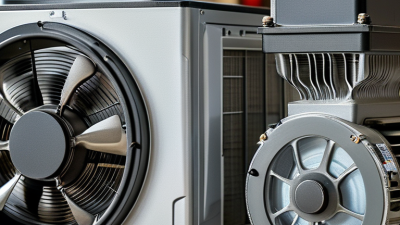
A condenser fan plays a crucial role in cooling systems, particularly in air conditioning and refrigeration. Understanding its key components helps ensure effective operation. The primary components include the motor, blades, and housing. The motor drives the blades, which pull air through the condenser coil. This process facilitates heat exchange, allowing the refrigerant to condense effectively.
Tips: Regularly inspect the fan blades for dirt buildup. Dirt can hinder performance and efficiency.
The housing protects the fan and motor from external elements, maintaining optimal performance. A well-designed housing ensures airflow is directed efficiently. This minimizes energy consumption and enhances cooling effectiveness. However, poor maintenance can lead to noise and inefficient operation.
Tips: Lubricate the motor bearings periodically. This simple task can extend the motor's lifespan significantly.
Condenser fans can face challenges like vibration and rust. Vibration may indicate an imbalance or misalignment, affecting cooling efficiency. Rust can compromise the fan's structure over time, resulting in failure. Regular checks can prevent these issues and maintain reliable operation.
How a Condenser Fan Affects HVAC Efficiency
A condenser fan plays a vital role in an HVAC system’s efficiency. It helps dissipate heat from the refrigerant as it passes through the condenser coils. By doing this, the fan ensures that the refrigerant can cool down effectively before returning to the evaporator. An efficient condenser fan can significantly improve system performance, leading to better cooling capacity and lower energy costs.
If the condenser fan fails or operates poorly, the entire HVAC system can suffer. An overheated condenser can cause the refrigerant to linger too long in the coils. This failure often leads to higher energy bills and a greater need for repairs. Regular maintenance and cleaning of the fan can prevent these issues. It's essential to monitor your system closely. Even a small fluctuation in fan efficiency can indicate larger problems. The right adjustments can make a big difference in overall system performance.
Common Issues and Maintenance Tips for Condenser Fans
Condenser fans are crucial for efficient cooling systems. They help dissipate heat from refrigerants, ensuring that air conditioning units function optimally. However, like any mechanical component, they can face issues over time. According to industry reports, approximately 30% of cooling system failures are attributed to condenser fan problems.
Common issues include noise, decreased airflow, and electrical failures. Excessive noise often indicates a loose or damaged blade. Regularly inspecting the fan for dirt buildup can also prevent airflow issues. Dust accumulation can reduce efficiency by up to 30% if not addressed. Electrical problems, on the other hand, may arise from faulty wiring or motor failures, which can lead to costly repairs.
Maintenance is essential for the longevity of condenser fans. Cleaning the fan and surrounding areas helps maintain airflow. Experts recommend lubricating moving parts at least twice a year. Additionally, checking for electrical connections can ensure safe operation. Ignoring these maintenance tips can lead to unexpected breakdowns and higher energy costs. Regular servicing can improve system efficiency by 15-20%. It’s wise to remain vigilant and proactive to avoid larger issues down the road.
Condenser Fan Performance Analysis
This bar chart showcases the performance metrics of a typical condenser fan, highlighting key dimensions such as fan speed, airflow, power consumption, noise level, and operating temperature. Monitoring these parameters can help in identifying common issues and ensuring efficient operation.



 Email
Email Whatsapp
 WeChat