What is a Fan Motor and How Does It Work?
Fan Motors play a crucial role in various applications, from cooling systems to automotive engines. According to a recent report by the Global Fan Motors Association, the market for fan motors is projected to grow by 5% annually through 2025. This growth highlights the increasing demand for efficient and reliable fan motors across multiple industries.
Dr. Emily Johnson, an industry expert, stated, "Fan motors are the heartbeat of many mechanical systems." This emphasizes their importance in ensuring optimal performance. Furthermore, the shift towards energy-efficient designs is pushing manufacturers to innovate continuously. Advances in technology allow for quieter operations and extended lifespans of fan motors.
As industries evolve, so do the complexities surrounding fan motors. Understanding their mechanics is vital for maintenance and design. The expertise of professionals in this field is invaluable for fostering innovation. It’s important to reflect on how these components can be further improved while addressing potential challenges, ensuring sustainability remains a priority.
What is a Fan Motor?
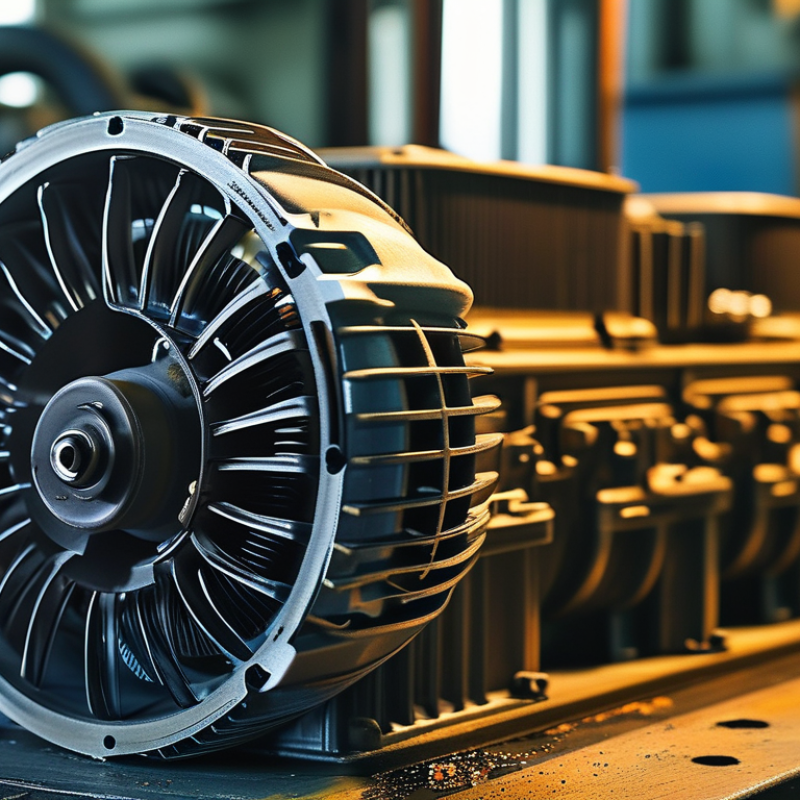
A fan motor is a key component in various types of ventilation systems. It converts electrical energy into mechanical energy to create airflow. According to industry studies, fan motors account for up to 70% of total energy consumption in HVAC systems. Understanding how they function can lead to better energy efficiency and performance.
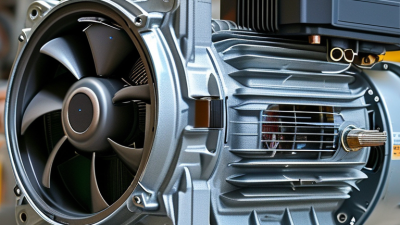
The construction of a fan motor typically includes a stator, rotor, and bearings. When electricity flows through the stator, it generates a magnetic field. This field interacts with the rotor, causing it to spin. The rotational movement then drives the fan blades to circulate air. The efficiency of this process is crucial. For instance, a well-designed fan motor can achieve efficiencies above 85% under optimal conditions. However, flawed installations or estimations of fan sizes can lead to performance drops.
**Tips:** Regular maintenance can enhance the lifespan of fan motors. Check for dust buildup and ensure connections are secure.
Choosing the right motor size is equally important. An oversized motor wastes energy, while an undersized one struggles to perform. Research suggests that incorrectly sized motors can reduce operational efficiency by 20-30%. Always consider airflow requirements before selection.
Key Components of a Fan Motor
A fan motor consists of several key components that work together to generate airflow. The stator is the stationary part of the motor. It contains coils of wire that create a magnetic field when electricity flows through them. This magnetic field is essential for the motor's operation.
The rotor, on the other hand, is the rotating part of the motor. It is attached to the fan blades. As the magnetic field interacts with the rotor, it causes the blades to spin, creating a flow of air. The efficiency of the motor relies heavily on the design of both the stator and rotor.
Another important component is the bearings. They support the rotor and allow it to spin smoothly. These may wear down over time, leading to noise or reduced efficiency. Additionally, the capacitor in some fan motors helps to improve performance at startup. When these components function well together, they ensure effective cooling or ventilation. Understanding these parts can help in recognizing potential issues and addressing them promptly.
How Fan Motors Generate Motion
Fan motors are essential components in various appliances, generating the airflow needed for cooling and ventilation. They convert electrical energy into mechanical energy through the interaction of magnetic fields. The rotor, housed within the stator, spins when the current flows, creating a magnetic field that drives motion.
How fan motors generate motion involves the principles of electromagnetism. When electricity passes through the windings of the motor, it creates a magnetic field. This field interacts with the permanent magnets or electromagnets in the rotor, causing it to turn. The rotation then drives the blades of the fan, producing airflow. The speed and direction of airflow can be modified by controlling the electrical input to the motor, which gives flexibility in performance.
Tips: Regular maintenance of fan motors can enhance their lifespan. Ensure that the motor is clean and free from debris. A clean motor runs more efficiently. Also, keep an eye out for unusual noises, as they can indicate underlying issues. Addressing these early may prevent costly repairs down the line.
Types of Fan Motors and Their Applications
Fan motors are essential components in various devices, from household fans to industrial machines. They come in different types, each serving specific needs. The most common types include AC motors, DC motors, and brushless motors. AC motors are often used in larger appliances due to their durability. In contrast, DC motors are favored for their efficiency and quiet operation, making them ideal for electronics like computers.
According to a market research report, the global fan motor market is projected to grow at a rate of 7% annually. This growth is driven by increasing demand in the HVAC sector and advancements in motor technology. For instance, brushless fan motors offer superior performance and longevity. Their ability to provide consistent airflow without excessive noise makes them suitable for both residential and commercial applications.
Applications vary widely. In the automotive industry, fan motors help regulate engine temperature. In residential settings, they contribute to heating and cooling systems, ensuring comfort. However, the reliability of fan motors can be influenced by factors like inadequate maintenance or improper installation. Users often overlook these issues, leading to common failures that could have been avoided with proper care.
Common Issues and Maintenance Tips for Fan Motors
Fan motors are essential components in a variety of systems, from HVAC units to appliances. Understanding common issues can extend their lifespan. Reports indicate that 50% of fan motor failures result from overheating, often due to dust buildup. Regular cleaning is vital. Neglect can lead to decreased efficiency and increased energy costs.
Another common problem is electrical failure. Worn bearings can cause unusual noises and vibrations. Shift in this situation may allow a motor to fail entirely. Monitoring these signs can prevent sudden breakdowns. A recent industry analysis noted that predictive maintenance can reduce unplanned downtime by up to 25%.
Regular lubrication is vital. Many fan motors require this to function optimally. However, users often overlook this. The right maintenance can improve performance significantly. Neglecting these tasks can lead to costly repairs. Paying attention to small details makes a big difference in longevity and reliability.
What is a Fan Motor and How Does It Work? - Common Issues and Maintenance Tips for Fan Motors
| Dimension |
Description |
| Type |
Induction Motor |
| Power Rating |
0.1 - 5 HP |
| Voltage |
120V, 240V, 480V |
| Speed |
800 - 1800 RPM |
| Common Issues |
Overheating, Noisy Operation, Poor Airflow |
| Maintenance Tips |
Regular Cleaning, Lubrication, Check Wiring |
| Lifespan |
5 - 15 Years |



 Email
Email Whatsapp
 WeChat