

A Fan Motor can look like a small component on a specification sheet, yet it shapes a system’s energy use, noise, airflow, and maintenance needs. The International Energy Agency’s 2011 report, Energy-Efficiency Policy Opportunities for Electric Motor-Driven Systems, estimated that motor-driven systems use about 45% of global electricity. That figure covers more than fans, but it shows why motor efficiency deserves careful attention. The U.S. Department of Energy’s Improving Fan System Performance guide also stresses evaluating the complete fan system, rather than judging a motor in isolation.
“Energy efficiency is the first fuel,” says IEA Executive Director Fatih Birol. His phrase offers a useful lens for comparing suppliers, though it does not replace application-specific testing. For global buyers, this Top 10 overview considers product range, efficiency information, customization, quality systems, service reach, and evidence of export experience. A motor that performs well in a laboratory may still disappoint when voltage, duty cycle, enclosure, or local support differs. Details matter. So do lead times and spare parts.
The manufacturers featured here serve different markets, from compact ventilation units to demanding industrial installations. No ranking can capture every buyer’s reality. Some comparisons remain imperfect because published specifications are not always directly comparable. Treat this list as a practical starting point, then verify certifications, test methods, and operating conditions with each supplier. A careful shortlist can reduce risk before the first sample reaches the factory floor.
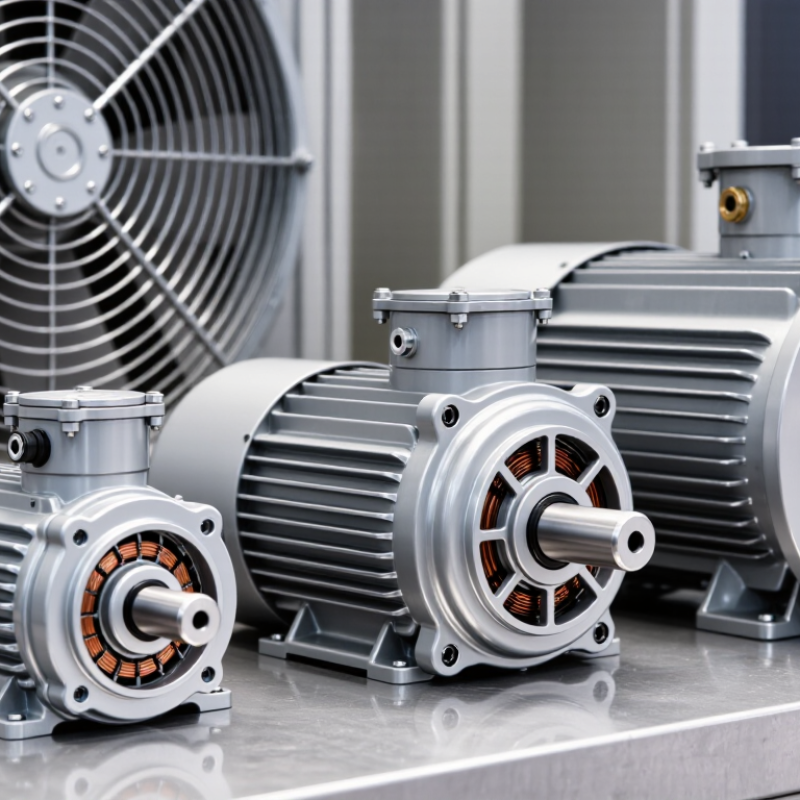
A fan motor converts electrical energy into rotation, driving blades or an impeller to move air. It may sit inside a household appliance, a ventilation unit, or industrial equipment. The motor’s job is not simply to spin. It must deliver suitable airflow and pressure while managing heat, vibration, and energy use. Small details matter: a motor that runs quietly in a bedroom fan may not suit a dusty workshop.
Global buyers compare more than price. Supply voltage, frequency, mounting dimensions, operating temperature, and expected service life can vary by market and application. A motor designed for continuous ventilation may need different bearings and thermal protection from one used intermittently. Specifications are useful, but they do not tell the whole story. Real operating conditions can be messy.
Tips: Check the equipment’s airflow and pressure requirements before choosing a motor. Confirm the available power supply and mounting space. Ask for test data, insulation details, and replacement-part availability. A sample run can reveal noise or heat issues that a datasheet misses.
Manufacturers serving international markets often adapt designs, documentation, and production planning to buyer needs. Buyers should also consider shipping lead times and technical support across time zones. A low-cost option can become expensive if it is difficult to install or maintain. There is no perfect specification; the right choice depends on where and how the fan will operate.
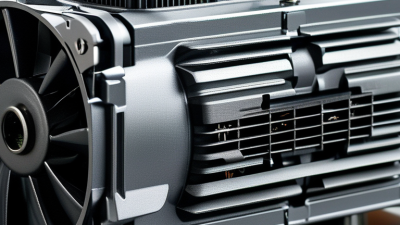
For global buyers, choosing a fan motor manufacturer starts with matching the motor to real operating conditions, not a catalog headline. Check rated voltage, speed range, torque, insulation class, and duty cycle against the equipment’s actual load. Request test data at the intended operating point; a peak-efficiency figure alone may hide weaker performance at everyday speeds. Noise and vibration matter too. A motor that seems quiet in an open workshop may sound distracting inside a compact appliance.
Production consistency deserves equal attention. Ask for documented inspection steps, batch traceability, and sample reports covering winding resistance, temperature rise, and starting performance. If a supplier cannot explain how it manages variation, treat that as a gap. Review lead times, spare-part support, packaging, and defect-reporting procedures. Small details count. A clear drawing revision and a protected shaft can prevent delays after shipment. Compare total cost over the expected service life, including energy use and maintenance, rather than choosing by unit price alone. Factory audits and certificates do not guarantee every shipment will match its sample. Verify claims with repeat testing when risk or order volume justifies it, and keep acceptance criteria in writing. A missed detail can be expensive.
The ten profiles represent different strengths among established fan motor manufacturers. Profile 1 focuses on standard AC motors for ventilation equipment, while Profile 2 offers compact DC designs for appliances. Profile 3 emphasizes energy-efficient electronically commutated motors. Profile 4 serves HVAC makers with models suited to continuous operation. Profile 5 provides customizable industrial motors for demanding airflow systems. Details matter.
Profile 6 specializes in small motors for household products. Profile 7 supports commercial cooling systems with robust, serviceable designs. Profile 8 develops motors for vehicle ventilation, where vibration resistance is important. Profile 9 offers a broad catalog for distributors seeking readily available replacements. Profile 10 concentrates on tailored engineering and application support. These descriptions are broad, not verified rankings; actual capabilities vary by model and production site. That distinction is easy to overlook.
Tips: Compare rated voltage, speed, noise, efficiency, and operating temperature using the same test conditions. Ask for current datasheets, warranty terms, and sample units. A polished catalog helps, but real application testing can reveal fit issues before bulk purchasing.
Anonymized, technology-based supplier profiles for comparison—not a verified company ranking. Product types and applications describe common industry uses; confirm each supplier’s specifications, certifications, and production capabilities directly.
| Profile | Motor Focus | Common Fan Formats | Typical Applications | Buyer Evaluation Points |
|---|---|---|---|---|
| Supplier Profile 01 | Shaded-pole AC motors | Small axial fans and compact blowers | Appliance cooling, small ventilation units, and light-duty air movement | Check rated voltage and frequency, airflow and noise requirements, duty cycle, and the trade-off between simple construction and lower efficiency. |
| Supplier Profile 02 | Permanent split capacitor (PSC) AC motors | Direct-drive axial and centrifugal fans | HVAC equipment, air handlers, and refrigeration systems | Compare operating speed, capacitor requirements, insulation class, thermal protection, and compatibility with the intended control method. |
| Supplier Profile 03 | Three-phase induction motors | Industrial axial fans and centrifugal blowers | Factory ventilation, process-air systems, and commercial building services | Verify supply voltage and frequency, motor efficiency data, enclosure and ingress-protection requirements, mounting, and any variable-frequency-drive limits. |
| Supplier Profile 04 | Electronically commutated (EC) and brushless DC motors | Axial, centrifugal, and plug fans | HVAC, data-center cooling, and energy-conscious ventilation systems | Review input-power range, speed-control interface, control signal options, electrical compatibility, and performance across the specified operating range. |
| Supplier Profile 05 | External-rotor motors | Compact direct-drive axial fans and centrifugal impellers | Condenser units, air curtains, and ventilation equipment | Check impeller and motor integration, mounting dimensions, balance, operating temperature, and whether the assembly is supplied with or without the fan wheel. |
| Supplier Profile 06 | Internal-rotor brushless DC motors | Compact axial fans and small centrifugal blowers | Electronics cooling, medical equipment, and compact appliances | Assess size and weight, speed range, controller availability, acoustic performance, and the supplier’s test data at the required operating point. |
| Supplier Profile 07 | Refrigeration and condenser fan motors | Axial fans for outdoor and heat-rejection units | Commercial refrigeration, condensers, and heat-pump equipment | Confirm ambient-temperature limits, moisture and corrosion protection, rotation direction, mounting pattern, and suitability for the equipment’s duty cycle. |
| Supplier Profile 08 | High-temperature fan motor designs | Axial and centrifugal fans for elevated-temperature air streams | Ovens, dryers, and industrial exhaust applications | Request documented temperature ratings for the motor and insulation system, thermal-protection details, bearing-life information, and application-specific test results. |
| Supplier Profile 09 | Low-noise, precision fan motor assemblies | Small axial fans and compact blowers | Office equipment, instruments, and noise-sensitive indoor products | Compare sound measurements under matching test conditions, vibration data, bearing type, speed stability, and sample performance in the final enclosure. |
| Supplier Profile 10 | Application-specific and OEM motor development | Custom axial, centrifugal, and integrated fan assemblies | Specialized HVAC, appliances, and industrial equipment | Evaluate design-support scope, prototype and validation process, drawings and change control, traceability, production capacity, and applicable compliance documentation. |
Comparing ten fan motor manufacturers is less about naming a winner than matching designs to operating conditions. Some specialize in brushless DC motors, where electronic control can improve speed adjustment and reduce energy use. Others offer robust AC designs suited to simpler, steady-duty equipment. Check more than rated efficiency: bearing type, insulation class, vibration control, and heat dissipation affect service life. Ask for test conditions, too. A quiet motor matters. Noise measured in a lab may not reflect performance inside a metal housing or beside a duct.
Market reach changes the comparison. A manufacturer with broad distribution may ship standard units quickly, while a regional supplier may offer closer engineering support or faster custom changes. Verify local spare-parts availability, documentation, and response times before treating a global footprint as an advantage. Product certifications and electrical specifications should match the destination market; buyers should confirm the exact model, not rely on a general catalog statement. A neat comparison can mislead. Lead times, minimum order quantities, and control-system compatibility are easy to overlook, yet they often shape the real cost of ownership. Compare sample data with the actual fan assembly, and record any assumptions that still need checking.
Selecting a fan motor supplier starts with the duty point, not a catalog headline. The IEA’s 2011 report, Energy-Efficiency Policy Opportunities for Electric Motor-Driven Systems, estimates these systems use about 46% of global electricity. The U.S. Department of Energy’s 2014 sourcebook puts motor-driven systems at roughly 68% of U.S. manufacturing electricity. Those figures make efficiency claims worth checking at the actual speed, airflow, and static pressure. Ask for test curves, input-power data, temperature-rise results, and noise readings under stated conditions. Details matter.
Compare samples using the same test setup, then inspect winding insulation, bearing type, balancing, and assembly records. For export projects, request traceable batch numbers, documented quality checks, and clear warranty boundaries. A factory audit can reveal whether incoming materials, rotor balance, and final inspection are consistently recorded. It can also reveal gaps. Require a pilot run before placing a large order, especially when voltage, ambient heat, or dust levels differ from sample-test conditions. Verify applicable safety and efficiency certificates with the issuing body, not just a scanned logo. A low quote may hide shorter testing or weaker documentation. Not always. Score lifecycle energy use, failure response, lead time, and spare-part access alongside unit price; no single metric settles the choice.