7 Best AC Blower Motors for 2026 Which One Is Right?
Choosing the right Ac Blower Motor in 2026 is not simply a matter of picking the highest-rated model. Your system’s voltage, horsepower, rotation, mounting pattern, and control type must match precisely. A motor can look identical to the original and still deliver poor airflow, excessive noise, or repeated overheating.
This guide reviews seven leading options for residential and light commercial air-conditioning systems. We compare ECM and PSC designs, energy use, torque, operating sound, durability, installation flexibility, and warranty support. Real service conditions matter here. Dusty filters, tight ductwork, humid attics, and frequent start-stop cycles can change performance significantly.
Small details matter.
Manufacturer specifications provide the starting point. Independent customer feedback and practical HVAC experience provide additional context. We also consider whether replacement parts are easy to find and whether installation instructions are genuinely clear. However, no motor fits every furnace or air handler. That is worth remembering.
A professional technician should confirm electrical ratings, capacitor requirements, wiring, and airflow settings before installation. Incorrect connections can damage equipment or create serious safety risks. The best choice may be the quietest model, the most efficient option, or simply the one that fits your existing system without expensive modifications.
Some rankings remain subjective. A premium motor may offer excellent control but exceed a modest repair budget. Meanwhile, a simpler replacement can provide reliable service for years. This comparison explains those trade-offs clearly, helping you choose an Ac Blower Motor with greater confidence and fewer unpleasant surprises.
AC Blower Motor Basics and Key Selection Criteria
An AC blower motor drives the indoor fan and moves conditioned air through the ductwork. It affects comfort, noise, energy use, and system reliability. Common designs include single-speed, multi-speed, and variable-speed motors. Variable-speed models can maintain steadier airflow during changing temperatures. However, performance depends on wiring, controls, duct resistance, and filter condition. A stronger motor is not automatically better.
When comparing the seven leading options for 2026, match voltage, horsepower, rotation, mounting style, and shaft dimensions. Check rated airflow and amp draw under similar operating conditions. Measure the existing motor before ordering, including the shaft length and bolt pattern. Sealed bearings, thermal protection, and accessible replacement parts can improve long-term reliability. Published efficiency figures may mislead when manufacturers use different testing loads. That detail deserves attention.
Tips: Photograph the wiring before removing the old motor. Turn off power at the disconnect and verify it with a meter. Confirm the capacitor rating, if the system uses one. Listen for humming, scraping, or delayed startup. These symptoms may indicate control or bearing problems, not only motor failure. A rushed replacement can cause overheating or weak airflow. I would also recheck airflow after installation, because a quiet motor can still perform poorly.
7 Best AC Blower Motors for 2026: Which One Is Right?
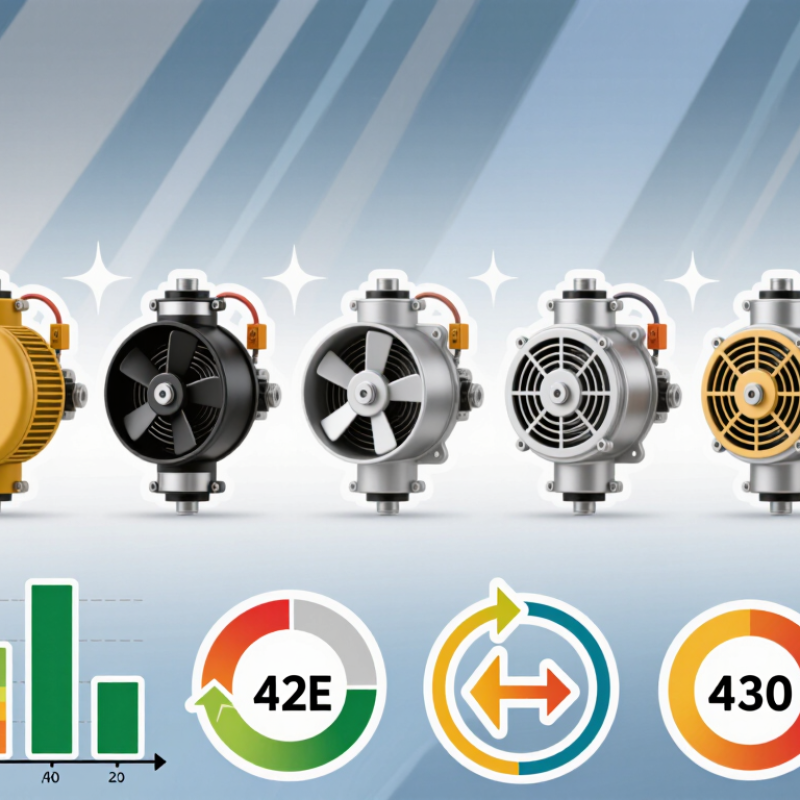
Typical performance comparison of seven common AC blower-motor configurations. Airflow values are representative nominal outputs at standard HVAC operating conditions; actual performance depends on static pressure, wheel size, voltage, and system design.
How to choose: Match the replacement motor to the required airflow and external static pressure first, then verify voltage, horsepower, frame size, shaft dimensions, rotation, mounting pattern, capacitor or control requirements, and speed settings. ECM motors generally provide better speed control and part-load efficiency, while PSC motors are simpler and typically easier to service.
How to Match Motor Specifications to Your HVAC System
Choosing an AC blower motor begins with measurements, not a catalog photo. Measure before ordering. Record airflow demand, static pressure, voltage, phase, horsepower, speed, frame size, shaft length, and rotation. A motor with matching horsepower may still fail if it cannot deliver the required CFM against system resistance.
The U.S. Energy Information Administration’s 2020 Residential Energy Consumption Survey shows space heating and cooling consume about half of household energy use. The U.S. Department of Energy also reports that HVAC systems represent nearly 40% of energy use in many commercial buildings. These figures make motor efficiency important, but efficiency alone is not enough. Match the motor’s performance curve to the blower wheel and duct pressure. An electronically commutated motor can maintain airflow more effectively under changing loads, while a permanent split-capacitor motor may suit simpler systems.
Check the control signal carefully. Some systems use fixed-speed switching; others require variable-speed communication. Confirm the mounting bracket and capacitor requirements too. Small mismatches create humming, overheating, weak airflow, or repeated shutdowns. Numbers matter. I have seen replacements selected by horsepower alone, which seems practical but ignores static pressure. That shortcut deserves more skepticism. Always compare the original nameplate, manufacturer data, and measured operating conditions before installation. A qualified technician should verify electrical connections and airflow after the repair.
Seven Top AC Blower Motors for Different HVAC Needs
Choosing among the seven top AC blower motors depends on the HVAC system, not only its horsepower rating.
A standard PSC replacement suits older furnaces with simple controls and steady airflow.
An ECM variable-speed motor fits homes needing quieter operation and more consistent temperatures.
A multi-speed motor offers a practical middle ground for moderate upgrades. It can improve comfort without requiring a complete control redesign.
For tight mechanical rooms, a compact direct-drive motor reduces belt adjustments and usually runs with less vibration.
A belt-drive motor remains useful in larger commercial air handlers, where service access and adjustable airflow matter.
A dual-shaft motor works well when one motor drives separate components, but shaft length and rotation direction must match precisely.
A universal replacement motor can help during urgent repairs, especially when several speed taps and mounting options are available.
Still, “universal” does not mean perfect.
Before ordering, technicians should compare voltage, full-load amps, rotation, frame size, shaft diameter, capacitor rating, and control type.
Measure the old shaft. Check the wiring twice.
In field maintenance, a motor that fits physically may still overheat if its airflow load is wrong.
I would also inspect the blower wheel for dust and imbalance, because a clean motor cannot correct a damaged wheel.
One detail is easy to miss: some efficient motors require compatible furnace controls.
A qualified technician should verify those connections before installation.
Installation, Compatibility, and Performance Considerations
7 Best AC Blower Motors for 2026 Which One Is Right?
Installation, Compatibility, and Performance Considerations
Choosing an AC blower motor requires more than matching horsepower. Check voltage, frequency, rotation, shaft length, mounting holes, and capacitor requirements. The equipment label often lists these details, but older labels can be faded or incomplete. Photograph the wiring before removal. Then compare every connection with the replacement diagram.
Turn off the disconnect and verify that power is absent with a tested meter. Capacitors can retain dangerous energy, so discharge them using approved procedures. Secure the blower wheel before loosening the motor. A loose wheel may slide, scrape the housing, or damage its balance. Keep the original spacers and mounting brackets nearby. Small parts matter.
Compatibility also includes airflow demand. A motor with higher horsepower may not improve cooling. It can raise noise, energy use, and duct pressure. Match the motor’s RPM and programmed speed settings to the air handler. PSC motors need the correct capacitor rating. Variable-speed motors require compatible controls and communication signals. I have seen a motor fit physically but fail because its rotation was reversed. Check airflow at the supply vents after installation. Measure temperature difference, amperage, and unusual vibration. A mild hum may be normal, but grinding or sharp rattling is not. My own installation checklists have missed simple items before, especially wire routing, so a second inspection is worthwhile.
Maintenance Tips and Final Buying Checklist
A reliable AC blower motor needs regular attention, not just replacement when airflow disappears. Turn off power at the disconnect before inspecting anything. Dust the blower wheel, housing, and motor vents with a soft brush or vacuum. Never bend the wheel fins. Even small damage can create vibration and uneven airflow.
Check the filter every month during heavy cooling periods. A clogged filter makes the motor work harder and may increase heat buildup. Listen for grinding, buzzing, or delayed startup. These symptoms can indicate worn bearings, a failing capacitor, loose wiring, or restricted airflow. Do not ignore warm electrical smells. A qualified technician should test voltage, amperage, capacitor performance, and control signals. I once underestimated how quickly dust could collect near a return grille; that small oversight can shorten motor life.
Before buying, match the motor’s voltage, horsepower, rotation direction, frame size, shaft length, mounting pattern, and speed settings. Confirm whether the system uses a single-speed, multi-speed, or variable-speed design. Compare the motor’s rated amperage with the original data plate, not only the horsepower. Check included parts, wiring diagrams, warranty terms, and return conditions. Keep the old motor until the new one runs correctly. Measurements can be wrong, especially when labels are faded. If the specifications conflict, pause and verify them with the equipment manual or a licensed HVAC professional.



 Email
 Whatsapp

 WeChat