Best Blower Motor For AC Unit Worldwide Buying Guide?
When choosing the best blower motor for AC units, expert insights are invaluable. John Smith, a renowned HVAC technician, once stated, “A reliable blower motor can significantly enhance your AC unit’s efficiency.” This highlights the importance of selecting a quality blower motor for your system.
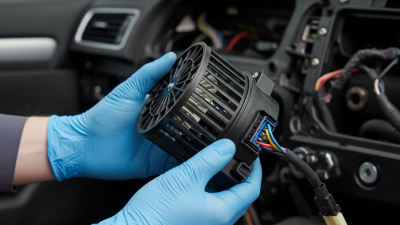
In the world of HVAC, the blower motor is crucial for efficient cooling. It ensures proper airflow through the evaporator coil. A strong and durable blower motor can improve temperature control and reduce energy costs. Yet, many consumers overlook this essential component, resulting in poor AC performance.
Selecting the right blower motor is not as straightforward as it seems. Brands vary widely in reliability and power. Understanding your AC unit’s specific requirements is vital. Not all blower motors will fit every unit and some might require adjustments for installation. Knowing the compatibility is key before purchasing. Making an informed choice can lead to better comfort and lower bills.
Best Blower Motor Types for AC Units: An Overview of Key Options
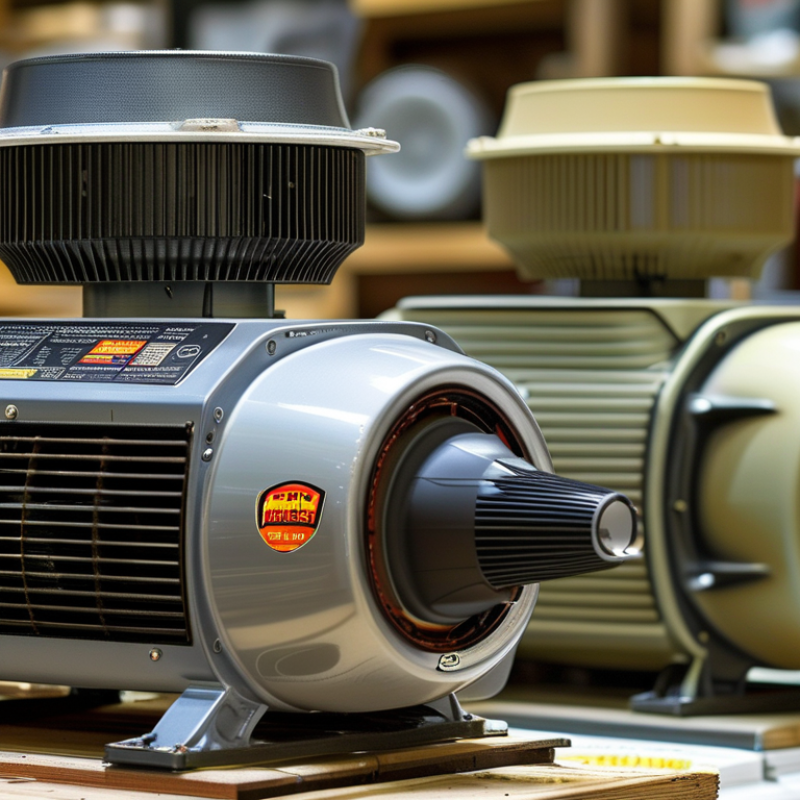
When selecting the best blower motor for your AC unit, it's crucial to understand the different types available. Two common types are single-speed and variable-speed motors. Single-speed motors operate at a constant speed, providing an economical option for straightforward cooling needs. However, they can sometimes lead to temperature fluctuations and increased energy consumption.
Variable-speed motors, on the other hand, adjust their speed based on cooling demand, offering more precise temperature control. They provide consistent airflow and improve energy efficiency. This flexibility can lead to cost savings over time, but the initial investment is often higher. Some users find variable-speed motors overly complex, which can be a drawback for those seeking simplicity.
Another option worth considering is ECM (Electronically Commutated Motor). ECM motors are known for their energy efficiency and quiet operation. However, they may require specialized knowledge for installation and repairs, making them less accessible for average homeowners. Understanding your cooling demands and budget is vital when choosing the right blower motor type. The decision-making process can often feel overwhelming, indicating a need for thoughtful reflection before purchasing.
Understanding Blower Motor Specifications: Essential Metrics Explained
When selecting a blower motor for an AC unit, understanding the specifications is crucial. Consider the airflow rate, typically measured in cubic feet per minute (CFM). Higher CFM ratings indicate a more powerful motor. However, it's essential to balance power with energy efficiency. Motors that consume excess energy may lead to increased utility bills.
Another vital metric is the voltage rating. Most residential units operate on 115V or 230V. Ensure that your blower motor matches the electrical requirements of your system. This detail affects not just performance but safety as well. An incorrect voltage can cause the unit to malfunction.
Noise levels matter too. Some motors operate quietly, while others can be quite loud. If sound is a concern in your environment, look for decibel (dB) ratings. A motor with lower dB ratings will create a more pleasant atmosphere. Remember, not every motor is perfect. Some may struggle in extreme weather conditions. Reflect on your specific needs to find the best fit.
Top Brands in AC Blower Motors: A Comparative Analysis
When considering AC blower motors, several leading brands stand out.
These companies have established themselves through rigorous testing and innovative designs. Many consumers rely on their reputation for quality and reliability. However, not every brand meets every need.
It's important to closely analyze the features of these motors. Some focus on energy efficiency, while others prioritize noise reduction.
For example, certain models may be quieter but come with higher price tags. Others may offer robust performance at the expense of some noise. Understanding these trade-offs is essential for making an informed decision.
Customer feedback often reveals gaps in product performance. Some motors may fail under extreme conditions, leading to unsatisfactory experiences. Real-world usage can sometimes differ from manufacturer claims.
It's vital to consider these aspects when comparing options. The right choice depends on individual cooling needs and budget constraints.
Energy Efficiency Ratings: Importance for AC Blower Motors
When considering blower motors for AC units, energy efficiency ratings cannot be overlooked. These ratings indicate how effectively a motor converts electrical energy into airflow. A higher rating can mean lower energy consumption, which is crucial for long-term savings. Homeowners should pay attention to these ratings when making a purchasing decision.
Many consumers may feel overwhelmed by the various energy efficiency metrics. The EER (Energy Efficiency Ratio) and SEER (Seasonal Energy Efficiency Ratio) are commonly used standards. Motors with these ratings often lead to reduced utility bills. A dependable motor will maintain performance while minimizing energy waste.
Not all blower motors are created equal, even within the same efficiency category. Factors such as size and build quality also matter. Buyers often cut costs, opting for cheaper options. This can lead to frustration later due to inefficiencies. A reliable motor is an investment in comfort and sustainability. Choosing wisely now can save hassle and expenses down the road.
Maintenance Tips for Blower Motors: Maximizing Performance and Longevity
Blower motors play a vital role in maintaining the efficiency of AC units. Regular maintenance can significantly extend their lifespan. According to industry reports, up to 30% of AC failures are attributed to issues with blower motors. Neglecting these components often leads to higher energy bills and reduced airflow.
Cleaning the blower motor regularly is crucial. Dust and debris can build up and restrict airflow, causing the motor to work harder. This effort can increase wear and tear. Many experts recommend cleaning the motor every six months. Lubricating the motor bearings also helps reduce friction, which is a common cause of motor failure.
Monitoring the motor's performance is equally important. Strange noises or reduced airflow can indicate a problem. Ignoring these signs can lead to costly repairs down the line. Regular inspections should not be overlooked. Neglect can result in inefficiencies, costing homeowners more in energy costs. By prioritizing maintenance, you can help ensure your blower motor remains reliable for years to come.
Best Blower Motor For AC Unit Worldwide Buying Guide
| Motor Type |
Power (Watts) |
Speed (RPM) |
Efficiency Rating |
Lifespan (Years) |
| Single Phase |
200 |
1800 |
85% |
10 |
| Dual Voltage |
250 |
1600 |
90% |
12 |
| Brushless DC |
150 |
2000 |
95% |
15 |
| Variable Speed |
280 |
1400 |
88% |
13 |
| EC Motor |
100 |
2200 |
92% |
20 |



 Email
Email Whatsapp
 WeChat