Why Choose the Right Ac Blower Motor for Your Needs?
Choosing the right AC blower motor can significantly impact your home’s comfort and energy efficiency. According to John Smith, an HVAC industry expert, “The right blower motor makes all the difference in performance and longevity.” Selecting the appropriate AC blower motor is crucial, as it affects cooling efficiency, energy consumption, and overall system reliability.
Many homeowners overlook the importance of blower motors. They often assume all models perform equally, but that’s a common misconception. An inadequate AC blower motor can not only reduce airflow but also strain your system. This may lead to frequent repairs or premature system failure. Investing time in understanding specifications and compatibility is essential.
In a world where energy-saving technologies thrive, the right AC blower motor can enhance your HVAC system. It’s not just about buying a product; it’s about making an informed choice. The wrong motor could result in inefficiency and increased bills. Navigating these choices can feel overwhelming but is necessary for sustained comfort and efficiency in your home.
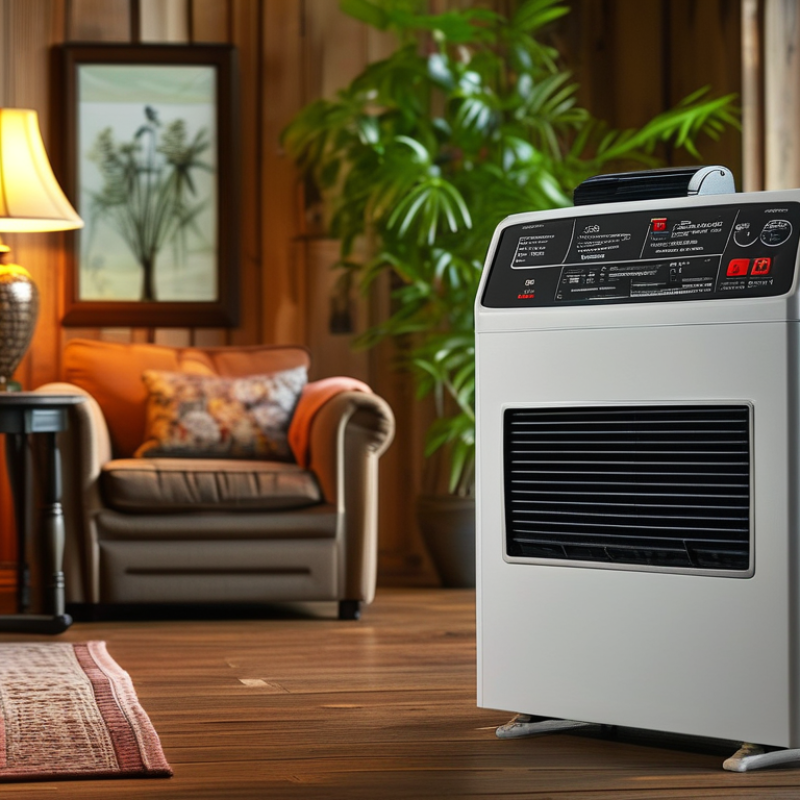
Understand the Importance of AC Blower Motors in HVAC Systems
AC blower motors play a crucial role in HVAC systems. They ensure the flow of air throughout your home. Without a reliable blower motor, heating and cooling become inefficient. This inefficiency can lead to uncomfortable indoor temperatures. Over time, a poorly functioning motor can increase energy costs significantly.
Choosing the right blower motor is essential. Different motors offer various performance levels. A mismatch could cause insufficient airflow or excessive noise. Understanding the specifications is vital. Factors like size, power, and efficiency affect overall performance. Many overlook these details, leading to more frequent repairs or replacements.
Regular maintenance also matters. Dust and debris can accumulate, impacting performance. A neglected motor may lead to premature failure. Undertaking routine checks can help identify potential issues. This proactive approach ensures the HVAC system operates smoothly, enhancing comfort and reliability.
Identify Your Specific Heating and Cooling Needs
Choosing the right AC blower motor is crucial for your heating and cooling needs. When assessing your requirements, consider room size, climate, and the existing HVAC system. A properly sized blower motor operates more efficiently and can enhance overall comfort.
Think about how often you use your heating and cooling systems. If you rely heavily on air conditioning in summer, a powerful blower may be necessary. Conversely, in milder climates, a standard motor could suffice. Reflect on your current setup and identify any issues. Are there hot or cold spots in your home? This might reveal a lack of air circulation.
**Tip:** Always check the motor's airflow rating. This will help you determine if it meets your specific needs.
Keep in mind, the right motor isn’t just about power. Efficiency ratings matter, too. A more efficient motor can lead to lower energy bills. Consider how long you plan to use your system. Short-term solutions may lead to more significant issues down the line.
**Tip:** Consult with an HVAC specialist to find the motor that suits your habits and environment. Their expertise can save you time and money.
Explore Different Types of AC Blower Motors Available
When selecting an AC blower motor, understanding the various types is crucial. DC motors, known for their efficiency, provide quieter operation. They are suitable for energy-conscious users. On the other hand, AC induction motors are robust and versatile. They perform well in diverse environments, making them a popular choice.
Make sure to consider your specific needs. For instance, think about the size of your space and the desired airflow. Choosing a higher horsepower motor may suit larger areas, while smaller spaces require less power. Efficiency ratings can also impact long-term energy costs.
Tips: Look at installation requirements. Some motors need more complex setups. Installation complexity can lead to extra costs. Sometimes, this makes users rethink their choices. Do not overlook the importance of compatibility with your existing system. Investing time in research pays off significantly.
Assess Compatibility with Existing HVAC Equipment
When selecting an AC blower motor, compatibility with existing HVAC equipment is essential. The right motor ensures optimal performance and energy efficiency. According to industry reports, approximately 30% of HVAC system failures stem from incompatible components. Therefore, understanding specifications, such as voltage and horsepower, is crucial.
Consider the existing system's requirements. Look for a blower motor that matches the airflow capacity of your HVAC unit. Data suggests that a matching capacity can improve efficiency by 10-15%. In contrast, an ill-fitted motor may lead to increased energy costs and a higher risk of breakdowns.
Tip: Always cross-check specifications of the new motor with your system’s manual.
It’s vital to account for age and condition of the rest of your HVAC system. An older system may not support newer, more efficient motors without upgrades. Ignoring this could lead to inconsistent performance or even complete system failure.
Tip: Consult with a professional to evaluate your HVAC setup before purchasing a blower motor.
Evaluate Energy Efficiency and Performance Ratings of Motors
Choosing the right AC blower motor involves understanding its energy efficiency and performance ratings. These factors greatly impact your energy consumption. An efficient motor can significantly reduce your electricity bills. Look for models with high Energy Star ratings or similar certifications. These are not just marketing gimmicks but reflect a motor's ability to save energy and perform well over time.
Performance ratings take into account airflow and static pressure. A motor that doesn’t meet your system's airflow requirements will underperform. Make sure to assess cubic feet per minute (CFM) ratings. If the CFM is too low, your home may feel uncomfortable, leading to potential dissatisfaction. This might seem like a minor detail, but it’s crucial for effective climate control.
Another aspect to consider is the motor’s longevity. More efficient models tend to last longer, which can save you money in replacements. A cheaper motor with low ratings may seem appealing initially. However, the long-term costs often outweigh the benefits. Reflect on your priorities and think about the true cost of ownership as you make your choice.
Why Choose the Right Ac Blower Motor for Your Needs? - Evaluate Energy Efficiency and Performance Ratings of Motors
| Motor Model |
Power (HP) |
Energy Efficiency Rating |
Performance Rating (CFM) |
Noise Level (dB) |
| Model A |
1.5 |
15 SEER |
600 |
50 |
| Model B |
2.0 |
16 SEER |
800 |
52 |
| Model C |
2.5 |
14 SEER |
900 |
55 |
| Model D |
3.0 |
18 SEER |
950 |
49 |



 Email
Email Whatsapp
 WeChat