2026 How to Choose the Best Furnace Blower Motor for Your Needs?
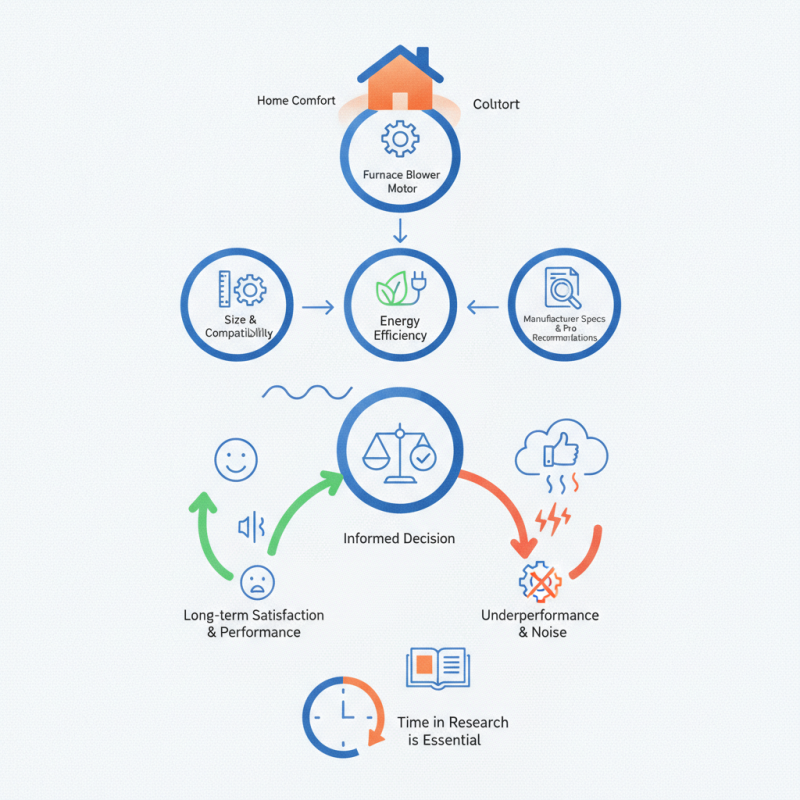
When selecting a Furnace Blower Motor, understanding your specific needs is crucial. This component plays a vital role in your heating system's efficiency. A suitable motor ensures consistent airflow, enhancing comfort in your home. However, the market is filled with options, which can be overwhelming.
Choosing the right model involves considering several factors. The motor's size, compatibility, and energy efficiency should be top priorities. Not every motor will suit your furnace; mismatches can lead to inefficiencies. It’s essential to consult manufacturer specifications and professional recommendations when making a choice.
While you may have preferences, personal experiences can vary dramatically. Some users find their selected blower motor underperforms or is louder than expected. It's a reminder that a well-informed decision is key. Balancing features with practical needs will lead to better outcomes. In the end, investing time in research on Furnace Blower Motors is essential for long-term satisfaction and performance.
Understanding the Role of a Furnace Blower Motor in Heating Systems
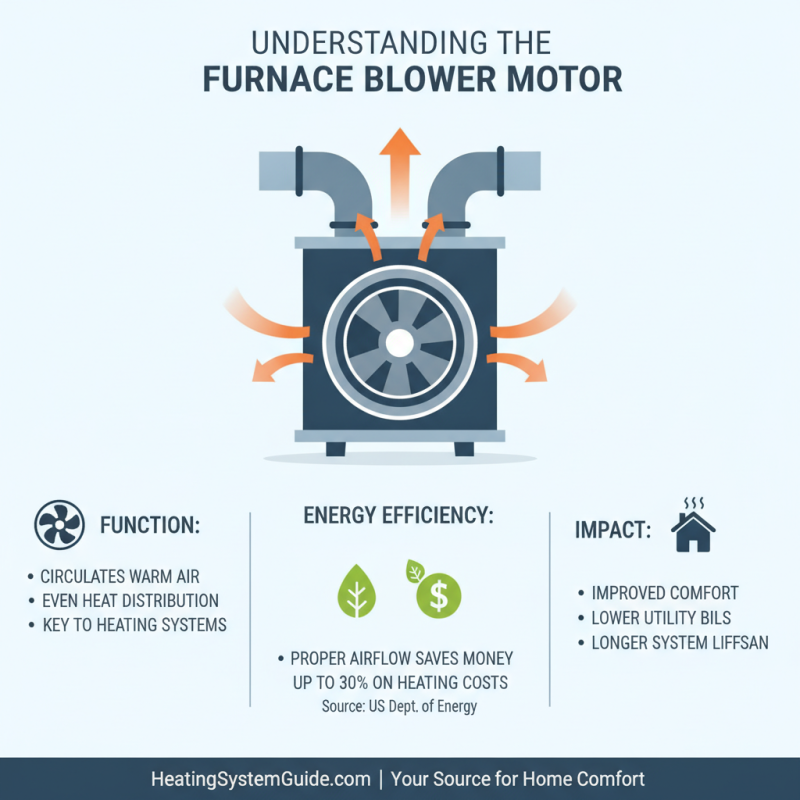
A furnace blower motor plays a crucial role in heating systems. It circulates warm air throughout a space, ensuring an even distribution of heat. This motor significantly affects energy efficiency. According to the U.S. Department of Energy, proper airflow can save households up to 30% on heating costs.
Most systems use two types of motors: PSC (Permanent Split Capacitor) and ECM (Electronically Commutated Motor). While PSC motors are less expensive upfront, ECM motors provide enhanced efficiency. They adjust their speed based on the heating demand, optimizing energy usage and comfort levels in the home. Studies from HVAC industry leaders indicate that ECM motors may reduce energy consumption by up to 75% compared to traditional motors.
Selecting the right motor is not always straightforward. Factors like the size of your home, insulation quality, and system compatibility are key. Undersized motors can lead to inadequate heating, while oversized motors can waste energy. Understanding these details can prevent costly mistakes. Seeking guidance from seasoned HVAC professionals can provide personalized insight tailored to your needs. Balancing efficiency, cost, and capacity is essential for optimal performance.
Types of Furnace Blower Motors: Key Differences and Applications
Choosing the right furnace blower motor is crucial for optimal heating efficiency. There are different types of motors available, each with its unique features and benefits. Understanding these options is essential when making a decision.
Direct drive motors are common in residential settings. They are compact and provide reliable performance. However, they may have limitations in terms of speed control. Belt-driven motors offer more flexibility. They allow for variable speed changes, which can enhance comfort but require more maintenance.
EC motors, or electronically commutated motors, stand out for their energy efficiency. These motors adjust speed automatically, matching the heating demands of the space. This can lead to significant energy savings over time. On the downside, they may come with a higher initial cost. Different applications require different motors, so careful consideration is needed. Assess your heating needs and choose accordingly.
2026 How to Choose the Best Furnace Blower Motor for Your Needs?
| Type of Blower Motor |
Key Differences |
Applications |
Efficiency Rating |
| PSC (Permanent Split Capacitor) |
Simple construction, provides constant speed, less expensive |
Residential heating systems, smaller furnaces |
Moderate |
| ECM (Electronically Commutated Motor) |
Variable speeds, higher efficiency, more complex circuitry |
Commercial applications, larger HVAC systems |
High |
| Induction Motor |
Robust, generally high starting torque |
Industrial applications, heavy-duty systems |
Moderate to High |
| Single-phase Motors |
Suitable for lower power needs, simplifies construction |
Home HVAC systems, smaller heating appliances |
Low to Moderate |
Factors to Consider When Selecting a Furnace Blower Motor
When selecting a furnace blower motor, several key factors are essential. The motor's size and power rating should match your heating system's requirements. An improperly sized motor can lead to inefficiency. According to the U.S. Department of Energy, mismatched motors can reduce system efficiency by 30%. Understanding your HVAC system is crucial for making the right choice.
Consider the motor type as well. There are PSC (Permanent Split Capacitor) and ECM (Electronically Commutated Motor) models. ECM motors tend to be more efficient, offering better energy savings over time. They adjust their speed based on the system's needs, providing consistent airflow. In contrast, PSC motors usually run at a fixed speed, which may lead to higher energy costs.
Tip: Always check the energy efficiency rating. An efficient motor can save you money on utilities. Regularly inspect and maintain your blower motor. Neglect can lead to reduced lifespan and performance. Make careful notes on the motor's specs to avoid confusion later. These small details can significantly impact your overall heating effectiveness.
Energy Efficiency Ratings and Their Importance for Blower Motors
When choosing a furnace blower motor, energy efficiency ratings are crucial. These ratings indicate how much energy the motor consumes compared to its output. A higher rating often leads to lower utility bills, making it an important factor to consider. Many consumers overlook this metric, focusing instead on initial costs. However, energy efficiency can impact long-term savings significantly.
Understanding various efficiency ratings is essential. The Motor Efficiency (ME) rating and the Energy Star certification provide insight into performance. A model with a high ME rating will typically run more smoothly and quietly. This ultimately enhances comfort in your space. However, not all high-efficiency models are compatible with every furnace. It's vital to check compatibility before making a decision.
Investing in a more efficient blower motor may seem daunting. The upfront cost can be higher than standard models. Reflect on your heating needs and budget. Sometimes, a middle-ground option may be ideal. Balancing efficiency with affordability is not always straightforward, but it's worth the effort. Ultimately, informed choices lead to greater satisfaction and comfort at home.
Tips for Installation and Maintenance of Furnace Blower Motors
Installing and maintaining a furnace blower motor is crucial for comfort and efficiency. Start by ensuring your workspace is clean. A dirty environment can lead to contamination of the motor. Make sure to wear protective gear. Safety glasses and gloves can prevent accidents during the installation process.
Properly connecting the wires is essential for functionality. Follow the correct color coding of wires. If unsure, consult the manual or seek professional advice. A common issue is improper connection, which can damage the motor. Additionally, use a multimeter to test the voltage before turning on the system. This step ensures that electrical connections are safe.
Regular maintenance is key for longevity. Dust and debris can accumulate in and around the motor. Schedule monthly cleanings, focusing on the fan blades and motor compartment. Listen for unusual noises during operation; grinding or squealing can be signs of trouble. It’s wise to keep an eye on performance over time. If you notice decreased airflow or increased noise, consider checking or replacing the motor.
2026 Furnace Blower Motor Efficiency Ratings



 Email
Email Whatsapp
 WeChat