Why Choose the Right Fan Motor for Your Business Needs?
Selecting the right fan motor is crucial for various business operations. In a recent industry report by Fact.MR, it is noted that the global fan motor market is projected to reach USD 8 billion by 2027. This highlights the importance of making informed choices in this sector. Experts suggest that selecting the optimum fan motor can improve efficiency and reduce operational costs significantly.
"Choosing the right fan motor can make a difference between a smooth operation and constant issues," says Dr. James Carter, a renowned HVAC expert. His insights emphasize the need for businesses to carefully evaluate their motor choices. Reliability and energy efficiency are key factors that can affect long-term performance and sustainability.
The industry may face challenges in understanding motor specifications and technologies. Businesses often struggle to identify the best solutions for their unique requirements. This makes guidance from experts essential. As industries continue to evolve, informed decisions about fan motors become increasingly important.
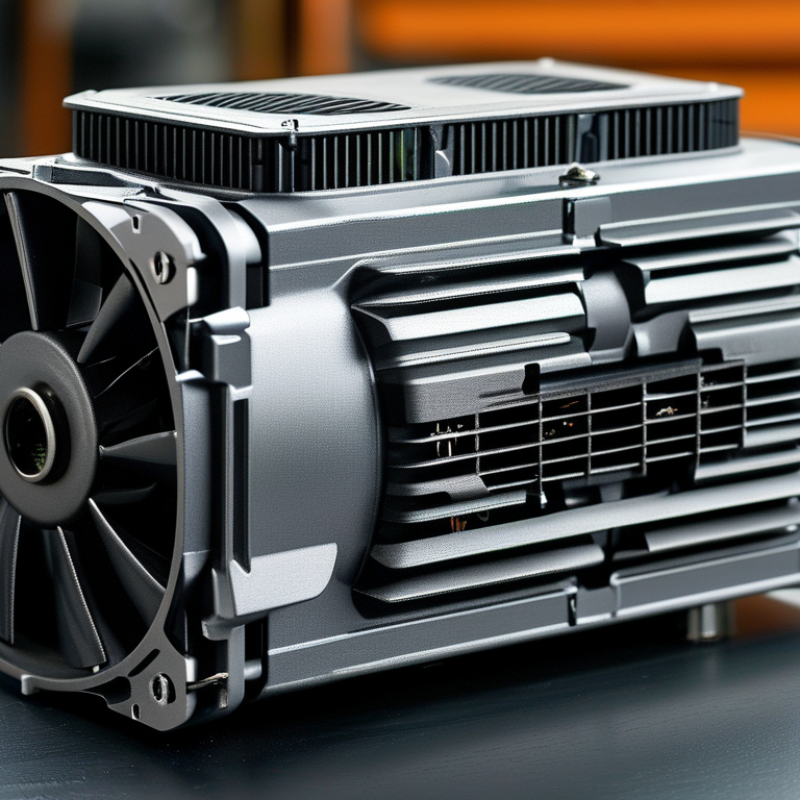
Understanding Different Types of Fan Motors and Their Applications
Selecting the right fan motor is crucial for any business. Each type serves specific purposes and varies in efficiency and performance. The AC motors are widely used in industrial settings due to their durability. They operate continuously and handle high loads well. Yet, they can be less efficient than other types.
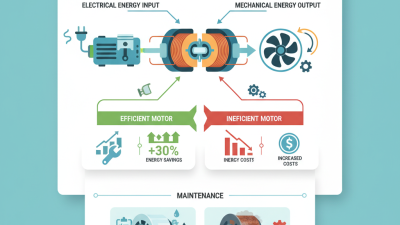
On the other hand, DC fan motors provide better energy savings. A recent report from the U.S. Department of Energy states that DC motors can be up to 30% more energy-efficient than their AC counterparts. This makes them ideal for applications where energy costs are a concern. In places with fluctuating power costs, investing in these motors can be beneficial.
With varying requirements, understanding the application is essential. For instance, small-scale operations may find shaded-pole motors suitable for low-consumption needs. However, larger facilities might need permanent split-capacitor motors for enhanced performance. Business owners must reflect on their specific needs and operational costs before making a decision. This reflection can lead to better resource allocation and operational efficiency.
Evaluating the Energy Efficiency of Fan Motors for Cost Savings
The efficiency of fan motors significantly impacts operational costs in various industries. According to the U.S. Department of Energy, energy-efficient motors can reduce energy consumption by up to 30%. This reduction translates directly into lower utility bills, which can be crucial for businesses facing tight budgets. The selection of a high-efficiency fan motor can mitigate excessive energy use and decrease overall operational expenses.
However, achieving energy efficiency is not solely about choosing the right motor. Maintenance plays a vital role as well. Poorly maintained motors can increase energy use by 15% or more. Regular inspections and timely replacements of worn parts are necessary. Inadequate attention to these factors can lead companies to overlook potential savings. Consider that some operations may still utilize outdated fan models, despite the availability of more efficient options.
Understanding the specific energy demands of your application is key. For example, industrial processes with variable load requirements can benefit from motors designed for these fluctuations. As reported by the International Energy Agency, optimally selected equipment can lead to substantial long-term savings. Businesses should evaluate their unique needs carefully and invest in technology that offers both performance and efficiency.
Why Choose the Right Fan Motor for Your Business Needs? - Evaluating the Energy Efficiency of Fan Motors for Cost Savings
| Motor Type |
Power Rating (kW) |
Energy Efficiency (%) |
Annual Energy Cost ($) |
Estimated Savings ($) |
| Standard AC Motor |
5 |
85 |
$1,200 |
- |
| High-Efficiency AC Motor |
5 |
92 |
$1,050 |
$150 |
| EC Motor |
5 |
95 |
$900 |
$300 |
| DC Motor |
5 |
90 |
$1,000 |
$200 |
Assessing the Performance Requirements for Your Specific Business Needs
Choosing the right fan motor is crucial for businesses that rely on airflow for operations. Assessing performance requirements can significantly impact efficiency and productivity. A detailed understanding of your specific needs is essential. Consider the environment where the fan will operate. High humidity, extreme temperatures, or dust can affect performance.
Different industries have varying airflow needs. For example, a food processing facility may require constant airflow to maintain temperature. Meanwhile, a data center needs precise airflow for cooling. Assessing these needs helps in selecting a motor with the right specifications. Don't overlook the power consumption aspect; an efficient motor reduces costs over time.
Many businesses face challenges when evaluating motor specifications. Common issues include underestimating airflow requirements or neglecting noise levels. Seek expert advice if unsure about the right fit. A knowledgeable consultant can help identify the appropriate motor type and size. Balancing performance with energy efficiency is vital for long-term success. Investing time in this process pays off in operational reliability.
Exploring Factors Influencing the Selection of Fan Motors
When selecting a fan motor for your business, several factors must be considered. The application's specific demands play a critical role. Different environments may require motors with varying power levels, sizes, and speeds. For instance, industrial applications might need high-performance motors, whereas office spaces could benefit from quieter, energy-efficient models. Carefully evaluating these aspects ensures the motor fits well within the existing infrastructure.
Energy efficiency is another key consideration. A fan motor’s energy consumption directly impacts operational costs. Investing in a high-efficiency motor can yield savings over time. However, the initial cost may be higher. This trade-off requires close consideration, especially for small businesses with tight budgets. Balancing upfront investment and long-term savings is essential yet can be challenging.
Moreover, reliability should not be overlooked. The chosen motor needs to withstand working conditions, whether exposed to dust, moisture, or extreme temperatures. High-quality motors will reduce downtime and maintenance needs. Yet, it can be hard to gauge a motor's durability through specifications alone. Past performance and user reviews can provide valuable insights but may not always reflect current reliability. Ultimately, making a thoughtful choice involves weighing multiple, often conflicting, criteria to meet both present and future requirements.
Identifying Common Mistakes in Choosing Fans for Commercial Use
Choosing the right fan motor can profoundly impact commercial operations. Many businesses overlook key factors in selection. A common mistake is underestimating air circulation needs. According to industry reports, inadequate airflow can lead to discomfort and decreased productivity. For a typical commercial space, achieving proper ventilation ratings is crucial.
Another frequent oversight is ignoring energy efficiency. On average, energy costs account for over 30% of operating expenses. Selecting a fan with a high-efficiency motor can significantly reduce these costs. Look for fans rated under Energy Star standards. This ensures lower energy consumption and contributes to sustainability goals.
When selecting a fan, consider the environment it will be used in. Different settings require specific features. For instance, moisture levels can impact motor longevity. Also, factor in the noise level. A quieter operation may be essential for a pleasant workspace. These details matter more than one might assume. Prioritize reliable vendors who can provide relevant performance data. Doing so will help avoid potential pitfalls.



 Email
Email Whatsapp
 WeChat