Top Air Conditioner Motor Manufacturers Worldwide
Air conditioning is moving from a seasonal convenience toward essential infrastructure in homes, offices, and data centers. The International Energy Agency’s 2018 report, The Future of Cooling, estimated that the global stock of air conditioners could grow from 1.6 billion units to 5.6 billion by 2050. It also projected that electricity demand for space cooling could more than triple over that period. A huge shift. These figures describe air conditioners, not motor sales, so they should not be treated as a direct measure of the motor market. They do, however, show why efficient, dependable components matter.
The Air Conditioner Motor is central to that performance. It drives compressor or fan operation, affecting energy use, noise, heat, and service life. Manufacturers offer different designs, including induction motors and electronically controlled brushless motors, with suitability depending on the unit and its operating conditions. This overview examines leading manufacturers worldwide through practical factors: product range, efficiency claims, production experience, quality controls, and support for original equipment makers. Certifications and published specifications are useful evidence, but they do not guarantee identical results in every installation. The comparison is not perfectly tidy. Product availability and performance can vary by model, region, and testing method, so buyers should verify current technical data before choosing a supplier.
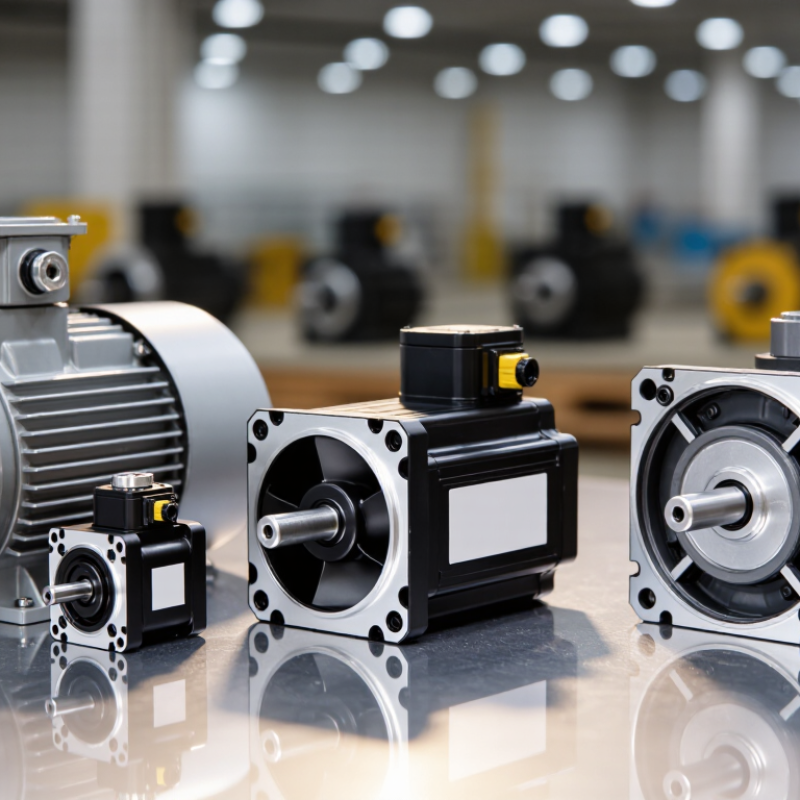
Air Conditioner Motors: Roles in Compressors, Fans, and HVAC Systems
Top Air Conditioner Motor Manufacturers Worldwide
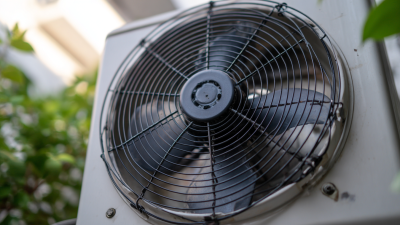
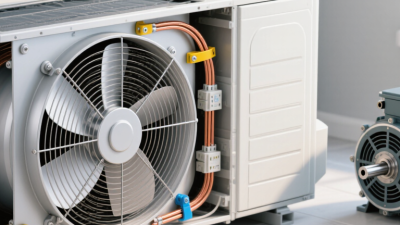
Air conditioner motors do more than spin a shaft. In many systems, a motor drives the compressor, which circulates refrigerant and supports heat transfer. Other motors turn indoor blower wheels and outdoor fan blades. Their speed and torque affect airflow, noise, and energy use. A weak fan motor may leave a coil warmer than expected, while poor compressor performance can reduce cooling capacity. The symptoms can overlap. Small details matter.
Tips: Match the motor’s voltage, speed, torque, and duty rating to the equipment specifications. Check airflow, mounting, and electrical connections before replacing a motor. A quiet motor is not always a healthy one; unusual heat, vibration, or changing current deserves closer inspection. Measurements need context, though.
In HVAC systems, motor selection also depends on controls and operating conditions. Variable-speed motors can adjust airflow or compressor output as demand changes, but they require compatible controls. Dust, restricted filters, and blocked outdoor coils can increase operating strain. Maintenance helps, yet it cannot correct a mismatched motor or poor installation. One useful reminder: a nameplate gives essential limits, not the full story of how a motor will perform in a real system.
Motor Types: Induction, BLDC, and Permanent-Magnet Designs
Air-conditioner motor selection affects power use, noise, starting behavior, and temperature control. The International Energy Agency’s 2011 report, Energy-Efficiency Policy Opportunities for Electric Motor-Driven Systems, estimates that motor-driven systems use about 45% of global electricity. That figure covers many sectors, not air conditioners alone, but it shows why motor efficiency deserves attention.
Induction motors remain common in compressor and fan applications. Their straightforward construction is robust, though fixed-speed models may cycle frequently and draw more power during operation than variable-speed alternatives. Inverter control can adjust motor speed to match cooling demand, reducing abrupt starts and temperature swings. There is a trade-off: added electronics bring cost and require suitable controls.
BLDC motors use electronic commutation and permanent magnets, often making them efficient choices for indoor blower fans. Permanent-magnet synchronous designs also appear in variable-speed compressors. The categories overlap: BLDC is itself a permanent-magnet motor design, though terminology varies across technical literature. In practice, compare measured efficiency across the expected operating range, not just peak ratings. A quiet fan at low speed can still be inefficient at full load. That detail is easy to miss.
Efficiency Benchmarks: IEC IE Classes Cover 0.12–1,000 kW Motors
For air-conditioning equipment, motor efficiency affects electricity use, operating temperature, and long-term reliability. IEC efficiency classes provide a common way to compare eligible motors across a broad rated-power range, from 0.12 to 1,000 kW. The familiar IE levels indicate progressively higher efficiency, but a class label alone does not tell the whole story. Check the applicable test standard and motor operating conditions.
Comparisons are meaningful only when key details match, including rated power, pole count, supply frequency, and duty. A small motor serving a fan may run for many hours at partial load, while a compressor motor faces a different load profile. Also separate motor efficiency from total equipment efficiency: airflow, controls, and installation can change the energy used in practice. A neat specification table can still hide a poor match. Real conditions matter.
Tips: Compare like with like. Ask for test data at the intended operating point, not only the highest published efficiency. Confirm whether the motor works with the drive or control system, and check heat, noise, and service access. Leave room for uncertainty; field performance may differ from laboratory results.
Global Manufacturer Profiles: Product Range, Scale, and Regional Reach
Air conditioner motor manufacturers vary widely in product range and production scale. Some focus on compressor-drive motors, while others supply fan motors for indoor and outdoor units. Their catalogs may include induction, permanent-magnet, and electronically commutated designs. Each serves different needs for efficiency, speed control, noise, and operating conditions.
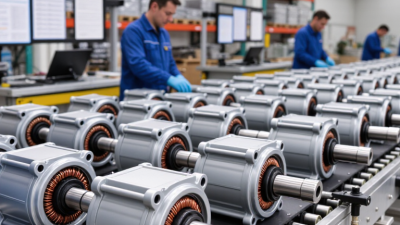
Scale is not measured by factory size alone. Buyers also examine monthly output, testing capacity, lead times, and the ability to maintain consistent specifications across production runs. A motor tested for vibration and heat tolerance may be better suited to a demanding installation than one selected by price alone. Details matter.
Regional reach shapes supply choices. Manufacturers with facilities or service partners near major assembly markets may offer shorter delivery routes and more responsive technical support. Others serve international customers through distributors, which can widen availability but add coordination steps. Public product catalogs and certifications offer useful clues, though they do not reveal every quality-control practice. That comparison is useful, but imperfect. A polished catalog cannot show how a motor performs after years of dust, heat, and repeated starts.
Global AC Motor Design Reference: Synchronous Speed by Supply Frequency
A technical comparison of standard induction-motor pole configurations used in air-conditioning equipment. Values are calculated using synchronous speed = 120 × frequency ÷ number of poles.
Speeds shown are theoretical synchronous speeds in revolutions per minute. Actual induction-motor operating speeds are slightly lower because of slip.
Supplier Comparison: Efficiency, Noise, Reliability, and Compliance
Comparing air conditioner motor suppliers requires more than a headline efficiency rating. The International Energy Agency’s 2011 report, Energy-Efficient Motor Systems, estimated that electric motor systems used about 46% of global electricity. This broad figure is not specific to air conditioners, but it shows why small efficiency gains matter across long operating hours. Ask manufacturers for test results at the actual voltage, load, and speed range your equipment uses. A motor that performs well at full load may behave differently during frequent low-speed operation.
Noise is measurable. ISO 3744 sets methods for determining sound power, so compare results taken under similar conditions—not just catalog claims. For efficiency classes, check whether documentation follows IEC 60034-30-1 and clearly identifies the tested motor configuration. Compliance paperwork should match the supplied model and market; generic certificates are a warning sign. Reliability needs equally concrete evidence: bearing-life assumptions, temperature-rise data, warranty terms, and field failure records. Request the service interval, too. A quiet motor is less impressive if it needs early replacement.
There is a gap between laboratory ratings and installed performance. Mounting, airflow, and inverter settings can change noise and heat. Supplier comparison should therefore include a witnessed sample test where practical. Datasheets rarely tell the whole story, and procurement teams sometimes overlook that. A little uncomfortable, but worth checking.



 Email
 Whatsapp

 WeChat