

Choosing an Air Conditioner Motor is not just a matter of matching a price tag. The wrong motor can cause poor airflow, excess noise, or repeated service calls. A careful choice starts with the equipment label, not guesswork. Check the model number, voltage, horsepower, rotation, and mounting style. Small details matter.
A useful rule of thumb is: “Match the motor to the system, not just to the old motor’s appearance.” This is original editorial guidance, not a verified quotation from a named industry expert. A real expert quote should be checked against a reliable source before publication. That distinction matters. Trustworthy buying advice should make clear what is documented and what is general guidance.
This guide outlines seven practical checks, from confirming compatibility to comparing warranties and operating costs. Look for the motor’s rating plate and take a clear photo before shopping. If the specifications are worn or confusing, ask a qualified HVAC technician to verify them. Do not rely on a similar-looking housing alone. Some details are easy to overlook. A motor may fit physically yet still be electrically or mechanically unsuitable. With the right information, buyers can narrow their options and avoid costly mismatches.
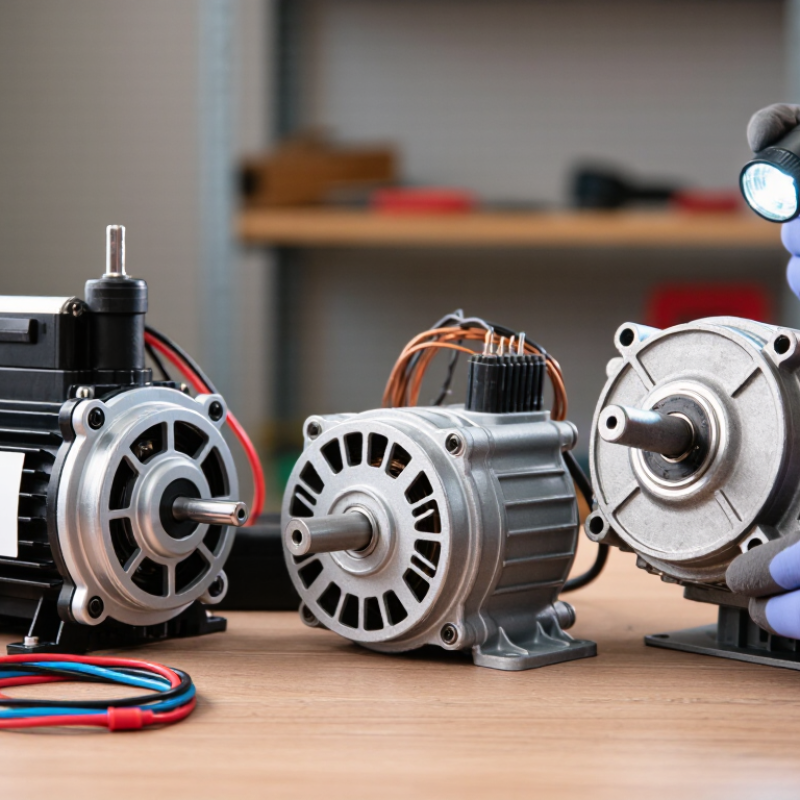
Identify your air conditioner’s motor type before comparing prices or specifications. A split system may use an indoor blower motor and an outdoor condenser fan motor. These parts are not interchangeable, even when their housings look similar. Check whether the motor is PSC, ECM, shaded-pole, or another design. PSC motors usually use a separate capacitor, while ECM motors may include built-in electronic controls. The wiring layout can reveal important differences.
Find the complete model number on the motor label or the air conditioner’s service panel. Record the voltage, horsepower, RPM, rotation, frame size, shaft length, and capacitor rating. Take a clear photo before removing any wires. A partly damaged label can cause confusion. I have seen model numbers copied incorrectly because one letter looked like a number. Measure it again.
Do not rely on horsepower alone. A motor with the wrong RPM may reduce airflow, increase noise, or overheat. Compare the replacement motor with the original installation, not just an online picture. Turn off power at the disconnect and verify that no voltage remains before inspection. Some systems contain stored electrical energy. When the label is missing, ask a qualified technician to identify the motor from the unit’s full model and wiring diagram. My own preference is to check every measurement twice, although even careful notes can miss the rotation direction.
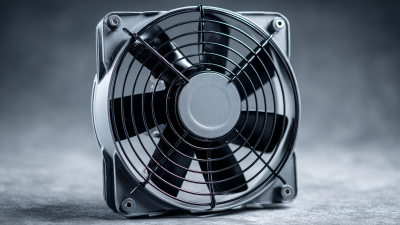
Buying an air conditioner motor starts with compatibility, not price. Check the exact model, voltage, frequency, phase, horsepower, and rated speed. A motor marked 208–230 volts may not suit a 115-volt system. Frequency also matters, especially in equipment designed for a specific electrical supply. Compare the replacement motor with the service manual and the original nameplate.
Measure the motor body, shaft length, shaft diameter, and mounting-hole spacing. Confirm the rotation direction before installation. A clockwise motor can move air incorrectly when the system requires counterclockwise rotation. Check the capacitor rating too. Using the wrong microfarad value may cause overheating or poor starting performance. Small errors matter.
Inspect the wire terminals and overload protection. The new motor should fit the existing wiring without forcing connections or bypassing safeguards. Technicians often photograph the original wiring before removal, which prevents avoidable mistakes. Still, a handwritten note may be wrong, and old labels can fade. Verify every connection with a meter and the manufacturer’s technical data. If the current draw differs greatly from the listed rating, stop and investigate. A qualified technician should handle live electrical testing and final commissioning.
7 Tips for Buying an Air Conditioner Motor
Compare Efficiency, Performance, and Operating Noise
When choosing an air conditioner motor, compare its efficiency rating, airflow capacity, and noise level under similar conditions. A higher efficiency rating may reduce electricity use, but it does not guarantee stronger cooling in every system. Check the motor’s specifications against your unit’s requirements, including voltage, speed, and mounting dimensions. A mismatch can cause poor airflow or unnecessary strain.
Listen for practical clues. A smooth motor should run without grinding, rattling, or noticeable changes in pitch. If possible, compare sound ratings at the same distance; a quiet showroom can make almost any unit seem peaceful. Not every low-noise motor suits every home. Installation, vibration, and nearby ductwork can also affect what you hear.
Look for performance details that reflect real use, such as airflow at different speeds and the motor’s ability to handle regular cycling. Ask for written specifications and warranty terms, then confirm compatibility with a qualified technician if the model information is unclear. I once overlooked a mounting detail; the replacement fit poorly. Small measurements matter.
| Tip | What to Compare | What to Check | Why It Matters |
|---|---|---|---|
| 1 | Confirm system compatibility | Match the motor’s model or approved replacement number, voltage, phase, frequency, mounting, shaft, and wiring requirements to the air conditioner’s specifications. | A motor that physically fits may still be electrically or mechanically incompatible. Use the unit’s data plate and service documentation. |
| 2 | Compare motor types | PSC motors typically operate at a fixed speed or selected tap. ECM motors use electronic controls and can vary speed, depending on the motor and system design. | Motor type affects control compatibility, airflow options, installation requirements, and how the system responds to changing conditions. |
| 3 | Check efficiency information | Compare the motor’s rated electrical input and efficiency data where available. For a complete air conditioner, compare the system-level efficiency rating specified for the equipment. | A motor rating alone does not determine the efficiency of the complete cooling system. Actual energy use also depends on the equipment, controls, installation, and operating conditions. |
| 4 | Verify performance requirements | Check rated horsepower or watts, speed, rotation direction, and the manufacturer’s specified airflow or application requirements. | Correct performance depends on matching the motor to the fan, coil, and system design. Do not select a replacement by horsepower alone. |
| 5 | Consider operating noise | Look for published sound data under comparable test conditions, and check whether the motor supports the intended speed and control settings. | Noise can come from the motor, fan, vibration, airflow, or installation. A decibel figure is useful only when the measurement conditions are comparable. |
| 6 | Review controls and electrical details | Confirm capacitor requirements, control signals, connector or wiring configuration, and any setup or programming steps listed by the equipment manufacturer. | Control or wiring differences can prevent correct operation or damage components. Electrical work should follow the manufacturer’s instructions and applicable safety codes. |
| 7 | Compare durability and service support | Review the stated warranty, operating limits, installation instructions, parts availability, and whether the motor is approved for the specific unit. | Clear documentation and appropriate service support can make installation and future maintenance easier. Have a qualified technician verify the replacement when needed. |
A replacement air conditioner motor should match the unit’s specifications, not just look similar. Check the model label, voltage, rotation direction, shaft size, and mounting pattern before ordering. A mismatch can cause vibration, poor airflow, or a motor that will not fit. Take clear photos of the old motor and its wiring, but do not rely on photos alone. Small details matter. If the specifications are unclear, ask a qualified technician to confirm them.
Build quality is more than a heavy casing. Look for secure terminals, a sturdy shaft, and bearings suited to the unit’s operating conditions. Ask what the warranty covers, how long it lasts, and whether labor or only the part is included. Read the exclusions carefully; coverage may not apply when installation or electrical conditions are blamed. Compare the motor’s price with the full replacement cost, including diagnosis, labor, and any needed capacitor. A cheaper part can become expensive if it fails early or takes extra work to install. Keep the receipt and installation details. I might still overlook a hidden compatibility issue, so checking the old part number with the seller is a sensible extra step.
Typical U.S. installed replacement-cost ranges vary by motor design and installation difficulty. PSC motors generally have lower upfront and replacement costs, while ECM motors offer improved efficiency but usually cost more to replace. Before buying, compare construction quality, expected service life, warranty coverage, parts availability, and labor costs.
Buying an air conditioner motor starts with the installation site, not the online price. Measure the mounting bracket, shaft length, bolt spacing, and available clearance. A motor that fits electrically may still rub the housing or block airflow. Check the equipment manual for voltage, frequency, phase, horsepower, rotation, and rated current. Write these values down. Guessing is expensive.
Ask a qualified technician to confirm the wiring method and disconnect location. The circuit should match local electrical codes and the motor’s nameplate. Verify grounding, overcurrent protection, capacitor type, and insulation requirements before purchase. Outdoor units may need weather-resistant construction and suitable ingress protection. Look for thermal overload protection when the motor operates near heat, dust, or restricted airflow. Small details matter.
I once focused on shaft size and nearly missed the rotation direction. That mistake could have reduced cooling and stressed the fan. It is an easy detail to overlook. Photograph the old wiring, but never rely on color alone; labels and a meter are safer. Confirm lockout procedures before installation, and keep hands clear of the fan wheel. Ask for test results, warranty terms, and compliance documents from the seller. Documents help, though they do not replace an on-site inspection. If the unit is old or modified, pause and reassess the whole assembly. Perfect matches are not always obvious.