What is a Furnace Motor and How Does It Work?
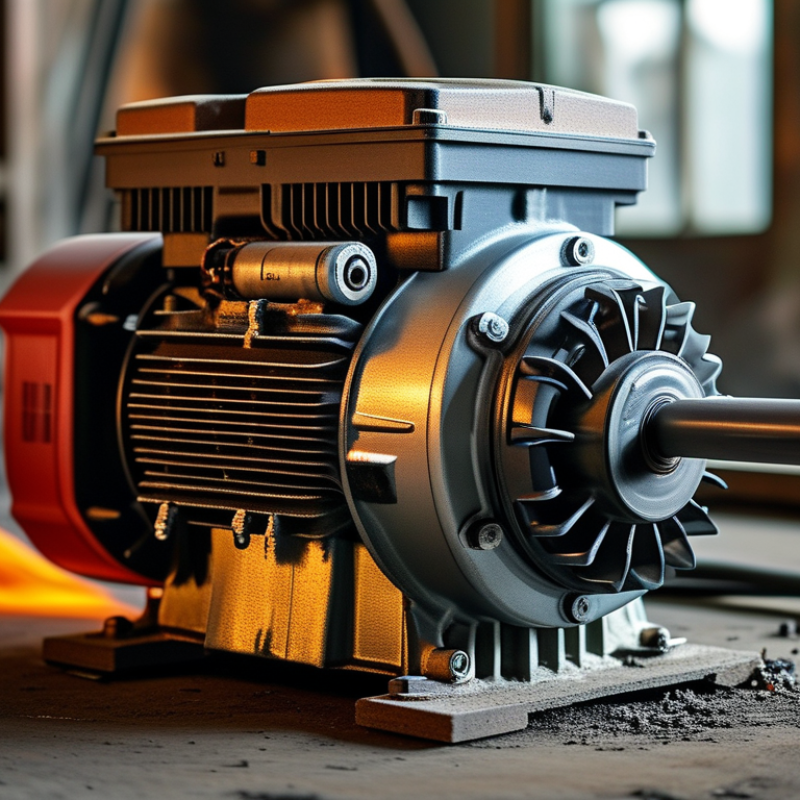
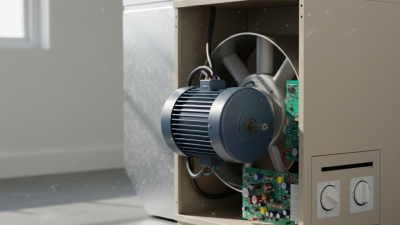
A furnace motor is a crucial component in heating systems. It drives the blower fan, circulating warm air throughout a building. Understanding how a furnace motor works can enhance your knowledge of home heating efficiency.
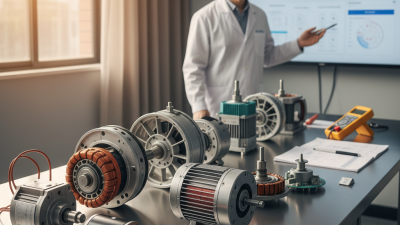
This motor functions by converting electrical energy into mechanical energy. When the thermostat signals for heat, the motor activates, spinning the fan. This process is vital for maintaining a comfortable indoor environment. With variations in motor designs, from PSC to ECM, knowing the differences helps in selecting the right one for your system.
However, not everyone recognizes potential issues with furnace motors. Wear and tear can lead to performance declines. Regular maintenance is essential to ensure longevity and efficiency. Observing unusual noises or reduced airflow can indicate problems. Recognizing these signs early can prevent more significant issues down the line.
What is a Furnace Motor? An Overview of Its Role in Heating Systems
A furnace motor is a crucial part of heating systems. It drives the blower, which circulates warm air throughout your home. Without it, your furnace cannot efficiently distribute heat. When you turn on the heater, the motor engages, powering the blower. This process ensures a consistent and comfortable temperature indoors.
Understanding the furnace motor’s role goes beyond basic mechanics. Regular maintenance can enhance its performance and lifespan. Dust and debris can accumulate, affecting efficiency. It’s essential to check and clean the motor periodically. Neglecting this can lead to breakdowns or reduced heating capability. Sometimes, the furnace may work, but not as effectively as it could. Recognizing these signs is vital for timely intervention.
Though furnace motors are built to last, occasional issues arise. Strange noises or inconsistent airflow can indicate problems. Listening carefully can help identify the need for repairs. Over time, even a well-functioning motor can become less efficient. Being proactive can save costs and ensure reliable heating during colder months.
Types of Furnace Motors: Single-Speed vs. Variable-Speed Options
Furnace motors play a crucial role in heating systems. They drive fans that distribute warm air throughout your space. Understanding the types of furnace motors can help you make better choices for your home.
Single-speed motors are straightforward and reliable. They operate at one constant speed. This means they either run at full power or not at all. While this simplicity can be an advantage, it can also lead to energy waste. They create temperature swings, as the motor doesn’t adjust to varying heating needs. This can lead to discomfort during colder months.
Variable-speed motors, on the other hand, offer more flexibility. They can adjust their speed based on the demand for heat. This leads to more consistent temperatures and improved energy efficiency. However, these motors can be more complex and costly. You might find yourself questioning if the investment is worth it. While variable-speed options provide comfort, their installation and maintenance can also require careful consideration.
How Furnace Motors Operate: Understanding the Mechanics of Motion
Furnace motors play a crucial role in heating systems, operating as key components that drive the circulation of warm air. They convert electrical energy into mechanical motion, ensuring consistent airflow within the furnace. This airflow is essential for evenly distributing heat throughout a space. A furnace motor's efficiency depends on its design, which may include components like bearings, windings, and an armature.
When a furnace motor is engaged, it typically uses induction or direct current technology. Induction motors are widely favored for their durability and low maintenance. They utilize electromagnetic fields to create motion, while direct current motors can offer precise control over speed and torque. Understanding these mechanical processes helps demystify how heat is delivered. However, the complexity varies between models, which can lead to potential inefficiencies or frequent breakdowns if not properly maintained.
Regular inspection and timely servicing of furnace motors are essential to ensure optimal performance. Over time, dust and debris can accumulate, hindering motion and airflow. Without routine checks, a motor may struggle to perform its duties, leading to cold spots in the home. Homeowners might overlook these issues until comfort levels decrease, prompting a need for prompt attention. Appropriate care can extend the motor's lifespan and maintain effective heating.
Key Performance Metrics: Efficiency Ratings and Their Importance
Efficiency ratings are essential when assessing furnace motors. These ratings indicate how well a motor converts electricity into heat. A high-efficiency rating often translates to lower energy bills. Various industry reports suggest that motors with efficiency ratings above 90% can save homeowners up to 30% on energy costs annually. This can lead to significant financial relief, especially during harsh winters.
Furnace motor performance also affects the overall heating system. Inefficiencies in the motor can lead to uneven heating and increased wear on other components. A poorly rated motor may operate harder and longer, leading to higher maintenance costs over time. Furthermore, the U.S. Department of Energy emphasizes the role of efficiency in reducing greenhouse gas emissions. Upgrading to a more efficient motor not only saves money but also contributes to a more sustainable environment.
However, not all high-efficiency motors perform equally in real-world scenarios. Factors like installation quality, system design, and regular maintenance can impact performance. Choosing the right motor requires careful consideration. A motor with a high efficiency rating may not be the best fit for every home. It's crucial to assess your specific needs and consult experts for tailored advice. Understanding these metrics can lead to better decisions, ultimately enhancing comfort and reducing overall expenditures.
Common Issues with Furnace Motors: Troubleshooting and Maintenance Tips
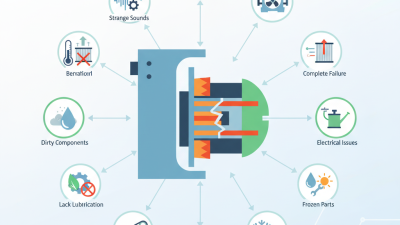
Furnace motors are vital components in heating systems, ensuring efficient operation. Common problems include inadequate airflow, strange noises, and failure to start. According to the U.S. Department of Energy, 50% of furnace failures are attributed to the motor. Regular maintenance can address these issues early.
Monitoring the motor's lubrication is essential. Over time, oil may dry out, leading to friction and overheating. A simple inspection can help detect this. Additionally, many homeowners overlook the airflow filter. A clogged filter can suffocate the motor, causing it to work harder. This stresses the motor and may lead to breakdowns.
Strange noises can indicate mechanical failures. Rattling might suggest loose components. Grinding sounds point to serious problems. Tracking these sounds is crucial. Keeping a log can clarify patterns and aid technicians. Ensuring the furnace motor runs optimally can minimize costly repairs. Regular checks can enhance the system's lifespan, resulting in better efficiency.



 Email
Email Whatsapp
 WeChat