What is an Inline Air Dryer and How Does It Work?
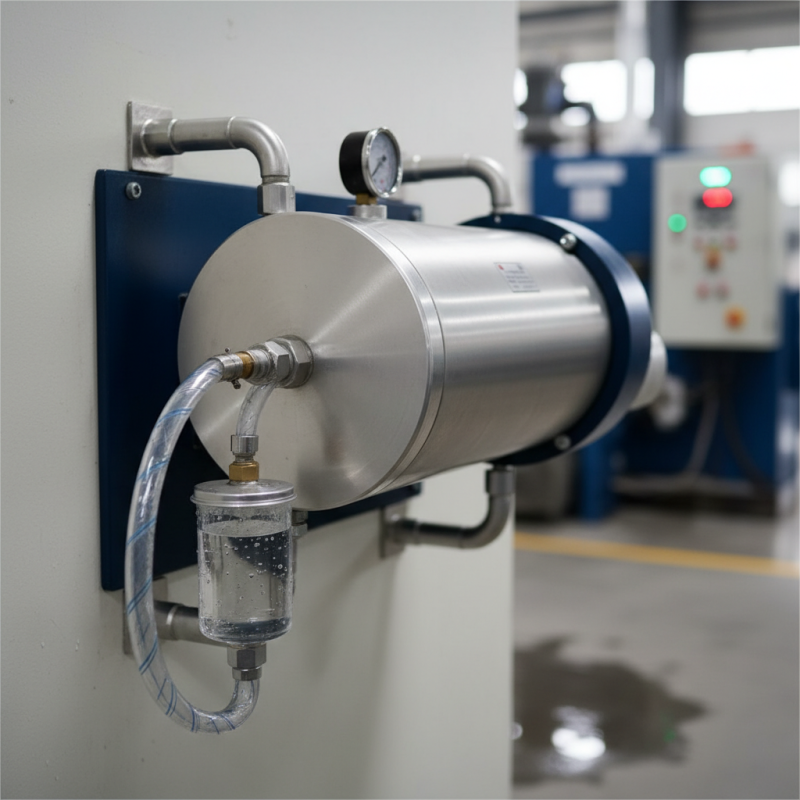
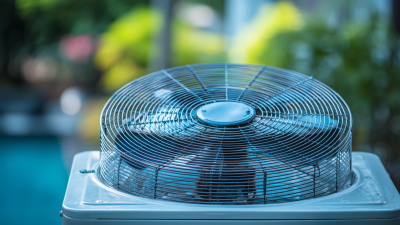
In the world of compressed air systems, the role of an Inline Air Dryer is crucial. This device removes moisture from compressed air, protecting equipment and improving efficiency. Moisture can lead to corrosion and product contamination, creating costly issues in industrial settings.
An Inline Air Dryer works by cooling the air, condensing moisture into water, which is then removed. This process enhances the performance of pneumatic tools and reduces downtime. Users often overlook the importance of regular maintenance, which can affect the lifespan of the dryer.
It's essential to choose the right Inline Air Dryer based on specific needs. Factors like air volume and ambient conditions play significant roles. Understanding these elements ensures optimal performance and minimizes complications. With the right attention, an Inline Air Dryer can significantly enhance operational reliability.
Definition of Inline Air Dryer and Its Purpose
An inline air dryer is crucial in various industrial applications. It removes moisture from compressed air, ensuring optimal performance of pneumatic tools and equipment. The presence of moisture can lead to corrosion and decreased efficiency. According to a report by the Compressed Air & Gas Institute (CAGI), excess moisture can reduce system efficiency by up to 30%.
These dryers function by cooling and condensing moisture from the air before it reaches the application. This condensation is then drained out, leaving dry air for use. The need for dry air is critical; for example, in food and beverage manufacturing, moisture can compromise product quality. A study published in the Journal of Food Science highlights that 25% of food spoilage is linked to moisture issues in processing environments.
However, selecting the right dryer is not without challenges. Factors like ambient conditions and air quality can affect performance. Regular maintenance is vital to avoid issues such as blockages or decreased efficiency. Users often overlook these aspects, unknowingly risking operational downtimes. Awareness of these challenges can lead to better management and performance of inline air dryers in various contexts.
Inline Air Dryer Performance Comparison
This bar chart illustrates the air drying efficiency of various inline air dryer models. Each model demonstrates different performance levels, providing insights into which may be preferable based on efficiency metrics.
Working Principles of Inline Air Dryers
Inline air dryers are vital for ensuring clean and dry compressed air. They help prevent moisture buildup, which can damage tools and equipment. Understanding their working principles is essential for efficient operation.
These dryers utilize a heat-exchange process. Compressed air passes through a heat exchanger, cooling the air and allowing moisture to condense. The water is then separated and expelled. This method efficiently reduces humidity levels in the air. However, not every system works perfectly. Sometimes, maintenance is overlooked, leading to reduced performance.
Tips: Regularly check filters and drainage systems. This will enhance dryer efficiency. Keep an eye on temperature changes in compressed air, as inconsistencies can indicate a problem.
While these systems are generally reliable, they are not infallible. Users must stay vigilant. Knowing the signs of wear can help prevent downtime. Choosing the right dryer based on application needs is also crucial. Failing to do so could lead to frequent maintenance issues.
Types of Inline Air Dryers and Their Applications
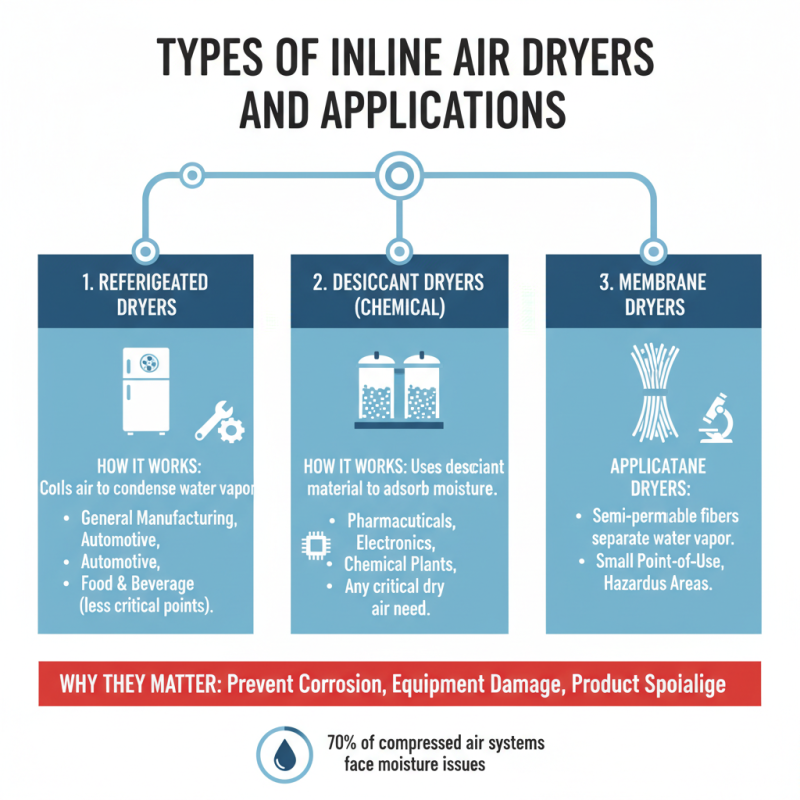
Inline air dryers are essential in various industrial applications, playing a critical role in maintaining air quality. These devices help remove moisture from compressed air systems, preventing corrosion and damage to equipment. According to a report by the Compressed Air and Gas Institute, about 70% of all compressed air systems experience moisture-related issues. Moisture can lead to product spoilage, system inefficiencies, and increased operational costs.
There are several types of inline air dryers, including desiccant, refrigerated, and membrane dryers. Desiccant dryers are known for their high moisture removal efficiency, making them suitable for environments where air quality is paramount. Refrigerated dryers, on the other hand, work well in industries with moderate humidity levels. The choice of dryer type often depends on specific application needs. A study by the American Society of Mechanical Engineers indicates that improper drying can affect product quality by up to 30%.
While inline air dryers offer significant benefits, challenges exist. For instance, desiccant dryers require periodic maintenance to ensure optimal performance. Users must also consider energy consumption, as some dryers can significantly increase energy costs. Balancing efficiency and cost is crucial for sound decision-making in selecting the right inline air dryer for specific applications.
Benefits of Using Inline Air Dryers in Systems
Inline air dryers are becoming increasingly essential in various pneumatic systems. These devices remove moisture from compressed air, enhancing efficiency and reliability. A reliable air dryer can improve process quality and minimize downtime. Industry studies show that up to 70% of compressed air systems experience performance issues due to moisture. This highlights the importance of incorporating effective moisture control methods.
One significant benefit of using inline air dryers is increased equipment lifespan. Moisture can lead to corrosion and damage in tools and machinery. Protecting these investments can save companies substantial repair and replacement costs. According to a report by the Compressed Air & Gas Institute, proper moisture management can reduce costs by as much as 30%.
Tip: Regular maintenance and monitoring are critical. Check the dryer’s performance frequently to ensure efficiency. Properly sized dryers perform best, so consider the system's air flow requirements.
Another benefit is improved product quality. Many manufacturing processes require dry compressed air to prevent contamination. Inline air dryers help achieve consistency in product output. Some facilities report a 20% increase in product quality after implementing these systems.
Tip: Train your team on the importance of maintaining a dry air supply. Awareness can prevent errors and improve overall performance.
Maintenance and Troubleshooting of Inline Air Dryers
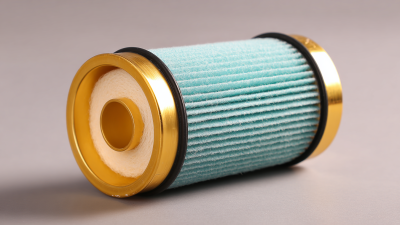
Inline air dryers play a crucial role in maintaining the quality of compressed air systems. Regular maintenance is essential to ensure optimal performance. Inspecting the filters is a good starting point. Clogged filters can lead to reduced airflow and increased humidity levels. Replacing them when needed is vital for system efficiency. Additionally, checking for leaks in the air lines can prevent moisture from entering the system.
Troubleshooting may arise if the dryer is not performing as expected. A common issue is inadequate drying capacity. This can stem from blocked condensate drains. Regularly cleaning these drains is necessary to maintain proper function. Sometimes, the dryer’s environment can impact its performance too. High temperatures or poor ventilation can strain the unit. This may lead to increased downtime or, worse, damage.
It’s important to reflect on your maintenance practices. Have you been consistent? Skipping scheduled inspections can result in costly repairs. Implementing a routine prevents unexpected failures and extends the lifespan of the inline air dryer. Taking the time to carefully manage these systems pays off in the long run.



 Email
Email Whatsapp
 WeChat