10 Essential Tips for Choosing a Furnace Blower Motor?
Choosing the right Furnace Blower Motor is crucial for your heating system's efficiency. This component plays a significant role in distributing warm air throughout your home. A mismatched or low-quality motor can lead to poor performance and higher energy bills. Many homeowners overlook this important aspect, leading to potential issues.
When selecting a Furnace Blower Motor, it's essential to understand your system’s specifications. Take note of factors like size, power rating, and compatibility. These details can make or break your decision. It’s easy to make assumptions that might not be accurate, so careful consideration is vital.
Keep in mind that not all motors are created equal. Some may seem appealing due to their price, but reliability is key. A cheaper option can result in ongoing maintenance costs. Aim for a balance between cost and quality. A well-chosen Furnace Blower Motor can enhance your heating system's longevity and performance.
Understanding the Role of Furnace Blower Motors in Heating Systems
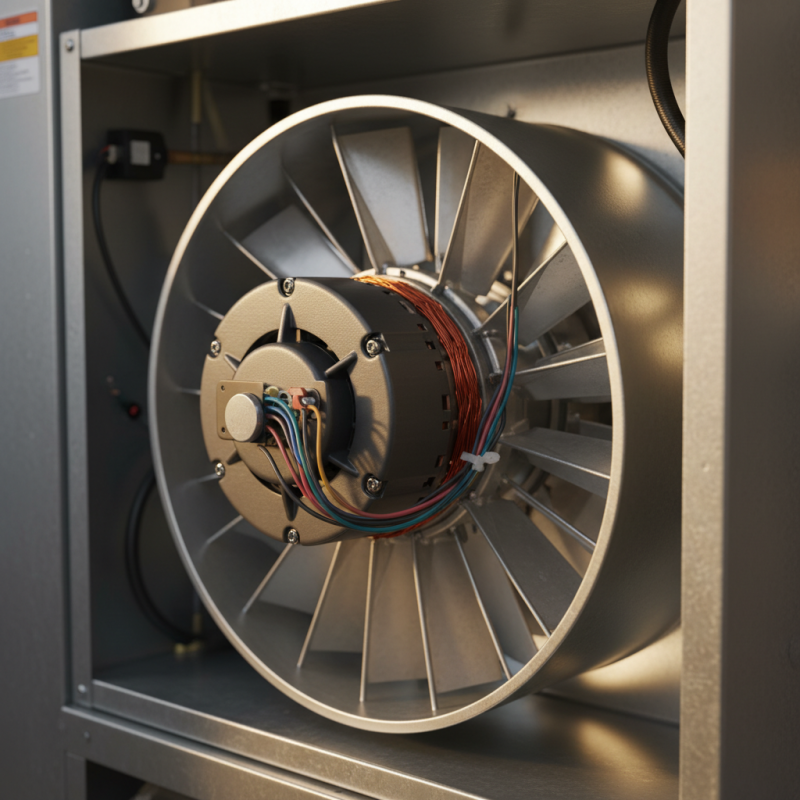
Furnace blower motors play a crucial role in heating systems, ensuring warm air circulates efficiently throughout your home. These motors drive the fan that pushes heated air from the furnace into your living spaces. Without a reliable blower motor, even the best furnace struggles to maintain a consistent temperature. The motor's efficiency directly impacts your heating costs and overall comfort.
Choosing the right blower motor involves understanding its specifications. Factors such as wattage, voltage, and speed ratings are vital. Look for a motor that matches your furnace's power requirements. Consider how noise levels affect your home environment, as some motors operate more quietly than others. Remember, an incorrectly matched blower motor can lead to inefficiencies and even safety hazards.
It is also important to reflect on the maintenance aspect. Over time, motors can accumulate dust or experience wear and tear. Regular checks can prevent unexpected breakdowns. However, not everyone realizes the importance of timely maintenance. A small oversight can lead to larger problems later on. Always prioritize quality and compatibility, aiming for a balance between performance and reliability.
Key Factors to Consider When Selecting a Furnace Blower Motor
Selecting the right furnace blower motor is essential for efficient heating. Start by considering motor compatibility with your system. Check the voltage, horsepower, and size. These factors ensure a smooth fit and optimal performance. A mismatched motor can lead to inefficiencies and decreased lifespan.
Noise levels matter too. Some motors operate quietly, while others produce noticeable sound. If you have a sensitive environment, a quieter option might be worth the investment. Look for energy efficiency ratings as well. Higher-rated motors save on energy costs over time. However, these may come with a higher upfront cost.
Don't overlook durability. Consider the materials used in motor construction. Plastic parts may break down sooner than metal ones. Think about your climate, too. Harsh conditions can wear out lesser quality motors quickly. Research and gather information, but remember, it’s okay to feel uncertain. A furnace blower motor is a substantial investment, and getting it right takes time.
10 Essential Tips for Choosing a Furnace Blower Motor
Electronic vs. Standard Motors: Which Option is Right for You?
When deciding between electronic and standard furnace blower motors, understanding each option’s unique characteristics is crucial. Electronic motors are typically more energy-efficient. They adjust speed based on heating needs, which can lead to significant energy savings. These motors are quieter, making them ideal for residential areas. However, they can be more expensive to install and maintain.
On the other hand, standard motors are often less costly upfront. They operate at a fixed speed, which might not be suitable for all homes. This can lead to higher energy bills over time. Additionally, they can be louder than their electronic counterparts. Trying to determine the best fit may require some research and introspection. Consider your home’s size, insulation, and energy usage.
Reflect on your long-term heating goals. An electronic motor might save you money in the long run, but the initial investment can be daunting. A standard motor could serve your needs well, especially if you’re on a budget. Weighing these factors will guide you toward the best choice for your furnace system.
10 Essential Tips for Choosing a Furnace Blower Motor
| Tip Number |
Tip Description |
Motor Type |
Efficiency Rating |
Typical Lifespan |
| 1 |
Check the compatibility with your HVAC system. |
Electronic |
Up to 90% |
15-20 years |
| 2 |
Assess your heating requirements. |
Standard |
80-85% |
10-15 years |
| 3 |
Consider energy efficiency to save on bills. |
Electronic |
Up to 90% |
15-20 years |
| 4 |
Look for a blower motor with a built-in protection feature. |
Standard |
80-85% |
10-15 years |
| 5 |
Evaluate the sound level of operation. |
Electronic |
Up to 90% |
15-20 years |
| 6 |
Select an appropriate size for your system. |
Standard |
80-85% |
10-15 years |
| 7 |
Consider the reliability and maintenance aspects. |
Electronic |
Up to 90% |
15-20 years |
| 8 |
Look for warranties and service options. |
Standard |
80-85% |
10-15 years |
| 9 |
Research customer reviews and experience. |
Electronic |
Up to 90% |
15-20 years |
| 10 |
Consult with a professional before making a decision. |
Standard |
80-85% |
10-15 years |
Evaluating Motor Size and Speed for Optimal Performance
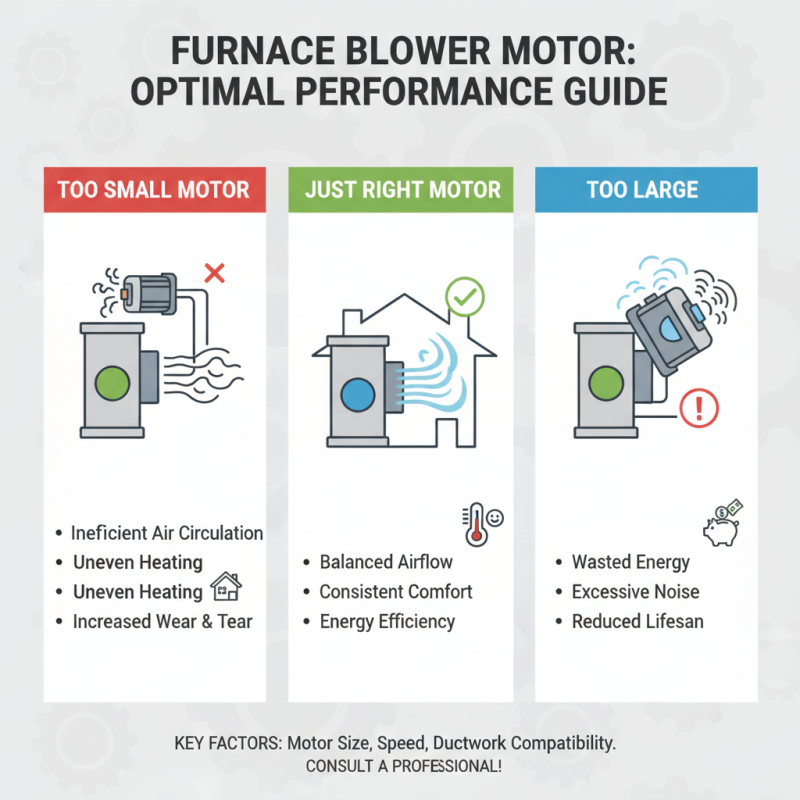
Choosing the right furnace blower motor requires careful evaluation of motor size and speed. Selecting a motor that fits your heating system is crucial for efficiency. A motor that is too small may struggle to circulate air, leading to uneven heating. Conversely, an oversized motor can waste energy and create excessive noise.
When evaluating motor speed, consider how it influences airflow. Motors typically operate at various speed settings. A variable speed motor can adjust airflow based on demand. This adaptability can result in better energy efficiency. However, ensure the motor's speed aligns with your furnace's capacity. An incompatible speed may lead to poor performance.
It’s essential to factor in your home’s layout and size. The distance from the furnace to vents affects how much power you need. Sometimes, users overlook ductwork efficiency, which plays a role too. Duct leaks or blockages can hinder performance, regardless of motor quality. Pay attention to these details to optimize your heating system.
Tips for Ensuring Compatibility with Your Existing Heating System
Choosing a furnace blower motor requires careful consideration of your existing heating system. Begin by checking the specifications of your current motor. Note its voltage, horsepower, and RPM. Understanding these details ensures compatibility, as mismatched specifications can result in poor performance or damage.
It's also essential to assess the physical dimensions of the existing blower. Measure its width, length, and height. A motor that doesn’t fit properly can cause airflow issues. Don't overlook the mounting style; it should align with your furnace's design. If you're uncertain about the measurements or specifications, consult your furnace manual or a professional. Ignoring these aspects can lead to costly mistakes.
Lastly, consider the airflow capacity of the new blower motor. It should match your heating system’s requirements. Inadequate airflow might lead to inefficient heating. Research how different motors affect overall system performance. This process takes time but is vital for your comfort. When in doubt, it's wise to seek guidance from a heating specialist. This will ensure the motor you choose enhances your heating system rather than complicating it.



 Email
Email Whatsapp
 WeChat