Why Choose an Explosion Proof Ventilation Fan for Safety?
In hazardous environments, safety remains a paramount concern. Industries frequently face risks from flammable gases and dust. An effective solution for this dilemma is the "Explosion Proof Ventilation Fan." Industry expert Dr. Emily Carter emphasizes, “Choosing the right ventilation system can be the difference between safety and disaster.”
The role of these specialized fans cannot be understated. They are designed to operate without igniting flammable substances. By maintaining airflow and reducing harmful gas concentrations, they protect workers in explosive atmospheres. However, it is crucial to select the right type and size for specific applications.
While many facilities recognize the importance of safety, some may overlook critical details. Improper installation or maintenance can lead to failures in these systems. Investing in high-quality "Explosion Proof Ventilation Fans" and regular inspections is vital. Reflecting on safety practices can lead to improvements. Prioritizing effective ventilation is a choice that protects lives and property.
Understanding Explosion Proof Ventilation Fans: A Safety Essential
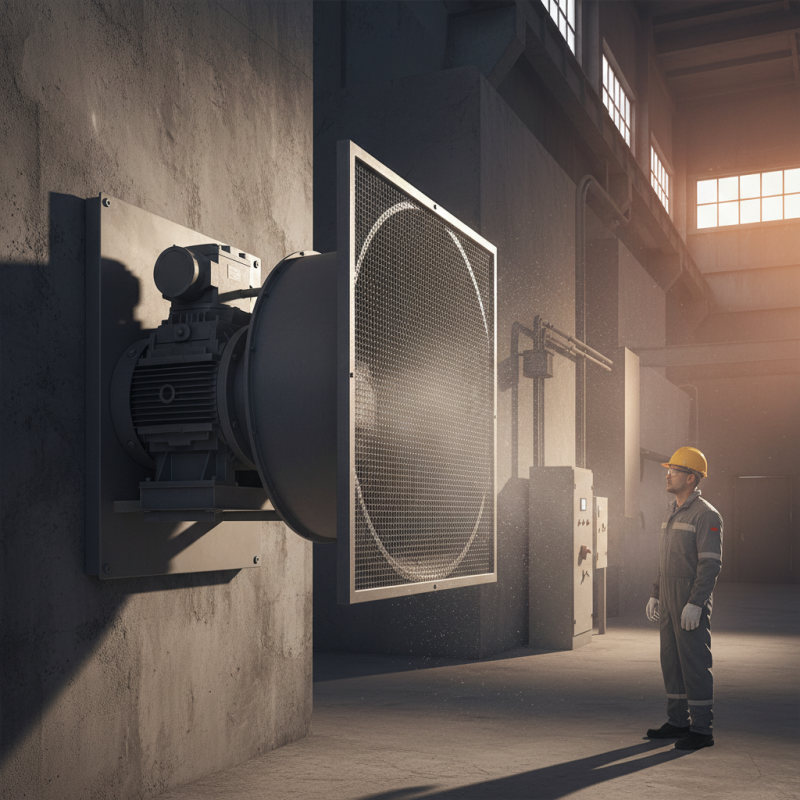
Explosion proof ventilation fans are crucial for enhancing safety in hazardous environments. These specialized fans are designed for areas where flammable gases or dust are present. Their construction prevents any ignition sources from sparking an explosion, which can be a significant risk in industrial settings. Understanding how these fans operate is essential for keeping workers safe.
Many workplaces in sectors like oil and gas, chemicals, and mining depend on these ventilation systems. They control air quality and remove harmful pollutants. Installing an explosion proof fan can significantly reduce the risk of accidents. However, not all environments are the same. It's vital to assess the specific hazards present. Some facilities underestimate potential risks, leading to inadequate safety measures. Regular training and maintenance are just as important as the equipment itself.
Knowledgeable staff should regularly check these systems. Over time, components can wear down, compromising safety. Even with the best equipment, complacency can lead to dangerous situations. Continuous education and awareness can help bridge this gap. A proactive approach ensures that all safety measures remain effective.
Key Features of Explosion Proof Ventilation Fans
Explosion proof ventilation fans are essential in hazardous environments. Their design prioritizes safety by preventing ignition during operation. These fans are built with sturdy materials, often featuring explosion-resistant housings. This protects internal components from external shocks and minimizes risks.
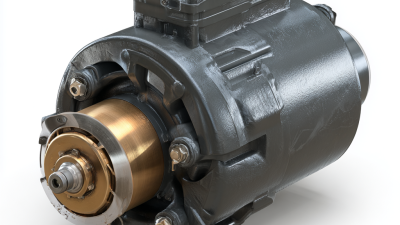
A key feature of these fans is their specialized motor design. They use spark-proof motors that do not produce sparks, a crucial factor in volatile atmospheres. Additionally, their airflow systems are engineered to avoid creating static electricity, reducing fire hazards. Furthermore, many models include thermal protection mechanisms. This feature shuts down the fan when overheating occurs, preventing potential explosions.
Installing explosion proof ventilation fans is a vital step in risk management. It's crucial to choose models that meet industry standards. Regular maintenance checks are necessary to ensure continued safety and reliability. Relying solely on product specifications can be misleading. Real-world performance often varies, requiring careful assessment of environmental conditions.
Explosion Proof Ventilation Fan: Key Features and Benefits
The Importance of Proper Installation and Maintenance
Proper installation and maintenance of explosion-proof ventilation fans is critical for safety in hazardous environments. According to the National Fire Protection Association (NFPA), 40% of workplace accidents occur in poorly maintained facilities. Regular inspections can reduce these risks significantly. Ensuring that fans are installed by trained personnel minimizes potential hazards, as incorrect installation can lead to severe consequences, including explosions or fires.
Maintenance routines should not be overlooked. The U.S. Occupational Safety and Health Administration (OSHA) indicates that more than 90% of equipment failures result from improper upkeep. Fan blades, motors, and electrical components need frequent checks. A report by the American Society of Mechanical Engineers (ASME) highlights that neglecting fan maintenance can increase energy costs by over 30%. It’s essential to document maintenance activities. This not only aids compliance but also enhances overall reliability.
Facilities must also ensure that ventilation fans are compliant with current safety standards. Non-compliance can lead to hefty fines and increased liability. Regular training for personnel on the importance of these systems is equally crucial. The most effective safety programs involve everyone. Each team member should understand their roles in maintaining a safe environment. Adopting a proactive approach is necessary, but gaps often exist. Reflecting on processes and outcomes will reveal areas needing attention.
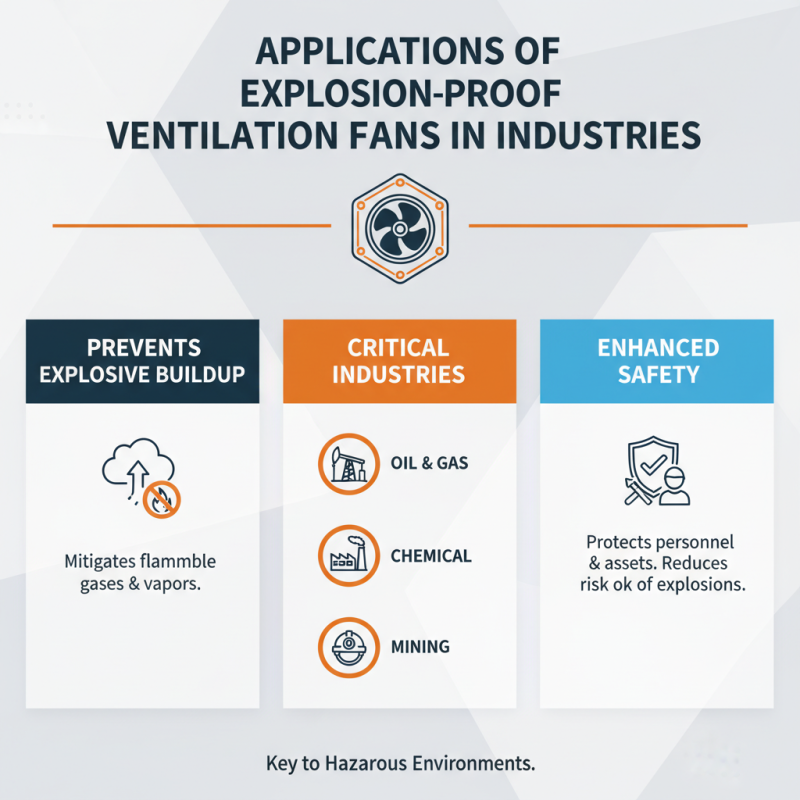
Applications of Explosion Proof Ventilation Fans in Industries
Explosion-proof ventilation fans are crucial in various industries prone to hazardous environments. These fans prevent the buildup of explosive gases and vapors. In the oil and gas sector, for instance, drilling rigs often deal with flammable materials. Proper ventilation can minimize risks and protect workers.
In chemical manufacturing plants, the presence of volatile compounds demands reliable airflow systems. Explosion-proof fans are specially designed to operate safely in these conditions. They help maintain a safe atmosphere by displacing harmful gases. Additionally, food processing facilities use these fans to remove dust and fumes. These functions ensure product quality while safeguarding employees' health.
Implementing explosion-proof ventilation is vital, yet some facilities may overlook maintenance. Regular checks are necessary for optimal performance. Additionally, workers must be trained to recognize potential hazards. Adopting a proactive approach will enhance safety and efficiency. The benefits are clear, yet constant vigilance is equally important for long-term safety.
Regulatory Standards and Compliance for Explosion Proof Equipment
When dealing with hazardous environments, compliance with regulatory standards becomes crucial. Explosion proof ventilation fans are designed to meet rigorous safety requirements. They undergo testing to ensure they can withstand explosive atmospheres. Such fans effectively reduce the risk of ignition from potential sparks.
Various organizations, like the National Fire Protection Association (NFPA) and the Occupational Safety and Health Administration (OSHA), set guidelines for explosion proof equipment. Their standards cover every aspect, from design to installation. Following these regulations can prevent devastating accidents. Choosing a fan that meets these standards is vital for workplace safety.
It’s essential to know that not all explosion proof fans are created equal. Some may not meet the stringent requirements for certain environments. Regular assessments and maintenance are necessary to ensure that equipment functions as intended. Organizations should continuously evaluate their equipment's integrity; overlooking this can lead to serious safety risks.
Why Choose an Explosion Proof Ventilation Fan for Safety? - Regulatory Standards and Compliance for Explosion Proof Equipment
| Feature |
Description |
Compliance Standards |
Applications |
| Explosion Proof Housing |
Built to withstand explosive environments without igniting hazardous materials. |
ATEX, NFPA, IECEx |
Chemical plants, oil refineries, grain handling facilities |
| High Efficiency |
Designed to move large volumes of air efficiently, reducing energy costs. |
CE, UL Listed |
Mining, petrochemical, waste treatment |
| Low Maintenance |
Designed for durable performance with minimal upkeep requirements. |
ISO 9001 |
Food processing, pharmaceutical, storage facilities |
| Versatile Installation |
Can be installed in various configurations to best suit the operational needs. |
NEC, CSA |
Industrial plants, construction sites, hazardous material storage |



 Email
Email Whatsapp
 WeChat