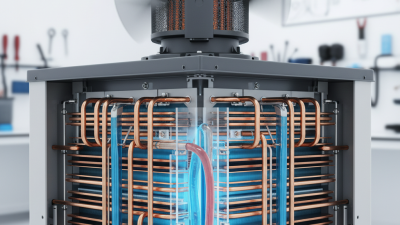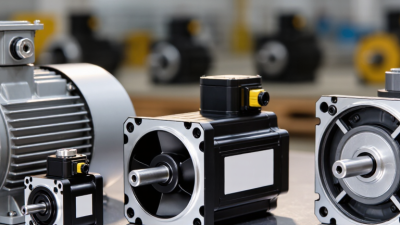


Choosing a Fan Motor For Ac Unit is not just a matter of matching a price or a product photo. The motor must suit the system’s voltage, horsepower, speed, rotation, frame, and mounting style. A small mismatch can mean a noisy startup, poor airflow, or another service call. Details matter.
HVAC educator Bryan Orr is known for practical, measurement-led troubleshooting. A useful takeaway from that approach is: “Check the system before blaming the motor.” This is an editorial paraphrase, not a verbatim quotation. It reflects a sound habit: inspect the existing motor label, wiring, capacitor requirements, and fan blade before ordering a replacement. If the label is faded, take a clear photo and record every readable number. Don’t guess.
This guide introduces seven practical tips for choosing the right replacement. It covers compatibility, motor type, speed options, efficiency, durability, installation needs, and supplier support. A motor that looks identical may still differ electrically or mechanically. That is easy to overlook when a unit is hot and a replacement is needed quickly. I would not treat a listing title as proof of fit; verify the specifications against the equipment documentation or a qualified technician’s assessment. The right choice should start reliably, move air as intended, and fit without improvised changes. A little doubt is useful here. It prompts a second check before the order goes in.
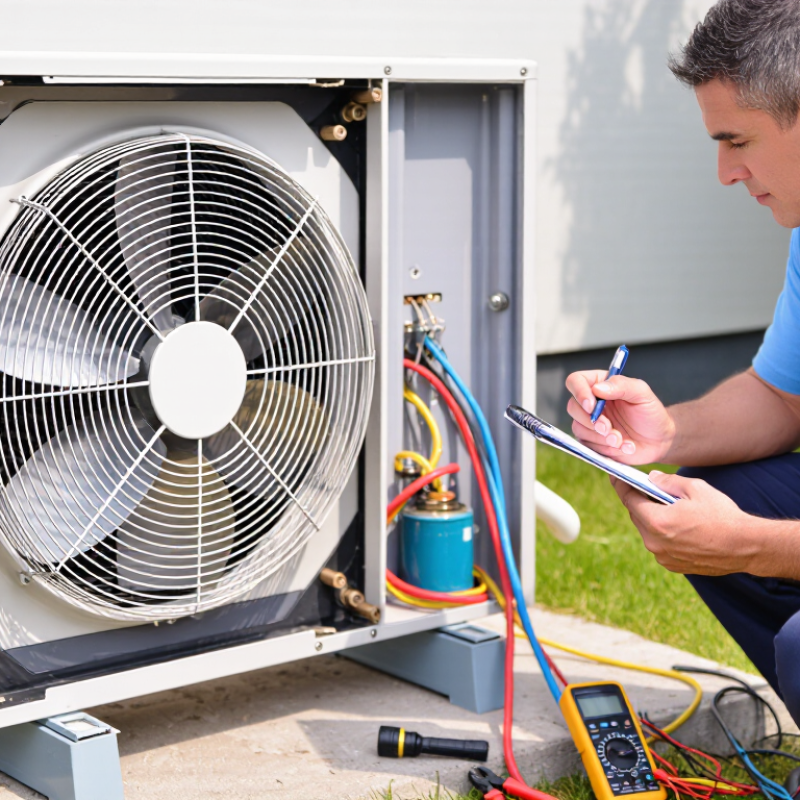
An AC fan motor moves air across the indoor coil or through the outdoor condenser. If it runs too slowly, airflow can fall and cooling performance may suffer. If it fails, the unit may overheat or stop moving air. Small part. Big effect.
The U.S. Energy Information Administration’s 2020 Residential Energy Consumption Survey found that 88% of U.S. households used air conditioning. That widespread use makes correct motor matching more than a maintenance detail.
Most replacement choices involve a permanent split capacitor motor, or PSC, and an electronically commutated motor, or ECM. PSC motors usually run at selected fixed speeds and use a capacitor. ECMs use electronic controls and can vary speed, but they must match the system’s control signals. Neither type is automatically the right upgrade.
Check the unit’s wiring diagram and motor label for voltage, horsepower, RPM, rotation, shaft size, and mounting pattern. A faded label can make this harder. Take clear photos before removal, and compare the exact specifications with the equipment documentation. A motor that fits physically may still have the wrong electrical or control characteristics.
When details conflict, have a qualified HVAC technician verify compatibility rather than guessing from appearance alone.

Choosing an AC unit fan motor starts with the data plate, not guesswork. Check the motor’s frame size, shaft diameter, mounting pattern, and horsepower against the original specifications. A motor that looks similar may not fit the bracket or drive the fan correctly. Measure carefully, especially if the old label is faded. Small details matter.
Tip: Match voltage and phase exactly, then confirm the motor’s rated speed in revolutions per minute. A wrong voltage can damage the motor, while an unsuitable speed may reduce airflow or strain the system. Check the unit manual or wiring diagram, too. Do not guess. If the information is missing, ask a qualified HVAC technician to verify it before buying.
Rotation matters just as much. Compare the required clockwise or counterclockwise direction, viewed from the shaft end, with the motor’s label or instructions. Some motors allow rotation changes; others do not. Also confirm that the fan blade can be installed in the correct position. I’ve seen “almost matching” replacements create extra noise and poor airflow, so rechecking the specifications is worth the pause. Disconnect power before inspecting the unit, and leave wiring or installation work to a qualified professional if you are unsure.
| Tip | What to Check | Example or Guidance | Why It Matters |
|---|---|---|---|
| 1. Match the motor type | Identify whether the existing motor is a condenser fan motor, indoor blower motor, or another motor type. Check its nameplate and the unit service documentation. | A condenser fan motor moves air through the outdoor coil; an indoor blower motor circulates air through the duct system. | Motors designed for different locations and duties are not automatically interchangeable. |
| 2. Confirm motor size and mounting | Compare the frame or mounting style, body dimensions, shaft diameter, shaft length, and mounting-hole pattern with the original motor. | Measure the shaft and mounting points; do not choose by horsepower or appearance alone. | A motor that does not fit securely may misalign the fan or prevent the housing from closing properly. |
| 3. Match voltage and electrical supply | Read the motor nameplate for rated voltage, phase, and frequency, then verify compatibility with the equipment and wiring diagram. | Many residential systems use single-phase power, but the correct motor voltage must be confirmed from the specific unit and motor labels. | An incorrect electrical rating can cause poor operation, overheating, or motor failure. |
| 4. Choose the correct speed and RPM | Match the rated RPM and required operating speed or speed settings specified for the equipment. | A replacement should meet the original motor’s specified speed; do not assume that a higher RPM is an upgrade. | Fan speed affects airflow, noise, and system performance. |
| 5. Verify rotation and airflow direction | Check the motor’s rotation marking and the fan blade’s required direction. Follow the equipment documentation and motor markings. | Rotation descriptions can depend on the viewing side, so confirm the reference point rather than relying on “clockwise” or “counterclockwise” alone. | Incorrect rotation can reduce airflow even when the motor runs. |
| 6. Check horsepower, current, and capacitor requirements | Compare horsepower and nameplate current, and confirm the required capacitor type and capacitance where applicable. | Use the capacitor rating specified for the replacement motor; a capacitor that looks similar may have a different rating. | Electrical ratings must be compatible with the motor and the system’s controls. |
| 7. Compare duty rating and environmental protection | Check that the motor is rated for the application, operating temperature, and exposure conditions; review its enclosure and duty information. | An outdoor condenser motor must be suitable for the conditions in which it will operate. | The right application rating helps the motor operate reliably in its intended environment. |
Always use the equipment and motor nameplates and manufacturer service documentation to confirm specifications. Disconnect power before inspection; motor replacement and wiring should be handled by a qualified technician.
When comparing AC fan motors, look beyond horsepower. A motor that draws fewer watts while maintaining the required airflow can reduce operating costs, but check its rated speed and compatibility with the unit. The U.S. Department of Energy’s 2014 motor-systems sourcebook reports that motor-driven systems use about 68% of electricity in U.S. manufacturing. That figure is not specific to residential air conditioners, but it shows why motor efficiency deserves attention. Compare input watts under equivalent operating conditions. Measure it, don’t guess.
Durability depends on more than a heavy-looking casing. Check the duty rating, bearing design, insulation rating, and suitability for heat and moisture near the outdoor coil. Sealed bearings may help where dust or dampness is common, though no design removes the need for proper installation and maintenance. Noise needs a practical check, too: compare sound ratings only when test conditions match, then listen for vibration or bearing hum after installation. A quiet motor can still transmit noise through a loose bracket. I would not choose by decibels alone; mounting and airflow can change what people hear indoors.
References: U.S. Department of Energy, Improving Motor and Drive System Performance: A Sourcebook for Industry (2014); motor nameplate and performance data for the specific unit.
Confirm compatibility before buying an AC unit fan motor. Check the unit’s model and serial numbers, then compare them with the motor’s specifications or service documentation. Match voltage, horsepower, speed, rotation direction, and shaft size. A motor that physically fits may still run at the wrong speed or fail to connect safely. Small details matter.
Tip: Photograph the old motor’s label and wiring before removal. Compare its mounting pattern, shaft length, capacitor requirements, and wire connections with the replacement. Do not rely on appearance alone; two motors can look nearly identical but have different electrical ratings. If the label is damaged, use the unit’s documentation or ask a qualified HVAC technician to verify the part.
It is tempting to choose the quickest, cheapest match. I have to remind myself that “close enough” can mean poor airflow, excess noise, or overheating. Disconnect power before inspecting anything, and never guess at wiring. If the replacement requires different connections or specifications, pause and confirm the correct setup. A careful check now can prevent a frustrating return visit later.
Before buying an AC fan motor, confirm its voltage, horsepower, rotation, shaft size, and mounting pattern against the existing unit’s specifications. A motor that looks right may still cause poor airflow or extra strain if one detail differs. Check whether the installation requires a compatible capacitor or new wiring. If the wiring diagram is unclear, stop and ask a qualified HVAC technician; guessing can damage equipment or create a safety hazard.
Think about the work after installation, too. Leave enough room to reach the motor and clean nearby dust from the fan area. Check the manual for lubrication requirements, since many sealed bearings should not be oiled. Watch for new vibration, rubbing, or unusual noise. Small clues matter. Review the warranty before purchase: coverage may depend on installation conditions, proof of purchase, or specific maintenance steps. Keep receipts and service notes together. It is easy to overlook that paperwork when a repair feels urgent. A motor with a slightly higher price may be more practical if its warranty terms and maintenance needs suit your system and your ability to service it.