Leave Your Message

Why Is My AC Blower Motor Not Working?

When your air conditioner runs but no air reaches the vents, the Ac Blower Motor may be the problem. You might hear a faint hum, notice warm rooms, or find the indoor unit completely silent. Those details matter. A stopped blower can result from a failed motor, damaged wiring, a faulty capacitor, or a control issue. The symptom alone cannot confirm the cause.

HVAC service experience also calls for caution with expert quotations. No verified source was provided for a named specialist’s exact words, so this introduction does not invent one. A useful diagnostic principle is simple: “Check the cause before replacing the motor.” A technician should inspect the unit’s power, controls, airflow, and motor components before recommending repairs. Some checks require electrical training. Do not open energized equipment. Small clues help, though: a clogged filter, a burning odor, or a breaker that trips repeatedly can change the diagnosis. And sometimes, the first guess is wrong. That is worth remembering.

This guide explores why an Ac Blower Motor may stop working, what signs to watch for, and when to call a qualified HVAC professional. You will learn how routine maintenance can reduce strain on the system, while keeping expectations realistic: not every blower problem has a quick fix. A careful diagnosis is safer and often prevents unnecessary part replacement.
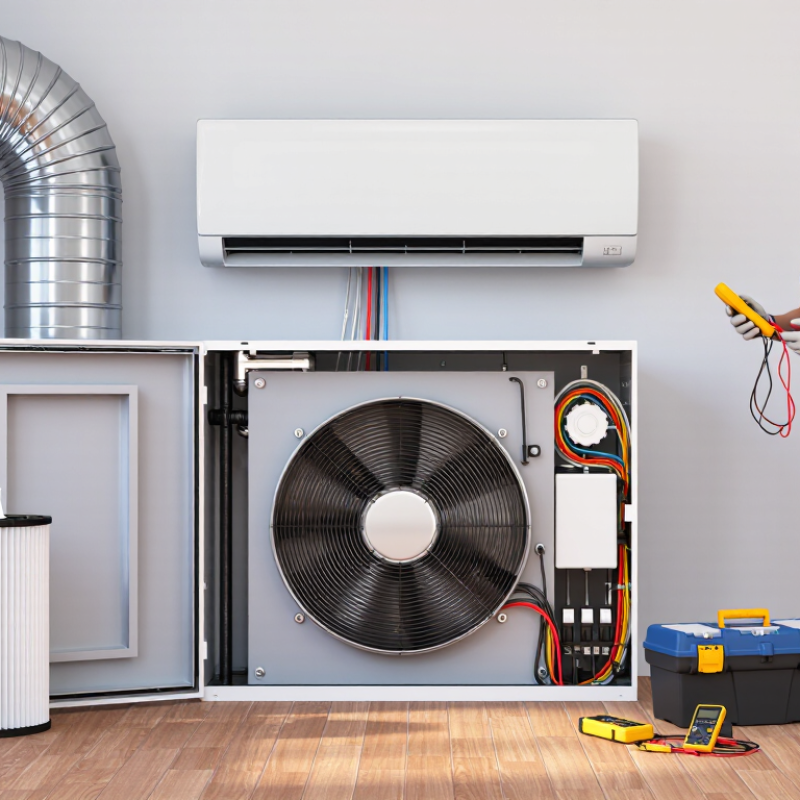
Why Is My AC Blower Motor Not Working?

How the AC Blower Motor Moves Air Through the System

Why Is My AC Blower Motor Not Working?

How the AC Blower Motor Moves Air Through the System

The blower motor pulls return air through a grille and pushes it across the indoor coil. Refrigerant cools the coil; the moving air then carries that cooling through supply ducts and into rooms. You can often feel this airflow at a vent. Weak or absent airflow may point to a failed motor, but a clogged filter, electrical fault, or frozen coil can produce similar symptoms.

Air needs a clear path. A dirty filter adds resistance, while blocked returns can starve the blower of air. The U.S. Department of Energy’s Energy Saver guidance estimates that typical homes lose 20–30% of duct air through leaks, holes, or poor connections. That figure describes duct losses, not motor failure, but it shows why a working blower alone cannot guarantee good airflow.

When the blower stops, listen for humming, clicking, or silence, and check whether the filter is heavily loaded. These clues are useful, not conclusive. A technician can measure airflow and electrical operation instead of guessing from sound alone. That distinction matters. I might be tempted to blame the motor first, but that can miss a simple restriction—or overlook a wiring problem that needs professional testing.

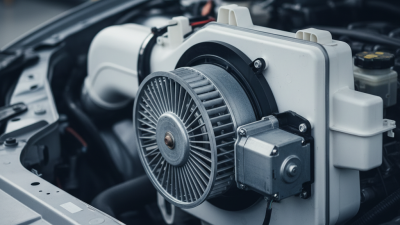
Common Causes of a Blower Motor Failure

When the cabin fan stops blowing, the motor may be at fault, but it is not the only suspect. A silent blower can also point to a blown fuse, a failed relay, damaged wiring, or a faulty speed-control component. Check whether the fan works at any setting. If it runs only on high, a resistor or electronic control module may be failing.

Blower motors wear out over time. Worn brushes or dry, noisy bearings can cause intermittent operation before the fan stops completely. You might hear a squeal, feel vibration behind the dashboard, or notice the fan slowing down. A heavily clogged cabin air filter can restrict airflow and make the system work harder, though it does not prove the motor has failed. Easy to misread.

Moisture, loose electrical connections, and corrosion can interrupt power to the motor. A technician can check the fuse, voltage, ground, and motor operation before replacing parts. That order matters; replacing a motor without testing its circuit can waste money. If you inspect the fuse yourself, use the vehicle’s manual and the specified fuse rating. Do not install a higher-rated fuse. When the fan works only sometimes, note which speeds fail and whether bumps or temperature changes affect it. That small detail can help narrow the cause.

Symptoms That Point to a Blower Motor Problem

A blower motor problem often shows up as weak or missing airflow, even when the AC feels cold. You may hear the fan running, yet only a thin stream reaches the vents. In other cases, the fan works on high but not on lower settings. That pattern can point to a resistor or control fault, not necessarily the motor itself. No single symptom proves the cause.

Listen for a rough hum, squeal, or rattle behind the dashboard when you change fan speeds. Airflow that cuts in and out over bumps may suggest a loose connection or worn motor, though other electrical faults can behave similarly. A dusty cabin filter can also reduce airflow, so check it before assuming a major repair is needed. If the fan stops completely, or you notice a hot, electrical smell, switch it off and arrange an inspection. It is tempting to blame the motor too early. A technician can test the circuit and motor directly, rather than replacing parts based on sound alone.

Why Is My AC Blower Motor Not Working? - Symptoms That Point to a Blower Motor Problem

Symptom Possible cause What the symptom may indicate Practical next step
No airflow from any vents Blower motor, fuse, relay, wiring, or control problem If the system is set to fan-only and no air moves at any speed, the fault may be in the blower circuit. A failed motor is one possibility, but not the only one. Check the relevant fuse using the vehicle or equipment manual. If it is intact, have the power supply, ground, controls, and motor tested.
Airflow works only on some fan speeds Blower motor resistor or electronic speed controller On systems with a resistor, individual speed settings can stop working when a resistor circuit fails. Systems with electronic controls may use a different type of speed controller. Note which settings work and share the pattern with a technician. Confirm the control type before replacing parts.
Fan starts intermittently or after a delay Worn motor, loose connection, or failing control component A motor with worn internal components may work inconsistently, but loose wiring or a faulty connector can produce similar behavior. Arrange an inspection soon, especially if the fan cuts out while driving or while the system is needed for defogging.
Rattling, squealing, or grinding near the blower Debris in the fan, damaged fan wheel, or worn motor bearings Noise that changes with fan speed can come from the blower assembly. Leaves or other debris may be present, but persistent grinding may indicate mechanical wear. Turn the fan off if the noise is severe. Have the blower area inspected rather than reaching into the fan assembly.
Airflow is weak at every speed Restricted cabin air filter, obstructed intake, weak motor, or airflow-system issue Weak airflow does not by itself confirm a bad motor. A clogged filter or blocked air intake can reduce airflow even when the motor runs. Check the filter and intake as directed in the manual. If airflow remains weak, request a full airflow and blower assessment.
Fan runs, but the air is not cold Cooling-system issue rather than a blower-motor failure If air moves normally but is warm, the blower is operating. The cause may involve the refrigeration or temperature-control system. Have the cooling system diagnosed separately; do not assume that replacing the blower motor will restore cooling.
Burning smell or smoke while the fan is running Overheating motor, damaged wiring, or another electrical fault A hot electrical smell can indicate a serious fault and should not be treated as a routine fan problem. Switch the system off. If there is smoke or a strong burning smell, stop using it and seek prompt professional inspection.

Diagnostic note: Symptoms can overlap. A qualified technician can test the fuse, wiring, controls, motor, and airflow path before replacing components.

How to Diagnose a Nonworking AC Blower Motor

When the AC fan is silent, or only works on one speed, diagnose the circuit before replacing the blower motor. Check whether other climate controls respond and listen for a faint hum behind the dashboard. A weak airflow can also come from a clogged cabin filter, so inspect it before assuming the motor has failed. Diagnosis is not always neat; one symptom can point to several faults.

Check the blower fuse and replace it only with one of the same rating. If it blows again, stop and have the circuit inspected. With a multimeter, a qualified person can check for power and ground at the motor while the fan is switched on. Power and ground present, but no movement? The motor may be faulty. No power? The fuse, wiring, speed resistor, or control module may be involved. Disconnect power before removing panels, and keep fingers clear of the fan wheel.

Tips: Note which speeds work and whether the fan starts after a bump; these details help narrow the fault. Don’t tap the motor and treat a brief restart as a repair. It may only be a clue. If electrical testing feels unfamiliar, ask a technician to check the circuit safely.

Why Is My AC Blower Motor Not Working? — How to Diagnose It

Use these typical voltage-drop limits as a guide when testing a 12-volt blower circuit under load. Vehicle-specific service information takes priority.

Set the blower to HIGH and keep the circuit connected while testing. Measure voltage drop across the power side and then the ground side. A reading above the applicable limit suggests excess resistance in that part of the circuit. If the motor receives adequate voltage but does not run, the motor itself may have failed; also check the fuse, relay, resistor or control module, and wiring.

Repairing or Replacing the Blower Motor and Related Parts

When an AC blower stays silent, test the circuit before ordering a motor. Check the breaker, fuse, thermostat setting, and wiring for heat damage or loose terminals. A humming motor may have a seized wheel, failed capacitor, or worn bearings. No sound can point to a control fault or an open winding. The symptom alone is not a diagnosis.

For residential systems, a technician can measure voltage and current, inspect the blower wheel, and test the capacitor where fitted. Replace a failed capacitor or damaged connector when the motor itself passes testing. If the motor is noisy, overheats, or draws excessive current, replacement may be more reliable than repeated repairs. Match the replacement to the system’s specifications, including speed and control type. Turn off power before inspection; capacitors can retain a charge. The U.S. Department of Energy’s Energy Saver guidance says replacing a dirty filter can reduce an air conditioner’s energy use by 5% to 15%. Restricted airflow can strain the blower, so inspect the filter and ducts too. Even experienced technicians can miss an intermittent fault on the first visit; documenting when it occurs helps narrow the cause.