What Are the Top Types of Furnace Blower Motors?
Choosing a furnace blower motor is not a minor maintenance decision. It affects airflow, comfort, noise, and household energy use. The U.S. Department of Energy reports that heating and cooling represent nearly half of a typical American home’s energy consumption. That makes motor efficiency more important than its small cabinet size suggests.
David Richardson, a technical trainer with the National Comfort Institute, describes the blower as “the heart of the HVAC system.” His point is practical. A weak motor can leave warm air trapped near the furnace, while poor airflow may create cold rooms, noisy vents, or repeated limit-switch trips. The right Furnace Blower Motor must match the furnace controls, wheel design, duct resistance, and required airflow.
This guide examines the leading motor types, including permanent split capacitor motors, electronically commutated motors, and variable-speed designs. ENERGY STAR and AHRI guidance both emphasize system efficiency, correct sizing, and proper installation. Those factors matter more than marketing labels alone.
There is no universal winner.
A PSC motor may offer a lower replacement cost and simpler controls. An ECM can adjust output more precisely and often reduce electrical consumption during partial-load operation. However, ECM repairs may cost more, and savings depend on actual run time, duct condition, and programming. The categories also overlap, which can confuse homeowners and inexperienced technicians.
This comparison uses manufacturer specifications, DOE energy guidance, and field-service considerations. It also questions a common assumption: the most advanced motor is not always the best choice. A furnace in a dusty attic may need reliability before sophistication.
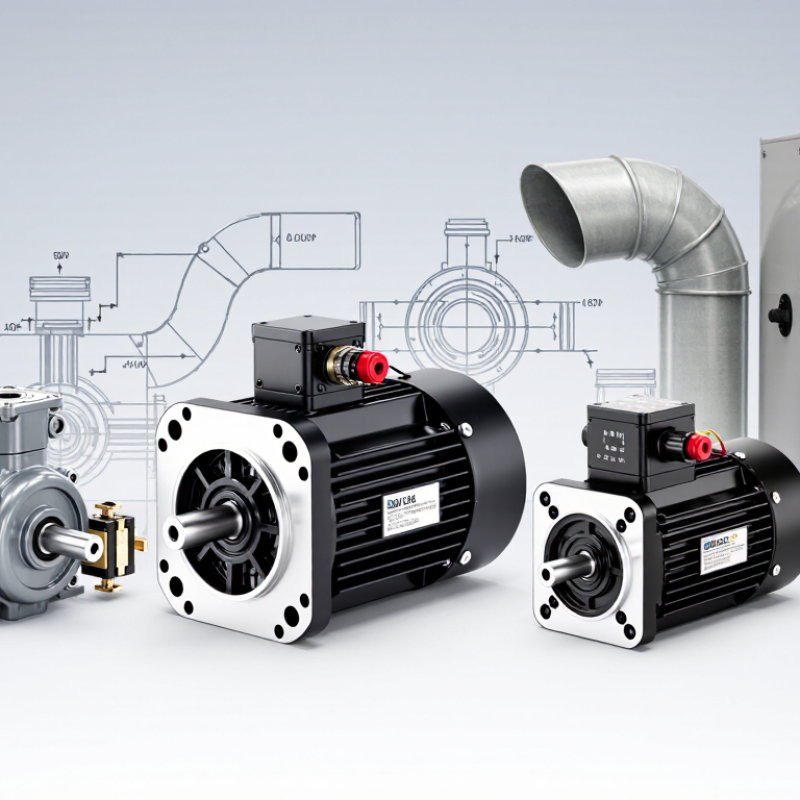
Understanding the Role of a Furnace Blower Motor
What Are the Top Types of Furnace Blower Motors?
A furnace blower motor moves heated air through the supply ducts and returns cooler air to the furnace. Its work affects comfort, noise, filter performance, and heat-exchanger safety. Without steady airflow, the furnace may overheat and shut down repeatedly. It is a simple role, but not a minor one.
The main motor types are permanent split capacitor (PSC), constant-torque ECM, and variable-speed ECM motors. PSC motors use a fixed speed and usually cost less. However, they can draw more electricity during long heating cycles. The U.S. Department of Energy’s Furnace Fan Efficiency Standards Technical Support Document estimates that residential furnace fans may consume about 800 kilowatt-hours annually. That figure shows why motor selection matters.
ECM motors adjust output more precisely. DOE technical analyses commonly associate electronically commutated motors with roughly 30–50% lower fan electricity use than comparable PSC motors, depending on operating conditions. The ASHRAE Handbook also emphasizes airflow control as essential for thermal comfort and equipment reliability. In practice, a variable-speed motor can start gently, maintain steadier airflow, and reduce sudden temperature swings. Quiet operation helps, too.
But efficiency ratings can mislead. A high-efficiency motor cannot correct undersized ducts, a clogged filter, or poor installation. That assumption is often wrong. Technicians should measure airflow, static pressure, and temperature rise before recommending a replacement. A small measurement error may become a large comfort problem.
Top Types of Furnace Blower Motors
A comparison of common furnace blower motor technologies by control capability and operating efficiency.
PSC motors are simple, reliable, and commonly used in single-speed or multi-speed furnace systems, but they typically consume more electricity than electronically commutated motors.
Constant-torque ECM motors electronically adjust torque to maintain more consistent airflow as system resistance changes, improving comfort and efficiency.
Variable-speed ECM motors provide the most precise airflow control, gradual speed changes, quieter operation, and generally the highest efficiency among common furnace blower motor types.
Control capability is rated on a 1–5 comparative scale based on airflow modulation and load-response capability. Efficiency values represent typical motor-level ranges and can vary by design, load, and operating conditions.
Examining Variable-Speed ECM Motors
Variable-speed ECM motors are increasingly important in furnace blower design. Unlike single-speed PSC motors, they adjust airflow gradually as heating demand changes. The motor may run quietly at low speed during mild weather, then increase output when a room feels cold. That smoother control can reduce drafts and cycling noise.
The U.S. Energy Information Administration’s 2020 Residential Energy Consumption Survey reports that space heating represented about 42% of household energy use. Blower efficiency therefore deserves practical attention. U.S. Department of Energy technical analyses commonly place ECM motor efficiency near 80% to 90%, while traditional PSC motors often operate closer to 60%. Actual savings vary with duct pressure, filter condition, airflow settings, and runtime. The motor is not magic.
During service inspections, technicians should check static pressure, capacitor-free ECM controls, wiring connections, and programmed airflow. A clogged filter can force a variable-speed motor to work harder, reducing expected savings. Poor duct design creates the same problem. Field conditions matter more than brochure figures. That is easy to overlook.
ECM systems also improve comfort by maintaining steadier airflow across changing loads. They can support better humidity control when correctly configured. However, replacement costs are usually higher, and electronic controls may require more specialized diagnosis. The Air Conditioning Contractors of America emphasizes proper airflow measurement and duct evaluation in residential HVAC commissioning guidance. Without those checks, even an efficient motor may deliver disappointing results. Technicians should record temperature rise, static pressure, and operating watts before judging performance. Data exposes assumptions.
Comparing PSC and ECM Motor Performance
PSC and ECM motors remain the leading furnace blower choices. PSC motors use fixed-speed operation and rely on a capacitor. They are simple, affordable, and familiar to many technicians. However, they draw nearly full power whenever energized. Airflow can also change noticeably as filters become dirty or duct resistance increases.
ECM motors use electronic controls and can adjust speed more precisely. They usually improve comfort during low-speed circulation and reduce starting noise. U.S. Department of Energy Building America guidance reports that ECM blowers may use roughly 20–30% less fan energy than PSC designs, depending on controls, airflow, and operating hours. That figure is useful, but not universal. Poor commissioning can erase part of the gain. One caveat.
Tips: Check the furnace’s actual airflow requirement before choosing a motor. Measure static pressure, temperature rise, and amperage after installation. A high-efficiency ECM can still perform poorly with undersized ducts or a heavily loaded filter. PSC motors may make more financial sense in basic, low-use systems. ECM motors fit homes needing quieter operation, steadier airflow, and longer daily runtime. Technicians should also verify replacement programming, because an incorrect speed setting can create cold rooms, excessive noise, or coil icing. The decision is not purely about efficiency; repair complexity and local service skills matter too.
Selecting the Right Blower Motor for Your Furnace
Selecting the Right Blower Motor for Your Furnace
Choosing a furnace blower motor requires more than matching horsepower. Check the furnace’s
voltage, rotation, shaft length, mounting pattern, and rated speed.
The replacement must also support the system’s airflow and static pressure. A motor that fits physically may still perform poorly. It could overheat, create noise, or leave rooms unevenly heated.
PSC motors are common in older furnaces and often use a separate capacitor.
ECM motors can adjust speed more precisely, improving comfort and reducing electrical use in suitable systems. However, an ECM replacement may require compatible controls and careful programming.
It is easy to overvalue horsepower. That shortcut can mislead. The original data plate and service documentation usually provide better guidance than appearance alone. When information conflicts, a qualified HVAC technician should test voltage, capacitor condition, amp draw, and airflow before installation.
Tips:
- Photograph the wiring before removal.
- Record the motor’s rotation and speed settings.
- Match the capacitor’s microfarad rating exactly.
- Never assume a universal motor is truly universal.
- Listen for bearing hum or vibration after installation, then confirm steady airflow from several registers.
- A slightly quieter motor is not automatically better if airflow drops.
- In some older systems, efficiency claims may also be less predictable because duct leakage and restricted filters affect the final result.
- Expect a little investigation.



 Email
Email Whatsapp
 WeChat