Top 10 Fan Motors for Home Use That Maximize Efficiency and Comfort
In today's fast-paced world, achieving optimal comfort at home is more crucial than ever, and one of the most effective ways to enhance indoor air quality and temperature control is through the use of fan motors. As industry expert Dr. Helen Summers states, "The efficiency of fan motors directly impacts the overall comfort of a living space, making them an essential component for any home." With advancements in technology, the market offers a plethora of fan motors designed to maximize both efficiency and comfort, catering to diverse needs and preferences.
Selecting the right fan motors can make a significant difference in energy consumption and cooling effectiveness. With the right choices, homeowners can optimize their indoor environments while reducing energy bills. This article delves into the top ten fan motors for home use, examining their features and benefits, and highlighting why they are deemed essential for anyone seeking to enhance their living conditions. By understanding the nuances of fan motors, consumers can make informed decisions to improve their home atmosphere and overall well-being.
Types of Fan Motors Suitable for Home Use
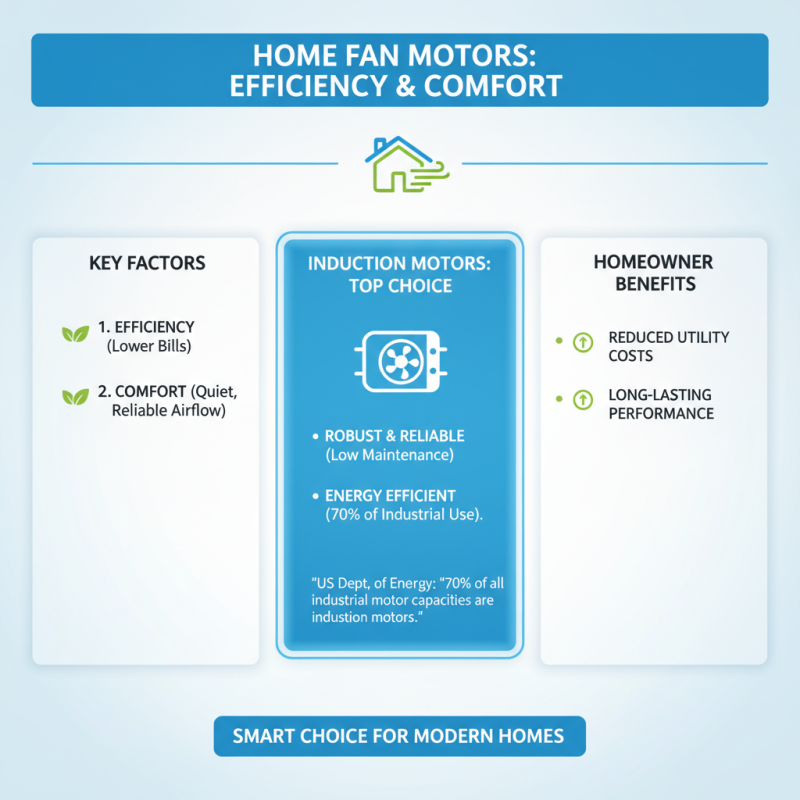
When selecting fan motors for home use, the efficiency and comfort they provide are paramount. There are several types of fan motors that cater to different requirements and environments. Induction motors are among the most popular choices due to their robustness and reliability. According to a report from the U.S. Department of Energy, induction motors account for approximately 70% of all industrial motor capacities, demonstrating their efficiency not just in commercial applications but also in home settings. These motors require less maintenance and offer improved energy consumption, which is crucial for homeowners looking to reduce their utility bills.
Another type of fan motor is the DC brushless motor, which has gained popularity in residential ceiling fans and portable units. These motors are known for their energy efficiency, with some models consuming up to 70% less energy than traditional AC motors, as reported by the Energy Star program. The quieter operation and longer lifespan of DC motors also enhance the comfort level in living spaces, making them an excellent choice for bedrooms and nurseries. As energy efficiency becomes increasingly important, understanding the various types of fan motors can aid consumers in making informed decisions that enhance both comfort and sustainability in their homes.
Key Efficiency Features in Home Fan Motors
When selecting a fan motor for home use, it's crucial to focus on efficiency features that enhance both performance and comfort. Modern fan motors are designed with energy efficiency in mind, utilizing technologies such as brushless DC motors which can reduce energy consumption by up to 70% compared to traditional AC motors. According to the Department of Energy, ceiling fans equipped with energy-efficient motors can significantly lower cooling costs during warmer months, making them an essential component for any energy-conscious homeowner.
One key feature to consider is the motor’s ability to operate quietly while maintaining airflow. Many efficient fan motors are designed with noise reduction technologies that minimize operational sound levels, improving the overall comfort in living spaces. Furthermore, variable speed settings allow users to customize airflow, optimizing comfort without sacrificing energy usage. A report from the American Council for an Energy-Efficient Economy indicates that adjusting the fan speed can lead to a reduction in energy use by 20-30% during peak usage times.
Tips for maximizing comfort and efficiency include regularly cleaning the fan blades to ensure optimal airflow and periodically checking the motor for wear and tear. Additionally, using fans in conjunction with air conditioning can help circulate cool air more effectively, enhancing comfort while keeping energy costs down. Configuring the fan to rotate counterclockwise in summer and clockwise in winter can also contribute to increased energy savings and improved climate control throughout the year.
Top 10 Home Fan Motors Energy Efficiency Comparison
Choosing the Right Size for Optimal Airflow
Choosing the right size fan is crucial for achieving optimal airflow in your home. A fan that is too small will struggle to circulate air effectively, leaving certain areas warm and uncomfortable. On the other hand, a fan that is excessively large for the space can create a draft that may be undesirable. Understanding the dimensions of your room is the first step in selecting the appropriate fan size. For example, smaller rooms may benefit from compact ceiling or table fans, while larger spaces might require floor fans or larger ceiling fans to ensure even distribution of air.
When evaluating fan size, it’s also essential to consider the ceiling height and layout of your space. A fan should be mounted at a height that allows for maximum circulation while maintaining safety and comfort. If the ceilings are particularly high, longer blades or larger fans can help pull air down to where it's most needed. Additionally, room shape influences the airflow; fans placed strategically in corners or near airflow obstacles can enhance performance. Overall, selecting the right-sized fan based on your specific environment will significantly enhance efficiency and comfort in your home.
Top 10 Fan Motors for Home Use That Maximize Efficiency and Comfort
| Fan Model |
Power (W) |
Airflow (CFM) |
Noise Level (dB) |
Size (Inches) |
Energy Star Rated |
| Model A |
50 |
1300 |
35 |
30 |
Yes |
| Model B |
65 |
1500 |
40 |
36 |
No |
| Model C |
55 |
1400 |
38 |
32 |
Yes |
| Model D |
70 |
1600 |
42 |
40 |
No |
| Model E |
60 |
1550 |
36 |
34 |
Yes |
| Model F |
75 |
1700 |
45 |
42 |
No |
| Model G |
80 |
1800 |
50 |
48 |
Yes |
| Model H |
85 |
2000 |
55 |
52 |
No |
| Model I |
90 |
2100 |
60 |
56 |
Yes |
| Model J |
95 |
2200 |
65 |
60 |
No |
Comparing Energy Consumption of Popular Fan Motors
When it comes to home comfort, selecting the right fan motor can significantly influence both energy consumption and efficiency. Modern fans offer a range of motor options that vary in power usage, making it essential to evaluate their performance closely. Typical fan motors operate on different wattage levels, so understanding these differences can help in reducing electricity bills while maintaining a comfortable environment. Energy-efficient models, which often use brushless DC motors, are designed to consume less power while delivering reliable airflow, making them ideal for prolonged use in any home setting.
Tips for maximizing energy efficiency include setting your fan to rotate counterclockwise in the summer to create a cooling breeze and clockwise in the winter to circulate warm air evenly. Additionally, consider using a programmable timer to operate your fan only when necessary, aligning with your daily routine. Regular maintenance, such as cleaning the blades and checking for wear, helps keep the fan running optimally, which further prevents excess energy use.
Another factor to consider is the size of the fan in relation to the space it serves. A fan that is too small will work harder to cool an area, leading to higher energy consumption. Selecting the appropriate size not only enhances comfort but also ensures efficient power usage. By understanding the various motor types and following these tips, homeowners can enjoy the benefits of effective air circulation without compromising on energy efficiency.
Maintenance Tips for Extending the Life of Fan Motors
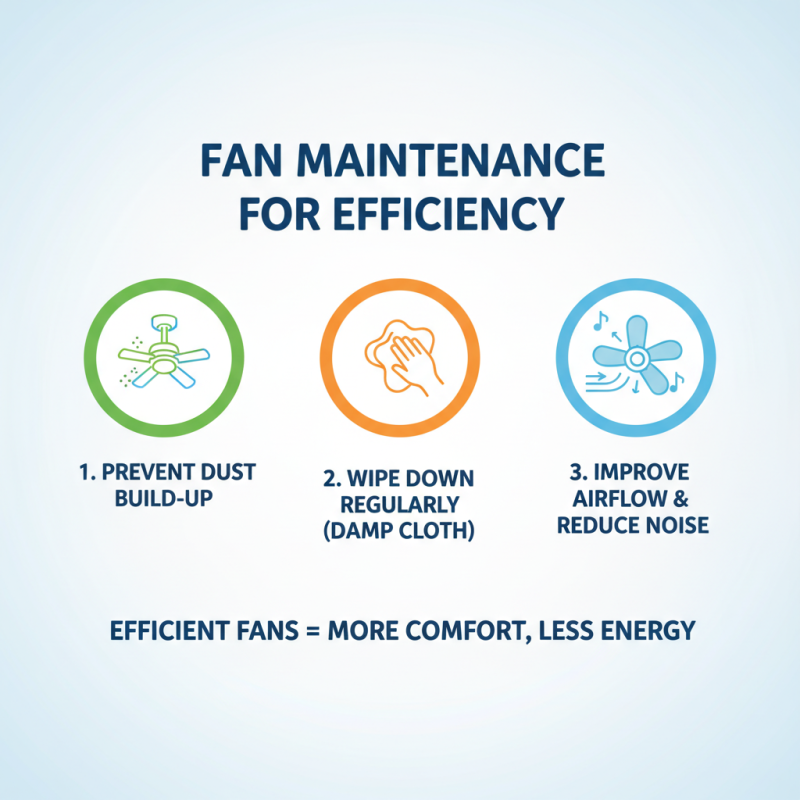
To ensure that your fan motors operate efficiently and provide maximum comfort, regular maintenance is essential. One key aspect of maintenance is to keep the fan blades and motor housing free from dust and debris. Dust accumulation can lead to reduced airflow and strain on the motor, resulting in inefficiency. A simple wipe-down with a damp cloth can work wonders, keeping your fan running smoothly and quietly.
Another effective tip is to lubricate the motor bearings periodically. This reduces friction and wear, promoting a longer lifespan for your fan motors. Check your user manual for specific lubrication recommendations and intervals. Additionally, be mindful of the placement of your fans. Ensure they are positioned away from direct sunlight and heat sources to prevent overheating and improve their overall efficiency.
Monitoring the operational sounds of your fan is also vital. Unusual noises can indicate potential issues that may require immediate attention. Timely intervention can prevent minor problems from escalating into significant repairs, thereby extending the life of your fan motors. By incorporating these maintenance tips into your routine, you can enjoy the comfort of your fans for many seasons to come.



 Email
Email Whatsapp
 WeChat