Top 10 Explosion Proof Blowers for Safe Industrial Use?
In the realm of industrial safety, choosing the right equipment is crucial. "Explosion proof blowers are essential for operations in hazardous environments," says Dr. Simon Wallace, a leading expert in industrial safety standards. His insights underscore the importance of reliable tools.
Explosion Proof Blowers are designed to prevent fires and explosions in volatile areas. They effectively manage air circulation in environments where flammable materials may be present. With a diverse range of options available, it's vital to select blowers that meet both safety regulations and operational needs.
Understanding the unique features of each blower can be challenging. Some models provide powerful airflow while maintaining energy efficiency. Others focus on durability and weather resistance. Experts recommend assessing your specific environment and usage requirements before making a purchase. The right choice can significantly enhance workplace safety and efficiency.
Understanding Explosion-Proof Blowers and Their Importance
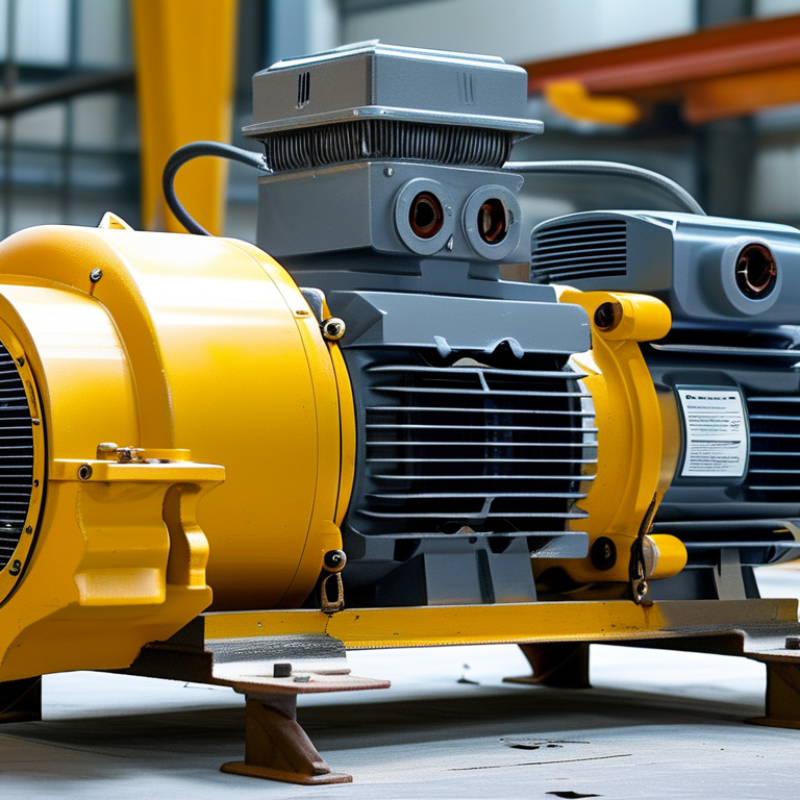
Explosion-proof blowers play a crucial role in industrial environments. They are designed to operate safely in hazardous areas where flammable gases or dust may exist. Using standard fans in these spaces poses significant risks. Therefore, specialized blowers help prevent ignition and ensure safety. Their construction meets strict standards, reducing hazards dramatically.
Understanding the mechanics behind these blowers is essential. They contain sealed components that prevent sparks from escaping. This detail may seem minor, but it is vital in a high-risk setting. Maintenance of these blowers also demands careful attention. Regular inspections help identify wear or damage that could compromise their safety features. Neglecting this aspect can lead to severe consequences.
Real-world applications demonstrate their importance clearly. Facilities that handle chemicals, for example, benefit immensely from using explosion-proof blowers. The right blower keeps air circulation safe and effective. However, choosing the right model can be challenging. Each environment is unique, and ventilation needs can vary. Thus, understanding specific requirements is key. It's an evolving field that requires constant reflection and adaptation to new safety standards and technological advancements.
Key Features to Look for in Explosion-Proof Blowers
When selecting explosion-proof blowers for industrial settings, several key features come into play. These blowers must meet stringent safety standards to minimize risks in hazardous environments. Look for certifications that confirm compliance with industry safety guidelines. A built-in thermal protection system can prevent overheating and ensure reliable operation.
Efficiency is another vital aspect. An optimal blower should deliver high airflow while consuming minimal energy. Fans should be constructed from durable materials, capable of withstanding harsh conditions. This ensures longevity and reliable performance under pressure.
Tips: Consider the noise level of the blower. Operating in a loud environment can lead to miscommunication and safety issues. Regular maintenance can prevent unexpected failures. Pay attention to the blower's weight. Heavier models may be harder to move, which can be a drawback in dynamic industrial settings. Balancing safety with practicality is crucial. Always consult with professionals to ensure you are choosing the right equipment for your specific needs.
Top 10 Explosion Proof Blowers for Safe Industrial Use
| Model |
Airflow (CFM) |
Power (HP) |
Weight (lbs) |
Noise Level (dB) |
Price ($) |
| Model A |
1000 |
1.5 |
50 |
75 |
1200 |
| Model B |
1500 |
2.0 |
60 |
80 |
1500 |
| Model C |
2000 |
3.0 |
70 |
85 |
1800 |
| Model D |
2500 |
4.0 |
80 |
90 |
2000 |
| Model E |
3000 |
5.0 |
90 |
95 |
2500 |
Top 10 Industrial Applications for Explosion-Proof Blowers
Explosion-proof blowers serve critical roles in various industrial applications. In environments where volatile substances are present, these blowers ensure safety while maintaining operational efficiency. Industries such as oil and gas, chemical manufacturing, and pharmaceuticals heavily utilize these devices. According to a report from the National Fire Protection Association (NFPA), explosions account for 25% of all major industrial incidents, highlighting the need for reliable equipment.
In the oil and gas sector, explosion-proof blowers are vital. These blowers manage flammable vapors and fumes during drilling and refining processes. With studies indicating that over 70% of oil and gas operations face explosive hazards, employing safety measures is crucial. The chemical production industry also relies on explosion-proof blowers. These devices efficiently handle harmful gases, ensuring clean air is maintained in workspaces.
In wastewater treatment facilities, explosion-proof blowers help stabilize biogas levels. Methane, a potent explosive, must be correctly managed. The Environmental Protection Agency (EPA) notes that improper gas management can lead to catastrophic failures. Within manufacturing, these blowers regulate processes that generate flammable dust. Manufacturers must address these hazards to uphold safety standards. Continuous improvements and regulatory updates are necessary, reflecting the evolving nature of industrial safety protocols.
Comparative Analysis of the Best Explosion-Proof Blower Brands
In industries where flammable gases and dust are common, explosion-proof blowers play a critical role. These devices help maintain a safe environment by effectively managing airflow in hazardous locations. When comparing different brands, several factors must be considered, such as construction material, motor type, and explosion-proof ratings. Each design caters to specific safety standards.
While some blowers excel in durability, others might not perform as well under intense conditions. It's crucial to recognize that not all blowers are equally suitable for every setting. For example, the airflow capacity may vary, impacting overall performance. Users need to assess their workspace requirements to choose wisely. In some cases, even well-reviewed models may show flaws in long-term usage.
Reliability is paramount when selecting an explosion-proof blower. Frequent maintenance issues can arise with certain brands. Understanding these imperfections allows for better decision-making. Researching user experiences can shed light on potential concerns. Ultimately, the ideal blower should not only meet safety standards but also provide consistent reliability in challenging environments.
Top 10 Explosion Proof Blowers for Safe Industrial Use
Safety Standards and Regulations for Using Explosion-Proof Equipment
When it comes to industrial environments, safety is non-negotiable. Explosion-proof equipment is crucial in preventing catastrophic incidents. According to the National Fire Protection Association (NFPA), over 5,000 fires occur annually in the U.S. due to electrical equipment failures. These incidents highlight the importance of using devices built to withstand hazardous conditions.
Regulatory bodies, such as OSHA, set strict guidelines for explosion-proof equipment. One key criterion is the degree of protection, which ensures that devices can operate safely in environments containing flammable gases or dust. Industrial blowers must meet specific ATEX or IECEx standards, indicating they are certified for use in explosive atmospheres. Failure to comply can lead to significant fines and workplace accidents.
Testing and maintenance are essential aspects often overlooked. Regular checks ensure that equipment remains compliant with safety standards. According to a report from the Chemical Safety Board, neglecting proper maintenance can double the risk of incidents. Investing in reliable safety measures is not just a regulatory obligation; it's a pivotal step towards safeguarding lives and property in high-risk industries.



 Email
Email Whatsapp
 WeChat