2026 Top Bathroom Exhaust Fan Motor Options to Consider?
In the ever-evolving world of home improvement, choosing the right Bathroom Exhaust Fan Motor can make a significant difference. Expert Mike Holmes once said, "A good exhaust fan is not just an accessory; it’s a necessity for a healthy home." This highlights the importance of selecting an efficient motor for your bathroom.
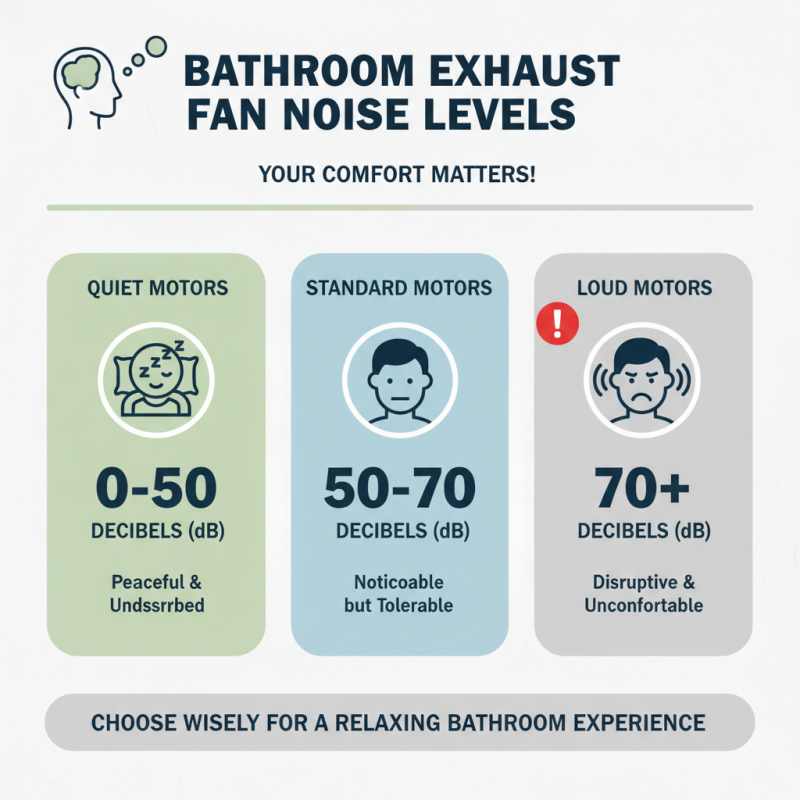
When selecting a Bathroom Exhaust Fan Motor, consider factors like noise level, energy efficiency, and airflow capacity. Not all models will perform as promised. A poorly chosen motor may lead to inadequate ventilation, resulting in humidity issues and mold growth. The market offers various options, making the choice overwhelming at times.
Understanding the specific needs of your bathroom is crucial. For example, larger bathrooms might require more powerful motors. Additionally, some fans operate quietly while others may create unwanted noise. Take time to explore available models and read user reviews. This process will enhance your decision-making and ensure a better outcome for your home’s air quality.
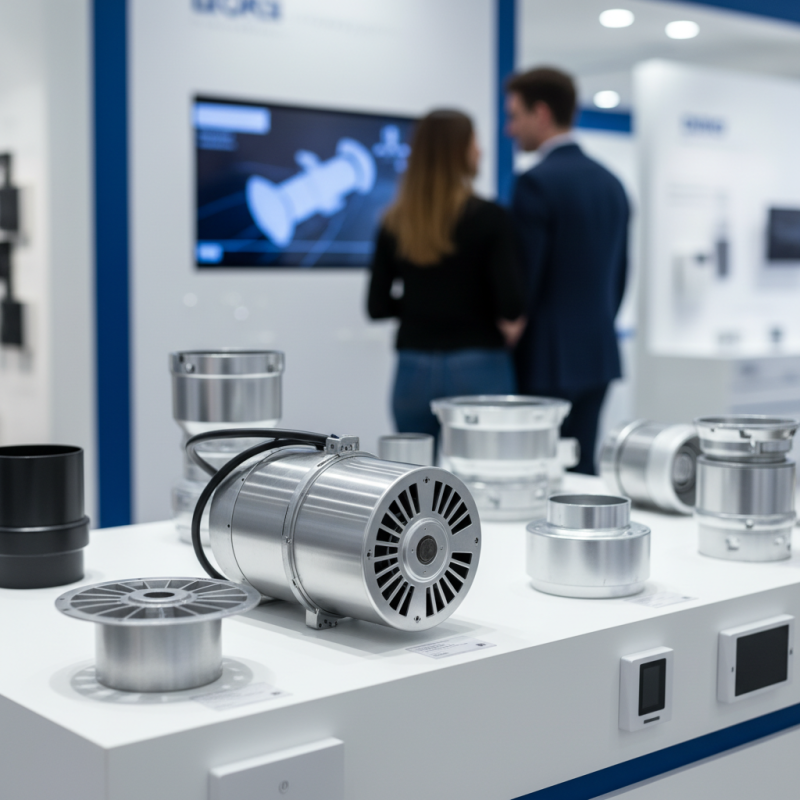
Top Features to Look for in Bathroom Exhaust Fan Motors
When selecting a bathroom exhaust fan motor, key features are important. Efficiency is crucial. An energy-efficient motor reduces energy bills. Look for DC motors; they tend to be quieter and more energy-saving. Quiet operation matters, especially in small spaces.
Check the airflow rating as well. This is measured in CFM (Cubic Feet per Minute). Higher CFM ratings mean better ventilation. For larger bathrooms, more power is necessary. A motor with adjustable speeds offers versatility. Different settings can help manage moisture levels effectively.
Tips: Consider the duration of use. If you run it constantly, durability and warranty are significant. It's worth pondering over reliability. Don’t overlook installation ease. A complex setup can lead to installation errors. Always consult installation manuals carefully before proceeding.
Types of Bathroom Exhaust Fan Motors: A Comprehensive Guide
When choosing a bathroom exhaust fan motor, understanding the types available is crucial. Induction motors are the most common. They provide reliable performance but can be bulky. In contrast, DC motors are more energy-efficient. They consume less power and produce lower noise levels. A 2022 industry report highlighted that DC motors can save homeowners up to 40% in energy costs.
Another type is the shaded-pole motor. These are simple and cost-effective but usually have a shorter lifespan. In humid environments like bathrooms, this could be a concern. A study indicated that shaded-pole motors may have a high failure rate after a few years. Consider your needs before making a choice. Some homeowners value low noise, while others prioritize cost over durability.
Ultimately, the best motor depends on your specific preferences. Each option has its pros and cons that require careful weighing. The right decision can make a significant difference in bathroom air quality and energy use, but many overlook these aspects. It's essential to reflect on what matters most to you in choosing the right fan motor.
2026 Top Bathroom Exhaust Fan Motor Options to Consider
| Motor Type |
Power Rating |
Energy Efficiency |
Noise Level (dB) |
Lifespan (Years) |
| Permanent Split Capacitor (PSC) |
50-80 W |
Moderate |
35-50 |
10-15 |
| Ball Bearing |
40-60 W |
High |
30-45 |
5-10 |
| Synchronous |
60-100 W |
Very High |
25-40 |
15-20 |
| EC Motor |
30-50 W |
Ultra High |
20-35 |
20-25 |
Energy Efficiency Ratings for Exhaust Fan Motors: What to Know
When choosing an efficient exhaust fan motor, energy ratings play a key role. The Department of Energy emphasizes the importance of energy-efficient appliances, indicating that high-efficiency motors can reduce energy consumption by up to 30%. This translates to lower electricity bills over time, which is critical for users.
Understanding energy efficiency ratings is essential. The Energy Star label is a reliable indicator, ensuring compliance with strict guidelines. Fans with this label consume less energy while providing adequate airflow. Reports show that Energy Star-rated models can save homeowners an average of $15 annually on electricity costs. However, it's important to consider that not all models meet these standards. Selecting a model without proper research may lead to higher operational costs.
Investing in the right exhaust fan motor may require deeper analysis. While some may prioritize upfront costs, long-term savings matter. A cheaper fan might have a lower initial price, but it can lead to increased energy usage. Notably, installation and ongoing maintenance also affect the motor’s overall efficiency. Inadequate installation can diminish performance, allowing moisture build-up to persist. This causes potential damage and additional costs down the line. Each choice warrants careful thought to achieve the best balance of efficiency and effectiveness.
Maintenance Tips for Prolonging the Life of Exhaust Fan Motors
Maintaining your bathroom exhaust fan motor is essential for longevity and performance. Regular maintenance can dramatically enhance the lifespan of these motors. Unfortunately, many users overlook this aspect. According to industry data, proper upkeep can extend the life of an exhaust fan motor by up to 50%.
Cleaning the fan blades should be a routine task. Dust and grime can accumulate quickly, impacting efficiency. It’s recommended to clean the blades every six months. Inspecting the wiring and connections is also crucial. Loose or damaged wires can lead to overheating.
Pay attention to the noise levels your exhaust fan makes. Unusual sounds can indicate that the motor requires attention. Lubricating the motor bearings every year can reduce friction and wear. Many people forget this simple step. Remember, neglecting maintenance may lead to complete motor failure. A little effort goes a long way in ensuring your exhaust fan runs smoothly.



 Email
Email Whatsapp
 WeChat