Essential Tips for Choosing the Right Bathroom Fan Motor for Your Home
When it comes to maintaining a healthy living environment, the importance of adequate ventilation in bathrooms cannot be overstated. According to a report by the Home Ventilating Institute (HVI), nearly 90% of homeowners are unaware of the impact that moisture can have on indoor air quality. This lack of ventilation can lead to mold growth, structural damage, and adverse health effects, underscoring the necessity of choosing the right bathroom fan motor. A well-selected bathroom fan motor not only ensures effective air circulation but also contributes to energy efficiency, potentially reducing utility bills by up to 20%, as noted by the U.S. Department of Energy.
Selecting an appropriate bathroom fan motor involves understanding various factors such as air movement capacity, noise level, energy consumption, and additional features like humidity sensors and timers. Research shows that consumers often overlook these critical aspects, which can compromise both the performance and longevity of their ventilation systems. By taking the time to evaluate these parameters, homeowners can make informed decisions that enhance their bathroom's functionality and comfort. In this guide, we will explore essential tips for selecting the right bathroom fan motor to meet your household's specific needs while promoting a healthier and more efficient living space.
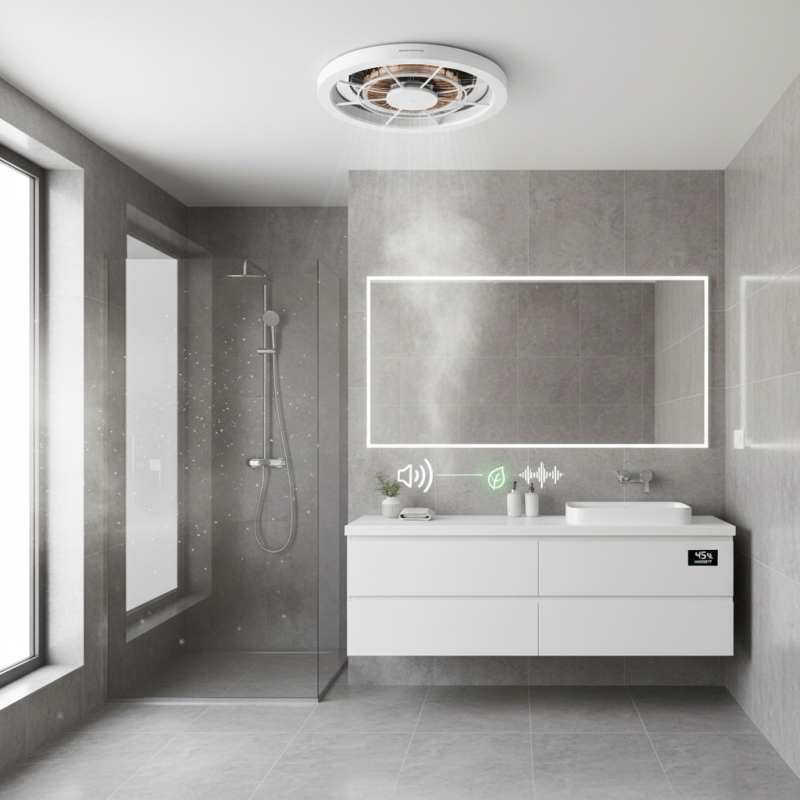
Understanding the Importance of a Bathroom Fan Motor in Home Ventilation
A bathroom fan motor plays a crucial role in maintaining proper ventilation within residential spaces, particularly in areas prone to moisture and humidity. According to the U.S. Environmental Protection Agency (EPA), inadequate ventilation in bathrooms can lead to the buildup of harmful mold and mildew, which can negatively affect indoor air quality and pose health risks. A well-functioning bathroom fan can help reduce these threats by efficiently expelling excess moisture, thereby contributing to a healthier living environment.
When selecting a bathroom fan motor, it is essential to consider factors such as airflow capacity and noise levels. The Home Ventilating Institute (HVI) recommends that bath fans achieve an airflow rate of at least 50 cubic feet per minute (CFM) to effectively remove moisture from the air. However, for larger bathrooms or those with more significant humidity challenges, a higher CFM rating may be necessary.
Additionally, noise is a common concern for homeowners; therefore, opting for motors with lower sone ratings can ensure a quieter operation, enhancing overall comfort while maintaining efficient ventilation. Understanding these parameters can aid homeowners in making informed choices, ultimately fostering a more pleasant and healthy bathroom atmosphere.
Key Factors to Consider When Selecting a Bathroom Fan Motor
When selecting a bathroom fan motor, there are several key factors to consider that can significantly affect performance and efficiency. One of the most critical aspects is the motor's airflow capacity, commonly measured in cubic feet per minute (CFM). According to the Home Ventilating Institute (HVI), a bathroom fan should ideally provide at least 1 CFM per square foot of bathroom space. For instance, a 100-square-foot bathroom would require a fan with a minimum capacity of 100 CFM to ensure adequate ventilation. Insufficient airflow can lead to moisture build-up, which can cause mold growth and other issues over time.
Another vital consideration is the noise level of the fan motor, typically measured in sones. A quieter fan, rated at 1 sone or less, is preferable for residential settings to maintain a peaceful environment. Industry reports indicate that about 70% of consumers value quiet operation when purchasing a bathroom fan. Additionally, energy efficiency should not be overlooked; selecting a fan with a high Energy Star rating can significantly reduce energy consumption, potentially saving homeowners up to $15 annually in electricity costs. In summary, focusing on airflow capacity, noise level, and energy efficiency will help ensure you choose the right bathroom fan motor that meets both your performance needs and comfort standards.
Types of Bathroom Fan Motors: Which One Suits Your Needs?
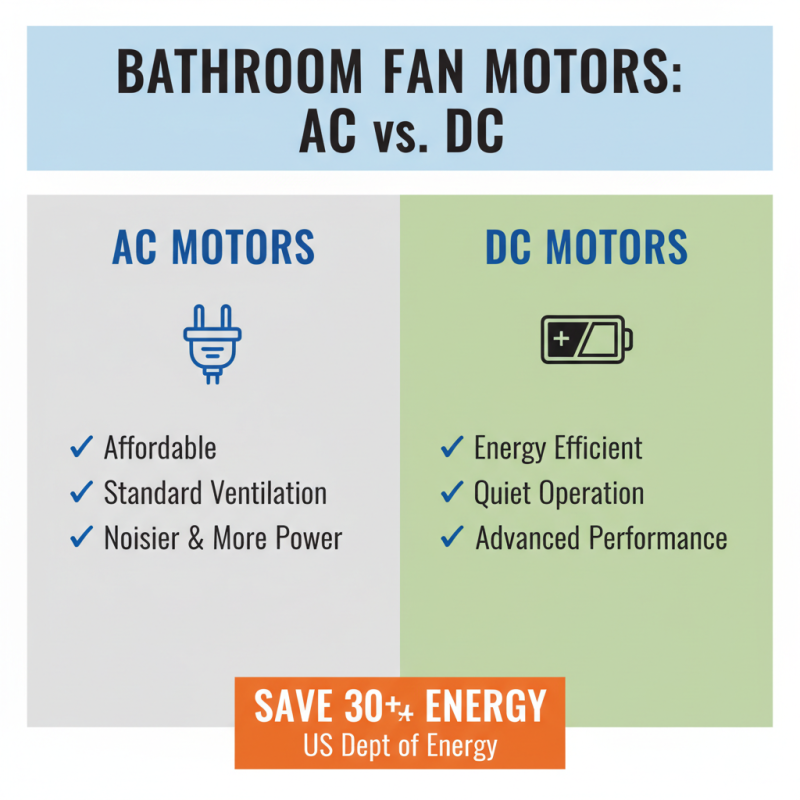
When it comes to choosing the right bathroom fan motor, understanding the various types available can significantly impact ventilation efficiency and energy consumption. Broadly, bathroom fan motors can be categorized into two types: AC (Alternating Current) motors and DC (Direct Current) motors. AC motors, being the conventional choice, are typically more affordable and appropriate for standard ventilation needs. However, they often consume more power and can be noisier, which might not suit everyone’s needs. In fact, according to the U.S. Department of Energy, poorly maintained or inefficient bathroom fans can lead to increased energy costs, with potential savings of 30% or more when opting for energy-efficient models.
On the other hand, DC motors have gained popularity for their energy efficiency and quieter operation. A recent report from the Home Ventilating Institute indicates that DC motors can use up to 70% less energy than their AC counterparts. They provide variable speed options, allowing homeowners to adjust airflow based on specific needs, which can be particularly beneficial in spaces with varying humidity levels. Moreover, DC fan motors often come equipped with advanced features like built-in sensors, which further enhance their usability by automatically adjusting to moisture levels and improving indoor air quality without constant manual oversight. Choosing the right motor type for your bathroom not only ensures adequate ventilation but also supports longer-term energy savings and a more comfortable living environment.
How to Calculate the Required Power for Your Bathroom Fan Motor
When selecting the right bathroom fan motor, it’s crucial to calculate the required power to ensure effective ventilation. The power required is typically measured in cubic feet per minute (CFM), which indicates how much air the fan can move. A general rule of thumb is to aim for at least one CFM for every square foot of bathroom space. For example, if your bathroom measures 100 square feet, a fan that provides at least 100 CFM would be appropriate for optimal air circulation.
To determine the specific power needs, consider the volume of the bathroom and any additional factors that may influence air quality, such as the presence of a shower or bathtub. These areas can create excess humidity, necessitating more robust ventilation. It's also helpful to factor in the height of the ceiling; taller ceilings may require a fan with a higher CFM rating to maintain air movement effectively. Keeping these calculations in mind will lead you to the right fan motor to suit your bathroom's ventilation needs.
Tips for Installation and Maintenance of Bathroom Fan Motors
When installing a bathroom fan motor, it is essential to prioritize proper placement and ventilation efficiency. Ideally, the fan should be installed near moisture sources, such as showers or tubs, to effectively remove humidity.
Ensure that the fan is positioned at a minimum height of seven feet from the floor to maximize airflow and prevent moisture accumulation, which can lead to mold growth. Additionally, using ductwork to vent air outside rather than into the attic or other confined spaces is crucial for maintaining air quality and preventing damage to your home's structure.
Maintenance of bathroom fan motors is equally important to ensure longevity and optimal performance. Regularly cleaning the fan blades and housing helps to eliminate dust and debris, which can obstruct airflow and reduce efficiency.
It is advisable to check the motor and wiring for any signs of wear or damage at least once a year. If the fan becomes noisy or less effective, inspecting the bearings and lubricating them can often resolve these issues. By following these installation and maintenance tips, you can enhance the functionality of your bathroom fan motor, contributing to a more comfortable and healthier living environment.



 Email
Email Whatsapp
 WeChat