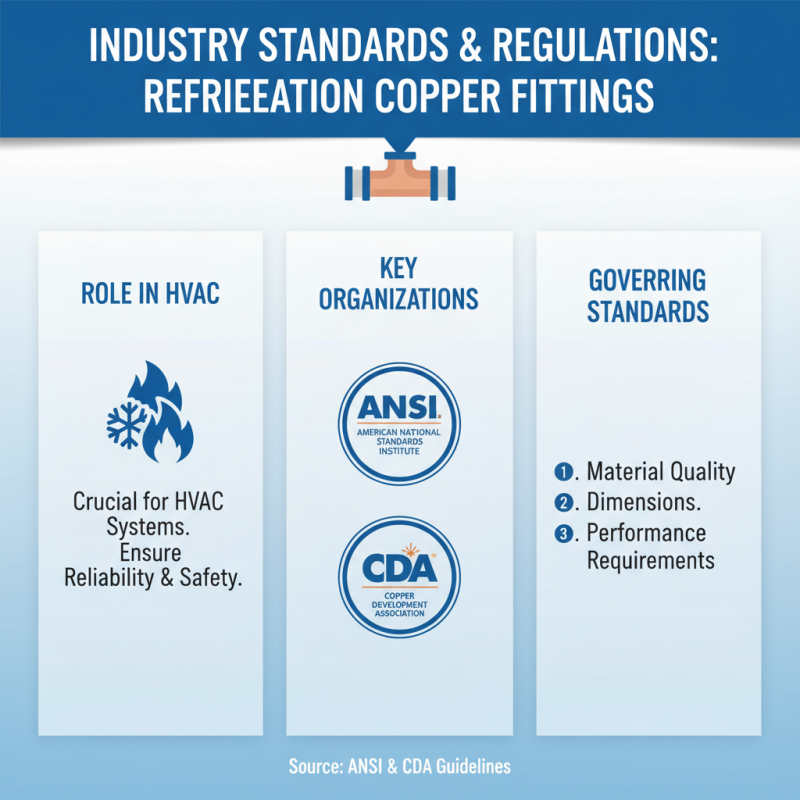
What is Refrigeration Copper Fittings and How to Choose Them?
Refrigeration Copper Fittings play a crucial role in HVAC systems. These fittings connect pipes and ensure efficient refrigerant flow. Choosing the right fittings can be daunting. Many overlook their importance, but the right choices can prevent leaks and enhance system performance.
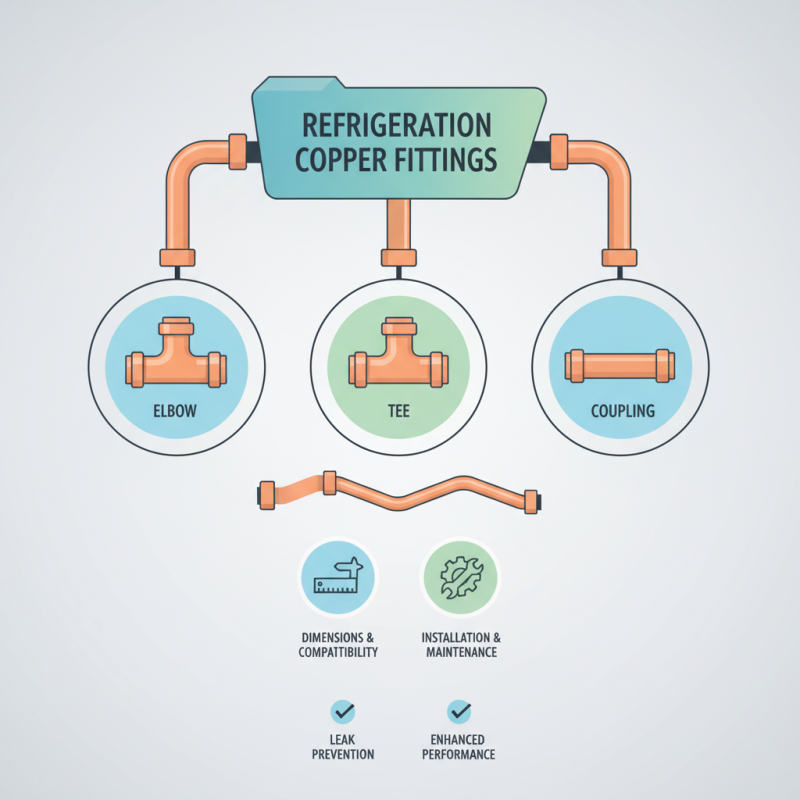
Understanding the different types of Refrigeration Copper Fittings is essential. Options include elbows, tees, and couplings. Each type serves a specific function. Familiarity with these components can lead to better installation and maintenance. It's also vital to consider dimensions and compatibility with existing systems.
Many may rush this process. However, taking time to research can save money in the long run. Poor choices can result in costly repairs and inefficiencies. Reliable suppliers often provide guidance, reinforcing the value of professional insight. Making informed decisions about Refrigeration Copper Fittings is key to maintaining a reliable HVAC system.
What is Refrigeration Copper Fittings and Their Importance in HVAC Systems
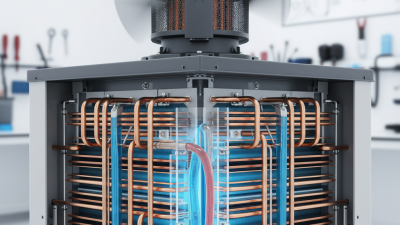
Refrigeration copper fittings play a critical role in HVAC systems. These fittings connect various components, ensuring refrigerant flows smoothly. Their quality directly impacts system efficiency and overall performance. Often, they come in different shapes and sizes, designed for specific applications. Using the right fitting can prevent leaks and energy loss.
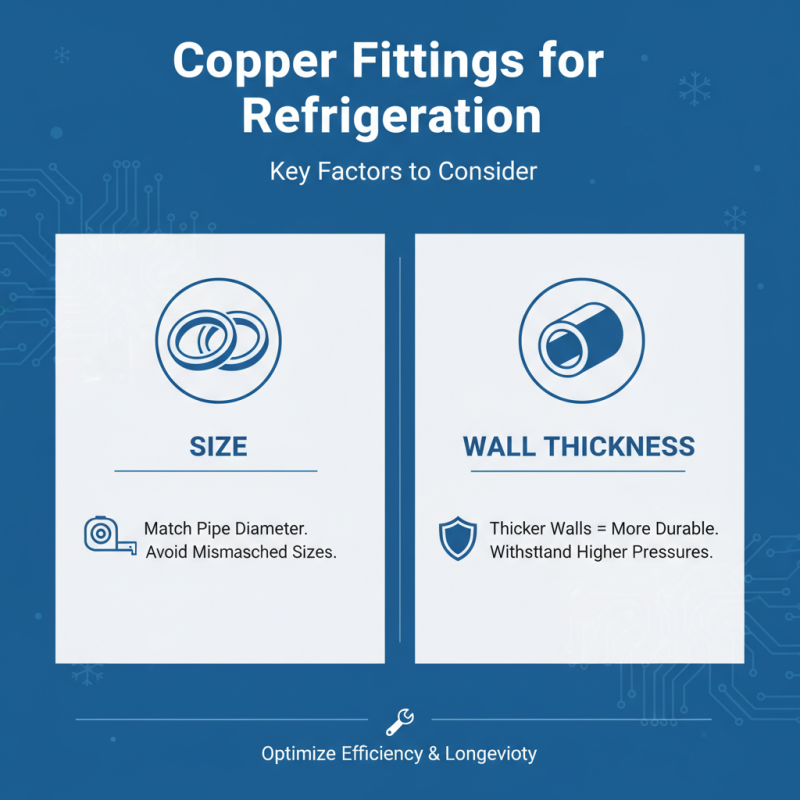
Selecting the right refrigeration copper fittings requires understanding their purpose. Various styles like elbows, tees, and couplings serve distinct functions. Make sure to choose fittings designed for the pressures and temperatures of your system. Compatibility is key. Mismatched components can lead to significant issues.
It's also important to consider the environment where the system operates. For example, high humidity can affect certain materials. Regular checks and professional assessments can help maintain reliability. Investing time in choosing proper fittings makes a notable difference. Remember, overlooked details can lead to costly repairs and inefficiency. Balancing choices ensures you get optimal performance from your HVAC system.
Types of Copper Fittings Used in Refrigeration and Their Applications
Refrigeration copper fittings play a critical role in HVAC systems. Various types serve different functions and applications. Understanding these fittings can help ensure efficient performance.
Solder fittings are commonly used in refrigeration lines. They require soldering for a secure connection, offering a strong seal against leaks. Compression fittings, on the other hand, ease the installation process. They use a metal ring to create a tight fit without soldering. Both types have their merits, depending on specific needs.
Tip: Always choose high-quality copper. It resists corrosion better and has a longer lifespan.
Another option is flare fittings. They're often used in high-pressure applications. These allow for easy disassembly and adjustment. However, they may not hold up well in extreme temperatures.
Tip: Check compatibility with refrigerants. Some materials can react with certain refrigerants, affecting performance.
Reflect on your application requirements before making a choice. Each fitting type has pros and cons. An informed decision can enhance the longevity and efficiency of refrigeration systems.
What is Refrigeration Copper Fittings and How to Choose Them? - Types of Copper Fittings Used in Refrigeration and Their Applications
| Type of Copper Fitting |
Description |
Applications |
| Elbow Fittings |
Used to change the direction of the piping. |
HVAC systems, refrigerant lines. |
| Couplings |
Connect two sections of pipe. |
Connectors in refrigeration and AC units. |
| Caps |
Close the ends of piping systems. |
Sealing unused ends in refrigeration lines. |
| Tees |
Divide a single line into two lines. |
Branching in refrigeration systems. |
| Reducers |
Join pipes of different diameters. |
Adapting various piping sizes in AC systems. |
Common Installation Practices for Refrigeration Copper Fittings in Systems
When selecting refrigeration copper fittings, proper installation is crucial for system efficiency. Professionals recommend using fittings that meet industry standards, such as those outlined by ASHRAE. Their data suggests that improper fitting installation can lead to a 20% increase in energy consumption. This emphasizes the importance of attention to detail.
The installation process often involves accurate cutting of the copper tubing. Burrs must be removed to ensure a snug fit. Using a pipe cutter rather than a hacksaw helps maintain the integrity of the copper. Keep in mind that improper cuts can result in leaks, an issue that may go unnoticed until a system failure occurs.
Additionally, securing fittings with the right torque is essential. Over-tightening can stress joints, risking future leaks. The ideal torque values depend on the size and type of the fitting. Some professionals overlook this simple factor, leading to costly repairs later. Experienced technicians know that a thoughtful approach to installation is key to long-term system reliability.
Refrigeration Copper Fittings Usage in Different Applications



 Email
Email Whatsapp
 WeChat