How to Choose an Inducer Motor Furnace for Your Heating Needs?
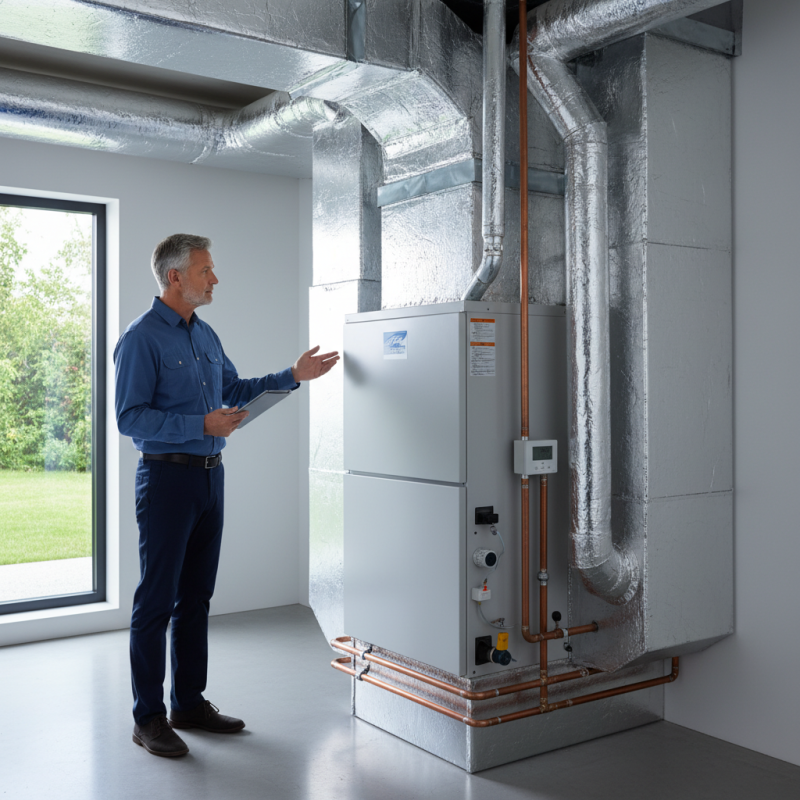
Choosing the right Inducer Motor Furnace can be challenging. Experts like John Smith, a seasoned HVAC specialist, say, "Understanding your heating needs is crucial." An inducer motor furnace often improves efficiency. It's designed to enhance airflow and maximize heat distribution.
When selecting an inducer motor furnace, consider your home size. A unit too small won't heat effectively. One too large may waste energy. Various models offer different benefits, making it essential to research carefully. Pay attention to features like energy efficiency ratings.
Many people overlook proper sizing. This mistake can lead to increased bills and discomfort. Evaluate your options wisely. Do not rush the decision. An informed choice can ensure comfort and lower costs. Remember, the right inducer motor furnace makes a difference.
Understanding the Basics of Inducer Motor Furnaces
Inducer motor furnaces play an essential role in heating systems. They enhance airflow and ensure efficient combustion. Understanding how these furnaces function can help you make informed decisions.
These systems utilize an inducer motor to draw out exhaust gases. This process provides better airflow, improving heating effectiveness. A well-designed inducer helps in minimizing the risk of backdrafts. In contrast, an ill-suited motor may lead to inefficiencies or unsafe conditions. Such risks underline the need for careful selection.
When considering an inducer motor furnace, evaluate your specific heating requirements. Factors like home size, insulation quality, and local climate are crucial. An oversized furnace can waste energy, while an undersized one may leave you cold. It's essential to consult a professional when making this decision. Don't shy away from seeking expert advice; it can save you from costly errors.
Evaluating Your Home Heating Requirements
When selecting an inducer motor furnace, understanding your home heating requirements is crucial. Start by evaluating the size of your living space. Measure the square footage. A larger home will require a more powerful furnace. Insulation matters too. Poor insulation can lead to heat loss, making your furnace work harder. This inefficient use can increase your energy bills.
Next, consider your climate. In colder areas, you'll need a furnace with a higher BTU rating. This ensures it can maintain comfort during winter. Think about your existing heating system. If it's outdated or inefficient, it may be time for an upgrade. Assess your usage patterns as well. Do you spend more time in certain rooms? A zoned heating approach might be worth considering.
Lastly, reflect on your budget. Inducer motors can vary in price. A high-efficiency model may have a higher upfront cost but save money in the long run. Don't forget to account for maintenance costs, too. They can add up. Make your decision wisely, weighing upfront costs against long-term savings.
Evaluating Home Heating Requirements
Key Features to Consider When Selecting an Inducer Motor Furnace
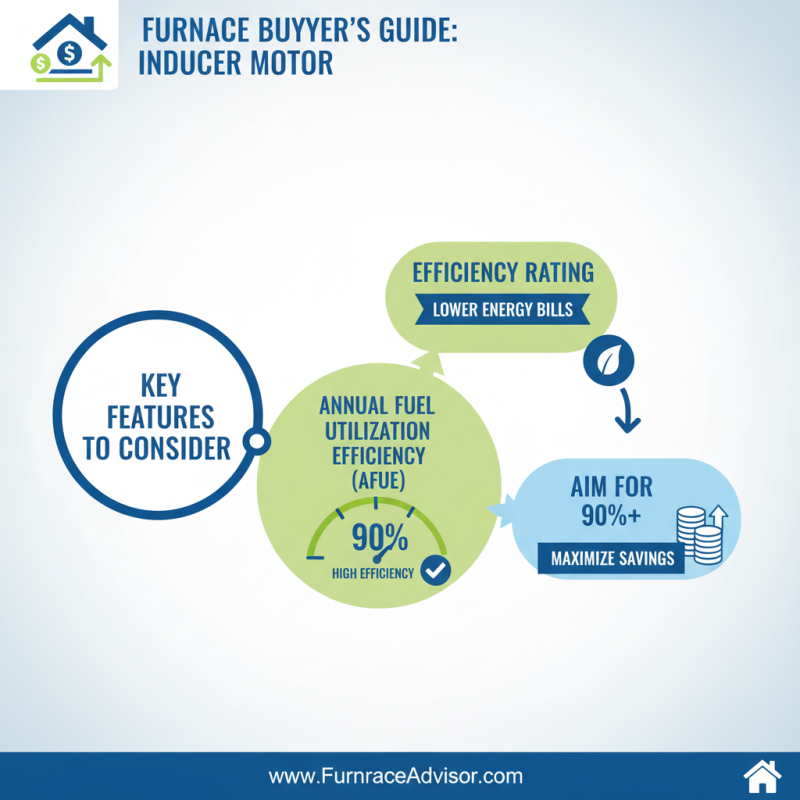
When selecting an inducer motor furnace, several key features need consideration. The efficiency rating is crucial. High efficiency means lower energy bills. Check the Annual Fuel Utilization Efficiency (AFUE) rating. Aim for at least 90% to maximize savings.
Another important aspect is the size of the furnace. It should fit your home adequately. An oversized unit can lead to short cycling, wasting energy. Conversely, an undersized furnace struggles to heat your space, affecting comfort levels.
Noise levels also matter. Some models can be quite loud, disturbing your peace. Look for quiet operation ratings. Additionally, ease of maintenance is vital. Regular attention prevents breakdowns and prolongs life. These details may seem minor but significantly impact performance and satisfaction.
Comparing Inducer Motor Furnaces from Different Brands
When selecting an inducer motor furnace, comparing various brands is essential. Each brand can offer unique features, performance levels, and efficiencies. Researching these aspects provides a better understanding of what suits your heating needs.
Tips: Start by checking the energy efficiency ratings. Higher ratings often lead to lower utility bills. Also, consider the size of the furnace. It needs to match your space for optimal heating.
Different brands may excel in different areas. For instance, some may offer quieter operations, while others focus on durability. It can be confusing at times. Knowing what you prioritize can guide your choice.
Tips: Always read customer reviews. They can reveal real-world performance. Lastly, think about warranty and service support. Solid guarantees can save you headaches later on.
Maintenance Tips for Optimal Performance of Your Furnace
Maintaining an inducer motor furnace is crucial for optimal performance. Regular maintenance helps avoid costly repairs. Begin by checking the air filter. A clean filter ensures proper airflow and efficiency. Replace it every one to three months, especially during peak usage.
Inspect the furnace burners regularly. Dirt and debris can accumulate, affecting performance. A simple cleaning can improve combustion efficiency. Be mindful of unusual noises. Rattling or whistling can indicate a problem. Address these issues promptly to prevent further damage.
Don’t forget about the vents. Ensure they are free of obstructions. Blocked vents can lead to inadequate heating and increase energy costs. Schedule a professional inspection annually. They can catch issues you might overlook. Neglecting small problems can escalate into significant repairs.
How to Choose an Inducer Motor Furnace for Your Heating Needs? - Maintenance Tips for Optimal Performance of Your Furnace
| Feature |
Description |
Importance |
| Heating Capacity |
Measured in BTUs, determines the space that can be heated effectively. |
Crucial for ensuring adequate heating for your home. |
| Energy Efficiency |
Rated by AFUE percentage, indicates how efficiently energy is converted to heat. |
Key for reducing energy bills and environmental impact. |
| Noise Level |
Measured in decibels, indicates how loud the furnace operates. |
Impacts comfort; quieter models enhance living conditions. |
| Size and Dimensions |
Physical size; must fit in designated installation space. |
Essential for proper installation and airflow. |
| Ventilation Type |
Indicates whether it uses natural draft or forced air. |
Affects installation requirements and efficiency. |
| Maintenance Needs |
Frequency and types of servicing required to keep the furnace optimal. |
Important for longevity and performance consistency. |
| Warranty |
Length and coverage details for repairs or replacements. |
Protects investment and provides peace of mind. |



 Email
Email Whatsapp
 WeChat