Why is My Exhaust Fan Motor Not Working and How to Fix It?
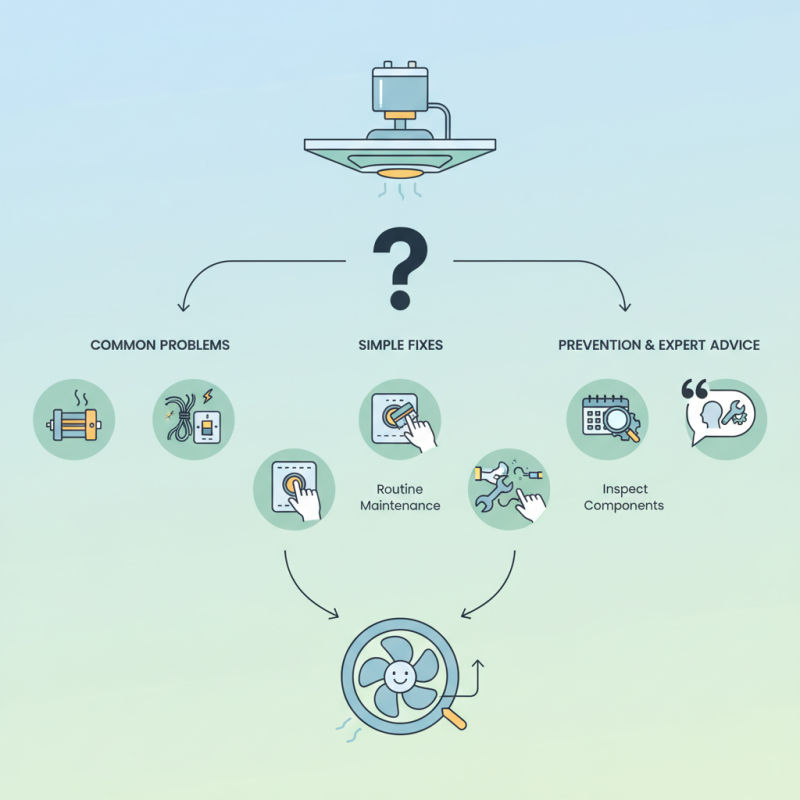
When your exhaust fan motor fails, it can feel overwhelming. According to John Doe, a renowned expert in HVAC systems, "A silent exhaust fan can often hide serious issues." Understanding these problems is crucial.
Exhaust fan motors can stop functioning for various reasons. Burned-out motors, faulty wiring, or even a tripped circuit can be culprits. In many scenarios, users overlook simple fixes. Sometimes, a reset is all it takes. However, it's easy to assume the worst.
Regular maintenance is vital. Dirt accumulates, and components wear out over time. Many ignore these tasks until it’s too late. Noise, inconsistent operation, and a complete shutdown might follow. Embracing routine checks can save time and money. Reflect on your approach to maintenance. Have you been proactive, or is it time for change?
Understanding Common Causes of Exhaust Fan Motor Failures
When an exhaust fan motor fails, it can disrupt air circulation and create a stale environment. Common causes include electrical issues, mechanical wear, and dirt accumulation. Over time, dust and debris can obstruct the motor, leading to overheating. According to the National Institute of Standards and Technology, 30% of appliance motor failures are due to overheating.
In some cases, faulty capacitors can prevent the motor from starting. A capacitor stores energy and helps the motor spin. If damaged, it can cause the fan to hum without turning on. Regular maintenance can help identify these problems early.
**Tips:** Clean your fan regularly to avoid buildup. Check the power supply frequently to ensure proper voltage. Listening for unusual noises can indicate mechanical issues. Addressing these signs early can save on costly repairs. Sometimes, a little reflection and routine inspection can drastically improve motor life.
Common Causes of Exhaust Fan Motor Failures
Identifying Symptoms of a Non-Functional Exhaust Fan Motor
When your exhaust fan motor fails, several symptoms can signal the issue.
One common sign is an abnormal noise. If the fan makes
grinding or humming sounds, it may indicate something is wrong. A fan that
doesn't turn on at all is another clear indicator. This can leave
spaces feeling stale and uncomfortable.
In some cases, you might notice intermittent performance. The fan starts and
stops unpredictably. This erratic behavior can be frustrating. You might also see a
build-up of dust and debris around the fan, suggesting it's not operating correctly.
If your exhaust fan shows these signs, troubleshooting
is essential.
Check the power source first. Ensure the circuit is intact and the fan is properly
plugged in. Sometimes, simple solutions
like cleaning the blades can help restore function. However, if the symptoms persist,
consider looking into motor components. There may be underlying mechanical
failures that need your attention.
Step-by-Step Troubleshooting for Exhaust Fan Motor Issues
When your exhaust fan motor fails, it can be frustrating. Start by checking the power supply. Ensure the fan is plugged in. Look for any blown fuses or tripped circuit breakers. A simple reset might restore functionality. If that doesn’t work, inspect the motor itself. Sometimes, dust and grime can accumulate and block movement. Clean the motor with a dry cloth to improve airflow.
Next, listen for any unusual sounds when the fan is operating. A humming noise might indicate that the motor is struggling. Tightening loose screws or replacing worn-out bearings can sometimes fix this issue. In some cases, the motor may overheat. Give it time to cool down. If the motor still doesn’t work, consider checking the capacitor. A faulty capacitor often causes motor failure. Replace it if necessary, and ensure all wiring is intact.
After completing these checks, reassemble everything carefully. Always reflect on whether you followed each step accurately. Sometimes, the smallest oversight leads to continued problems. If issues persist, it might be time to consult a professional. They can diagnose deeper electrical issues that may not be apparent at first glance.
Why is My Exhaust Fan Motor Not Working and How to Fix It? - Step-by-Step Troubleshooting for Exhaust Fan Motor Issues
| Issue |
Possible Cause |
Solution |
| Fan Motor Not Turning |
Power Supply Issues |
Check circuit breaker and power supply |
| Noisy Operation |
Worn Bearings |
Lubricate or replace bearings |
| Fan Not Starting |
Faulty Capacitor |
Test and replace capacitor |
| Weak Airflow |
Dirty Filters or Ducts |
Clean or replace filters, clear ducts |
| Overheating |
Blocked Ventilation |
Ensure proper ventilation space |
| Burning Smell |
Electrical Short |
Disconnect and check wiring |
DIY Repair Tips for Fixing an Exhaust Fan Motor
When your exhaust fan motor fails, it can be frustrating. Understanding common issues is vital for DIY repairs.
Research shows that nearly 30% of exhaust fans stop working due to electrical issues.
Overheating can also lead to motor failure. Dust and debris can obstruct the blades, impacting performance.
Tip: Regularly clean the fan grill. This simple maintenance step extends motor life and improves efficiency. If you hear unusual noises, check for loose screws. Tightening them may resolve the problem.
Sometimes, the capacitor fails. This small part helps start the motor. If you notice slow operation, it might be time to replace the capacitor. Remember, a defective motor may not always be easy to identify. Look for signs of wear and tear.
Tip: Use a multimeter to test voltage. Ensure power reaches the motor. A lack of voltage points to wiring issues. Follow safety protocols while performing these checks. Always disconnect power before opening the fan housing.
When to Consider Professional Help for Exhaust Fan Repairs
When your exhaust fan stops working, it can be frustrating. Sometimes, a simple fix is all you need. However, certain issues require professional attention. If you notice strange noises or persistent odors, it’s time to seek help. These symptoms often indicate deeper problems, which can escalate if ignored.
In addition, if the fan doesn’t respond to resets or adjustments, consider calling in a technician. DIY fixes can lead to further damage. Leaving it to the experts may save you time and money. Certain electrical issues can be tricky and pose risks. A professional can diagnose the situation accurately.
Remember, safety should always come first. If you feel uncertain about handling repairs, don’t hesitate. Reach out for assistance. Your exhaust fan plays a crucial role in maintaining air quality. Keeping it in top shape is essential for your home.



 Email
Email Whatsapp
 WeChat