Essential Tips for Choosing a Bathroom Fan Motor?
Choosing a Bathroom Fan Motor can significantly impact your home’s air quality and humidity levels. According to the American Society of Home Inspectors, improper ventilation is a common issue in bathrooms. This can lead to mold growth and structural damage. Industry expert, David Smith, states, "A quality Bathroom Fan Motor is crucial for effective air circulation."
Selecting the right motor involves evaluating various factors. The fan's noise level is one of them. A quieter motor enhances comfort during use. Energy efficiency is another critical aspect. Fans with higher energy ratings reduce electricity costs. Research shows that a well-chosen Bathroom Fan Motor can save homeowners about 30% on energy bills.
However, many homeowners overlook these details. They might prioritize price over performance. This often leads to future regrets. A cheap motor can wear out quickly and require frequent replacements. Thus, it's essential to conduct thorough research before purchasing. Balancing quality and cost is a challenge, but it ultimately pays off.

Understanding Bathroom Fan Motors: Types and Features
When it comes to bathroom fan motors, understanding the types and features is essential. The two main types are ceiling-mount and wall-mount fans. Ceiling-mount fans are often quieter and blend seamlessly with the room. Wall-mount fans can provide targeted ventilation, especially in compact spaces. According to industry reports, noise levels can range from 0.5 to 3.5 sones. Selecting a motor with a lower sone rating often results in a quieter operation.
In addition to type, consider the features. Some fans come with built-in humidity sensors. These can automatically activate to control moisture levels. This feature could prevent mold growth, which is a common bathroom issue. A study indicated that bathrooms without proper ventilation can see humidity levels rise to 90% after a hot shower. It’s a staggering statistic that highlights the necessity for an effective motor.
Don't overlook energy efficiency. High-efficiency motors can significantly reduce electrical consumption. While they may have a higher upfront cost, the long-term savings can be substantial. However, not all high-efficiency options function effectively in every space. Thus, it’s crucial to assess your bathroom layout. Reflecting on the balance between noise levels, features, and energy efficiency can ensure a successful choice.
Key Factors to Consider When Selecting a Bathroom Fan Motor
Choosing the right bathroom fan motor is crucial for effective ventilation.
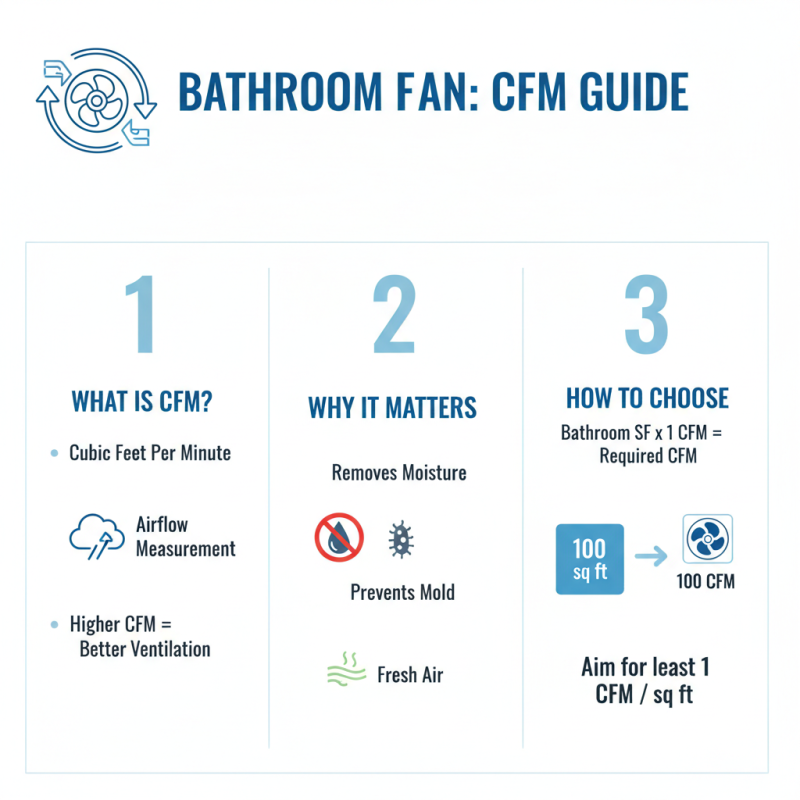
A well-chosen motor can reduce humidity and improve air quality. The Home Ventilating Institute states that bathrooms should have a fan rated at 50 CFM (Cubic Feet per Minute) for every 100 square feet.
Keep this in mind as you assess your space.
The motor's noise level is another important factor. Fans often have a sones rating. A lower sones rating indicates a quieter operation.
Reports indicate that a fan rated at 1 sone is about twice as quiet as one at 4 sones. Users commonly underestimate this aspect, ending up with noisy fans that disrupt peace.
Energy efficiency matters too. Look for motors that meet ENERGY STAR standards.
These models use approximately 60% less energy than standard ones. While they may come at a higher upfront cost, they lead to savings over time.
Balancing initial expenses with long-term benefits can be challenging. Ensure to consider these factors thoughtfully.
The Importance of CFM Ratings for Bathroom Ventilation Efficiency
When choosing a bathroom fan motor, CFM ratings are crucial. CFM, or cubic feet per minute, measures airflow. It indicates how much air the fan moves. For effective ventilation, a higher CFM rating is often desired. Reports suggest that a bathroom needs about 1 CFM per square foot of space. So, if your bathroom is 100 square feet, aim for at least 100 CFM. This level ensures proper moisture removal.
Many homeowners overlook the significance of proper CFM ratings. They may select a fan based on noise levels or design instead. Doing so can lead to inadequate airflow. Insufficient ventilation may cause mold growth or lingering odors. Statistics show that homes with poor bathroom ventilation experience a rise in moisture-related complaints.
Choosing the right fan motor isn't just about functionality. It's about safeguarding your health. A fan with the right CFM helps minimize humidity. Yet, some fans are too powerful, creating drafts or noise. It's a balancing act. Be clear on your bathroom's size and use. Underestimating your needs can lead to regrets later.
Noise Levels: Choosing a Quiet Bathroom Fan Motor for Comfort
When selecting a bathroom fan motor, noise levels are crucial. You want a motor that operates quietly. Many fan motors produce annoying sounds. A loud fan can disrupt your peace, especially during early mornings or late evenings. Look for motors with low sones, which measure noise levels. The lower the sone rating, the quieter the fan.
It's also helpful to consider installation locations. Placing the fan in a larger bathroom may help disperse sound. But in smaller spaces, every noise is amplified. Quality matters too. A durable motor often runs smoother and quieter. Pay attention to user reviews. Experiences from others can provide insights about a fan's noise levels.
Don’t ignore airflow efficiency when considering noise. Sometimes, a more efficient fan can operate at lower decibels. This dual benefit enhances comfort while keeping the room well ventilated. Remember to compare multiple options. Testing sound levels before purchasing is beneficial. You may find the perfect balance between efficiency and tranquility.
Noise Levels of Bathroom Fan Motors
This chart illustrates the distribution of various bathroom fan motors based on their noise levels measured in decibels (dB). A lower decibel rating indicates a quieter fan, suitable for comfortable use. Understanding these levels helps in selecting the right fan motor for your bathroom needs.
Energy Efficiency Standards for Bathroom Fan Motors: What to Look For
When selecting a bathroom fan motor, energy efficiency is a key factor. According to the U.S. Department of Energy, an efficient fan can save homeowners up to $135 a year on energy bills. Look for models that comply with ENERGY STAR® standards. These fans typically use 70% less energy than standard models. This difference matters over time, especially as energy costs rise.
Pay attention to the fan's airflow rating measured in cubic feet per minute (CFM). A higher CFM rating indicates better performance in removing moisture and odors. However, high CFM fans can consume more power. A balance is necessary. The ideal fan should align with the bathroom size. For instance, a small bathroom requires around 50 CFM, whereas larger spaces may need 100 CFM or more.
Consider the fan's sound levels, measured in sones. A quieter fan often costs more, but it creates a more pleasant environment. Fans that produce sounds higher than 2.5 sones can be disruptive. While it may be tempting to prioritize price, paying a bit more for quieter, efficient models can enhance comfort. Achieving the right balance of efficiency, airflow, and noise reflects thoughtful choice.



 Email
Email Whatsapp
 WeChat