10 Essential Tips for Choosing a Furnace Blower?
Choosing the right furnace blower is crucial for efficient heating. According to HVAC expert Mark Johnson, “A good blower can make all the difference in comfort.” With the winter months approaching, homeowners must pay attention to this important component.
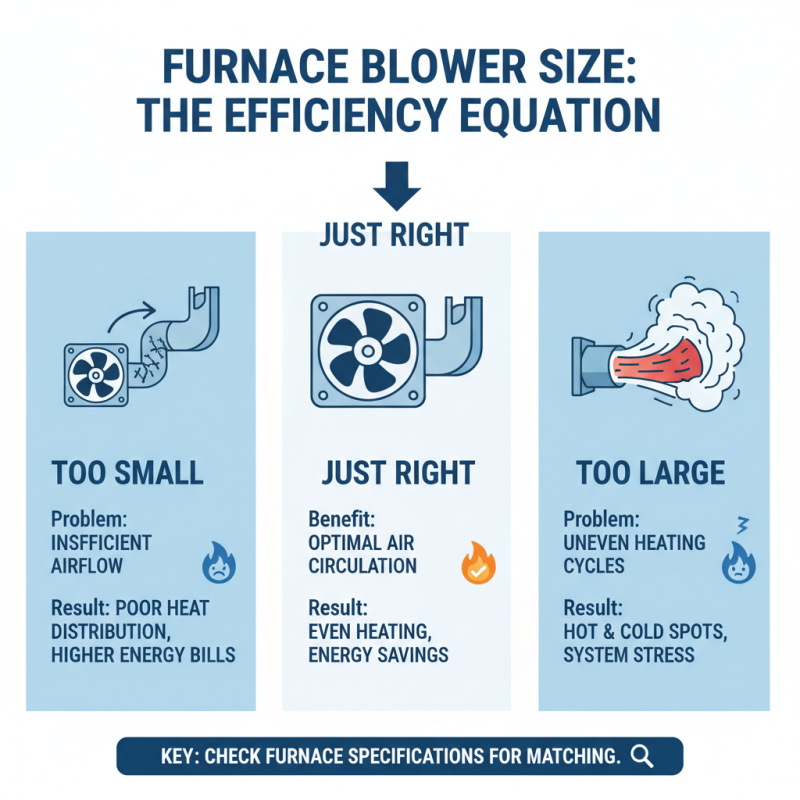
Selecting a furnace blower involves understanding your home’s specific needs. It’s not just about power; efficiency and noise levels matter too. An oversized blower can lead to higher energy bills. Meanwhile, a small one may struggle to circulate warm air effectively. It’s essential to find balance.
The market offers various options. Each furnace blower comes with unique features and specifications. Research is vital. Reading reviews from other homeowners can provide insight. Don’t overlook the importance of seeking professional advice. Mistakes in choosing a furnace blower can lead to unnecessary expenses and discomfort. Your choice impacts home heating and efficiency for years ahead.
Understanding the Role of a Furnace Blower in Heating Systems
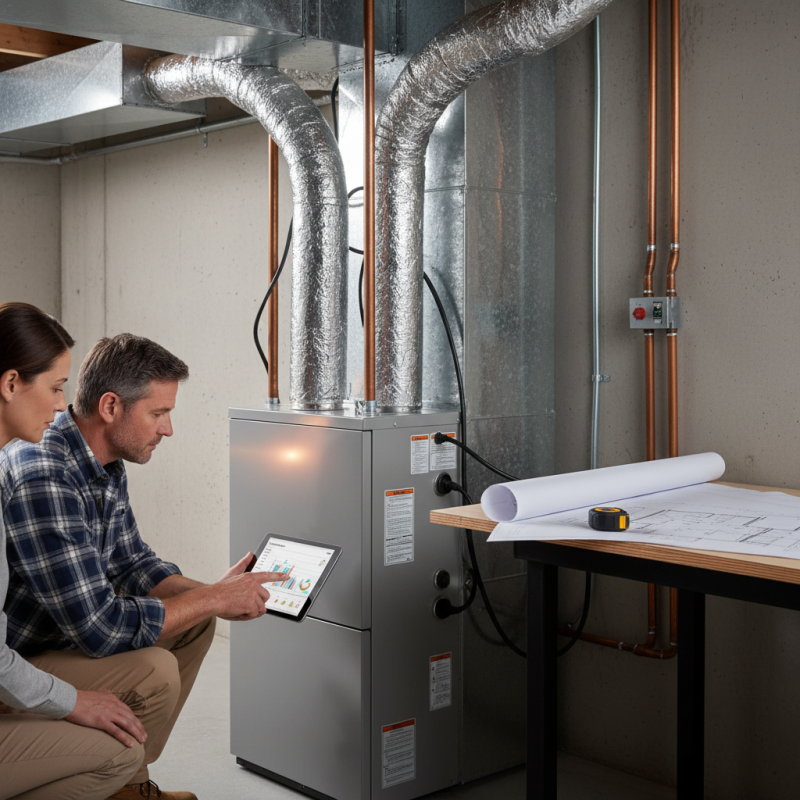
A furnace blower plays a crucial role in heating systems. It circulates warm air throughout the home, ensuring comfort during cold months. According to the U.S. Department of Energy, around 45% of energy costs go to heating the home. An efficient blower can significantly reduce these costs.
When selecting a furnace blower, consider its size and efficiency. A blower that is too small won’t adequately heat the space. Conversely, a blower that is too large can waste energy. The right size can optimize airflow and enhance system efficiency. Research indicates that correctly sized blowers can improve energy use by 20% annually.
Regular maintenance of the blower is important. Dust and debris can hinder performance. A clogged blower can lead to increased wear and tear, resulting in costly repairs. According to industry reports, nearly 30% of HVAC failures are due to improper maintenance. Be proactive. Ignoring small issues can lead to bigger problems down the line.
10 Essential Tips for Choosing a Furnace Blower
| Tip Number |
Tip Description |
Importance |
| 1 |
Determine the right size for your furnace blower. |
Crucial |
| 2 |
Check the blower's efficiency rating. |
Very Important |
| 3 |
Consider the noise level of the blower. |
Important |
| 4 |
Look for variable speed options for better control. |
Beneficial |
| 5 |
Evaluate the materials used in the blower. |
Important |
| 6 |
Check for compatibility with your heating system. |
Crucial |
| 7 |
Look for warranties and service options. |
Important |
| 8 |
Research customer reviews and ratings. |
Helpful |
| 9 |
Consider energy-efficient models to save on costs. |
Highly Recommended |
| 10 |
Consult with a heating professional for advice. |
Essential |
Types of Furnace Blowers: Which One is Right for Your System?
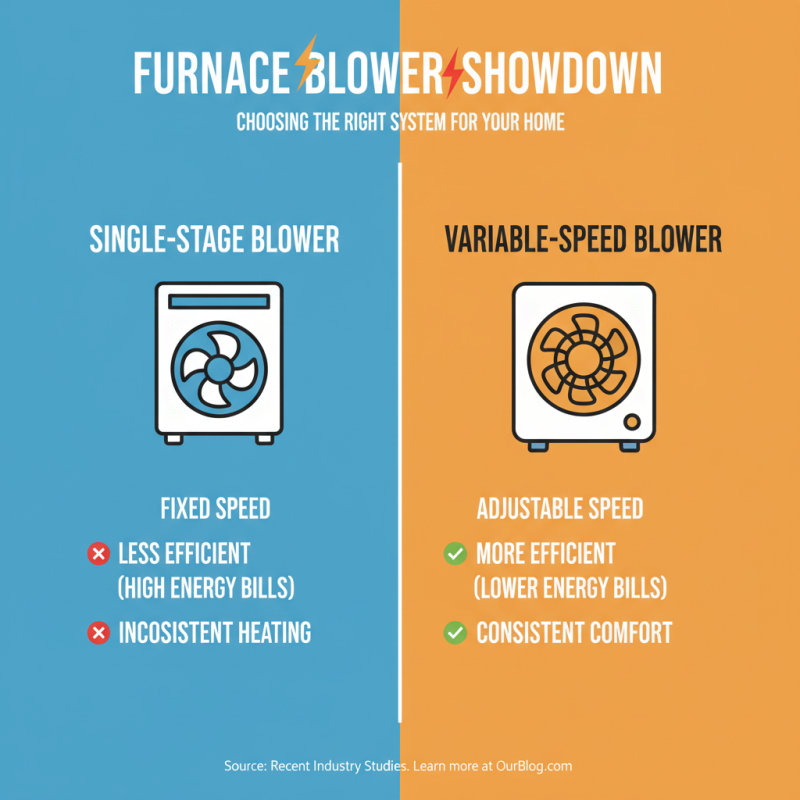
When selecting a furnace blower, the type of system you have plays a crucial role. There are primarily two categories: single-stage and variable-speed blowers. Single-stage blowers operate at a fixed speed. They are often less efficient, as they run at full power whenever they are on. According to recent industry studies, this can lead to higher energy bills and inconsistent heating throughout your home.
On the other hand, variable-speed blowers adjust their speed based on the heating demands of your space. These systems run more efficiently, reducing overall energy consumption. The U.S. Department of Energy states that variable-speed models can improve comfort levels while cutting energy use by up to 30%. A common misconception is that all systems fit all homes, but that’s not true. Choosing the right type can affect performance and cost significantly.
Consider the layout of your home and existing ductwork when making your choice. Some homes have bends or turns that may not suit a high air speed. Improper fitting may cause noise issues too. Ensure your blower matches not only your heating needs but also the specific design of your HVAC system. This careful selection can prevent future headaches and ensure efficiency.
Assessing Airflow Requirements for Optimal Heating Efficiency
When choosing a furnace blower, assessing airflow requirements is crucial. The airflow rate determines how effectively your heating system distributes warmth throughout your home. According to industry data, an improperly sized blower can decrease efficiency by up to 30%. This inefficiency leads to increased energy costs and inconsistent heating.
Understanding your home's square footage and ductwork layout is critical. A typical home requires about 1 CFM (cubic feet per minute) of airflow per square foot of living space. However, older homes might have unique airflow challenges. Inadequate duct sizing or blockages can greatly reduce performance. It's common for homeowners to overlook these factors, leading to frustration and higher bills.
Many also mistakenly believe that bigger is better. A blower that is too powerful can cause short cycling, where the system shuts off before adequately heating the space. This behavior not only wastes energy but can also lead to higher wear on components. A balanced approach to sizing is vital. Consider consulting with professionals who can conduct airflow tests to optimize your system's setup.
Maintenance Tips for Ensuring Longevity of Your Furnace Blower
A well-maintained furnace blower is crucial for efficient heating. Regular upkeep can extend its lifespan significantly. According to industry reports, proper maintenance can increase blower longevity by up to 30%. Simple tasks, like cleaning, can make a substantial difference. Dust and debris can accumulate, reducing airflow and efficiency.
Check the motor and belts regularly for signs of wear. Lubrication is essential; a squeaky fan often signals a need for oil. Replace air filters every 1-3 months, as dirty filters hinder performance. The National Energy Renewable Laboratory indicates that replacing a clogged filter can improve efficiency by 15%.
Running a furnace blower under less-than-ideal conditions can lead to costly repairs. Surveys show many homeowners neglect basic maintenance, resulting in decreased blower performance. Remember, awareness and proactive care lead to greater reliability and savings. Balancing cost-effectiveness with quality maintenance is key.



 Email
Email Whatsapp
 WeChat