What is a Desiccant Filter and How Does It Work?
In the world of moisture control, the "Desiccant Filter" plays a vital role. Expert David Lin, a leading authority in air filtration, states, "Desiccant Filters are essential for maintaining optimal air quality." Such filters effectively remove unwanted moisture from the air. They are commonly used in various industries, including pharmaceuticals and electronics.
These filters utilize desiccant materials, which absorb moisture, ensuring that sensitive equipment and products remain dry. For instance, in pharmaceutical manufacturing, even a slight increase in humidity can compromise product integrity. The effectiveness of a Desiccant Filter directly impacts the quality of the final product.
While Desiccant Filters are highly effective, they are not without potential downsides. Over time, these filters can become saturated, leading to reduced efficiency. Regular monitoring and replacement are essential to maintain performance. The balance between effectiveness and maintenance highlights the complexity of using Desiccant Filters in demanding environments.
What is a Desiccant Filter?
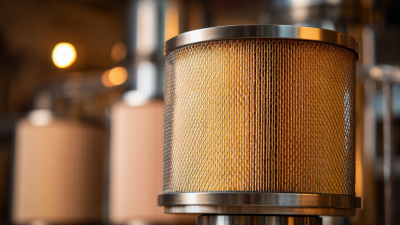
A desiccant filter is designed to remove moisture from the air. This type of filter uses hygroscopic materials, such as silica gel or activated alumina. These materials absorb water vapor, preventing it from entering sensitive environments.
Desiccant filters find their applications in various sectors, including industrial processes and HVAC systems. They help maintain a dry atmosphere, ensuring equipment operates optimally.
However, maintaining these filters is crucial. They can become saturated over time and lose effectiveness. Ignoring this can lead to increased humidity levels, potentially damaging equipment or products.
Understanding the workings of a desiccant filter is essential. It is not just a simple filtration system. It requires regular checks and replacements. Awareness of when to change these filters can help improve performance and longevity.
Desiccant filters serve an important role but demand careful management for best results.
The Functionality of Desiccant Filters
Desiccant filters play a vital role in moisture control across various applications. They work by absorbing excess humidity from the surrounding air, thus preventing damage to sensitive equipment and products. The materials used in these filters, often silica gel or activated alumina, have a high affinity for water molecules. This characteristic allows them to effectively capture and hold moisture, improving the overall air quality in enclosed spaces.
The functionality of desiccant filters is crucial in industries like pharmaceuticals and electronics. In these fields, excessive moisture can lead to product degradation or failure. The filter’s design often includes a housing that directs air through the desiccant material. Once the desiccant reaches its saturation point, it must be replaced or regenerated to restore its moisture-absorbing capabilities. Sometimes, the regeneration process is overlooked, leading to inefficient moisture control and potential risks to products.
While desiccant filters are highly effective, their performance can vary based on environmental conditions. High humidity levels may cause quicker saturation, necessitating frequent checks. Users should remain vigilant and ensure filters are maintained properly. Regular inspection of the filters can prevent unexpected failures and improve reliability. Inconsistent usage or neglect could lead to bigger problems, which could have been easily avoided.
Types of Desiccants Used in Filters
Desiccant filters are crucial in various applications, employing different types of desiccants to remove moisture effectively. Common desiccants include silica gel, activated alumina, and zeolites. Silica gel is a porous form of silicon dioxide, well-known for its high moisture absorption capacity. Studies indicate that silica gel can hold up to 40% of its weight in moisture, making it a reliable choice in many filter systems.
Activated alumina is another popular option. This material is formed from aluminum oxide and has a high surface area. It excels in removing water vapor and can operate in high-temperature settings. Industry reports suggest that activated alumina can effectively lower humidity levels to as low as 1 ppm, which is critical in sensitive environments like pharmaceuticals and electronics.
Zeolites are natural or synthetic minerals with a unique structure that allows for selective ion exchange. They are effective in both moisture and gas filtration. Recent data show that zeolite filters can maintain stability in diverse conditions, thus proving their versatility. However, improper selection of desiccants may lead to contamination or reduced efficiency. Hence, ongoing evaluation of desiccant performance is essential for optimal application results.
Applications of Desiccant Filters in Various Industries
Desiccant filters serve critical roles in various industries by controlling moisture levels. In pharmaceuticals, these filters help maintain product integrity. Excessive humidity can compromise drug stability, leading to reduced effectiveness. Desiccants within the filters absorb moisture and protect sensitive materials.
In the food industry, desiccant filters are equally important. They preserve quality by preventing spoilage. Many packaged foods require controlled environments during storage and transport. Desiccants ensure that moisture does not seep in, thereby prolonging shelf life.
However, there are challenges. Not all desiccants work equally well for every application. Some may require frequent replacement, leading to increased operational costs. Users must consider the specific needs of their products. Effective communication with suppliers can address such concerns. Each industry presents unique requirements that may not always align with standard solutions.
What is a Desiccant Filter and How Does It Work? - Applications of Desiccant Filters in Various Industries
| Industry |
Desiccant Material |
Key Benefits |
Common Applications |
| Pharmaceutical |
Silica Gel |
Prevents moisture to enhance shelf life |
Drug storage, packaging |
| Food & Beverage |
Molecular Sieves |
Maintains product quality and freshness |
Packaged snacks, dry foods |
| Electronics |
Activated Alumina |
Protects components from moisture damage |
Circuit boards, semiconductor packaging |
| Automotive |
Calcium Sulfate |
Prevents corrosion and ensures performance |
Interior air quality, fuel systems |
| Construction |
Bentonite Clay |
Controls humidity in building materials |
Cement, gypsum, plaster products |
Maintenance and Replacement of Desiccant Filters
Desiccant filters are essential for maintaining dry air in various systems. Regular maintenance keeps them functioning effectively. Knowing when and how to replace these filters is key to optimal performance.
When inspecting a desiccant filter, check for signs of saturation and wear. Filters often change color when they are spent. If you notice discoloration, it’s time for replacement. Excessive humidity can lead to reduced efficiency. Therefore, regular monitoring is crucial.
Tips to extend filter life: Keep the surrounding area clean. Avoid exposing the system to excessive moisture. This simple practice aids in maintaining filter effectiveness.
Always adhere to the manufacturer’s recommendations for replacement intervals. Filters may need replacing sooner if they are in high-humidity environments. Timely adjustments ensure that the filter continues to safeguard your equipment. Taking these steps can prevent costly failures.



 Email
Email Whatsapp
 WeChat