What is a Desiccant Filter and How Does It Work?
Desiccant filters are essential components in various industries, including HVAC, pharmaceuticals, and manufacturing. According to a market report from Research and Markets, the global desiccant filter market is projected to grow significantly, driven by increasing demand for moisture control. This growth highlights the importance of understanding how these filters operate and their role in preventing corrosion and contamination.
Dr. Emily Thompson, a leading expert in air filtration technology, states, “Desiccant filters play a crucial role in maintaining air quality and protecting sensitive equipment.” These filters utilize hygroscopic materials to absorb moisture from the air, ensuring optimal performance in critical environments. However, the effectiveness of a desiccant filter can diminish over time, requiring regular maintenance and replacement to ensure reliability.
Despite their benefits, selecting the right desiccant filter can be challenging. Factors such as the application, humidity levels, and filter lifespan need to be considered. Industry professionals emphasize the significance of thorough testing and knowledge in this area to make informed choices. As moisture control becomes increasingly vital, understanding desiccant filters is more important than ever.
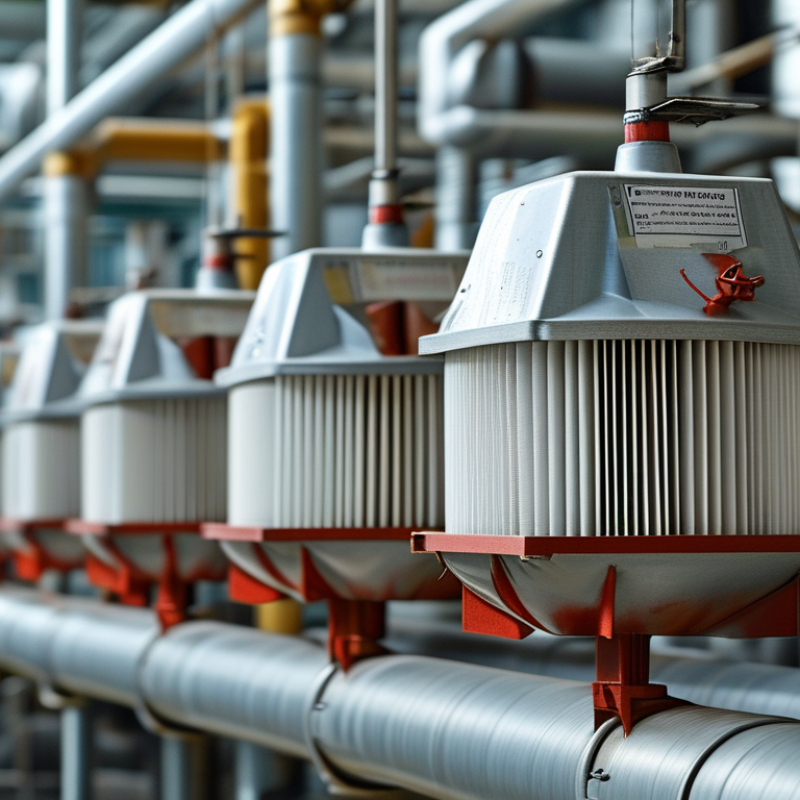
What is a Desiccant Filter? An Overview of Its Functionality
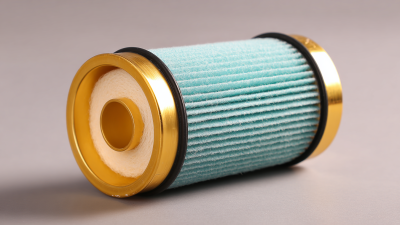
A desiccant filter is an essential component in various applications where moisture control is critical. These filters utilize desiccants, materials designed to absorb and retain water vapor. By maintaining low humidity levels, they protect sensitive equipment and products. Their functionality relies on the ability of desiccants to attract and hold moisture, thus preventing it from causing damage.
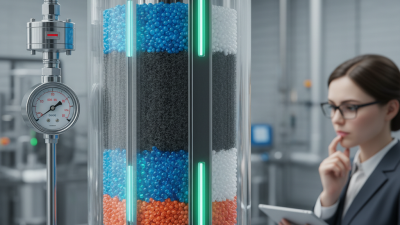
When air passes through a desiccant filter, moisture is captured by the desiccant material. Common desiccants include silica gel and activated alumina. These substances can significantly reduce the moisture content in the air. However, it's important to note that desiccants have limits. Once saturated, they can no longer absorb moisture effectively. Regular maintenance is crucial to ensure peak performance.
In industrial settings, desiccant filters are often employed in pneumatic systems and storage areas. Many overlook how environmental factors can affect a desiccant's efficiency. Heat, humidity, and airflow conditions play a significant role. Proper monitoring can prevent unexpected failures. Understanding how to integrate desiccant filters into systems can enhance reliability.
Desiccant Filter Performance Overview
The Science Behind Desiccant Materials: Types and Properties
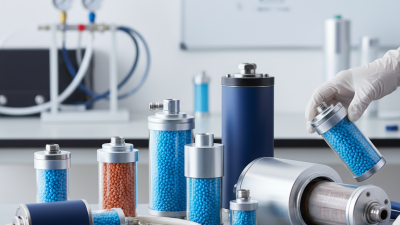
Desiccant filters are essential for controlling moisture in various environments. The crucial element lies in the desiccant materials used. These materials absorb moisture from the air, preventing damage and maintaining product integrity. Common types of desiccants include silica gel, activated alumina, and molecular sieves. Each type has unique properties that determine its efficiency and moisture-retention capacity.
Silica gel is widely recognized for its ability to absorb water vapor effectively. It can hold a significant amount of moisture relative to its size. Activated alumina, on the other hand, is effective for industrial applications due to its high surface area. Molecular sieves are specialized desiccants that can selectively adsorb molecules based on size, making them valuable in specific settings where moisture control is critical.
Tips for using desiccants effectively: Ensure you regularly check and replace desiccant materials to maintain performance. Consider the specific moisture levels in your environment. Using the right type of desiccant can make a noticeable difference. Always store them in a dry place to prevent premature saturation. A proactive approach will help enhance your moisture control efforts.
Applications of Desiccant Filters in Various Industries
Desiccant filters play a crucial role in various industries by controlling humidity and moisture. They use desiccants, materials that absorb water. This is vital for processes where excess moisture can cause damage or inefficiencies. In the pharmaceutical industry, these filters ensure that products remain stable and effective.
In the manufacturing sector, desiccant filters protect equipment and materials. Excess moisture can lead to corrosion and deterioration. Automotive manufacturers often rely on these filters to maintain component integrity. Even in food packaging, desiccant filters help extend shelf life by keeping products dry.
Despite their benefits, desiccant filters can be overlooked. Some may not fully understand how to maintain these systems. Improper usage can lead to failures. It’s important for industries to educate staff on best practices. Regular inspections and replacements of desiccants are vital for optimal performance.
Efficiency Factors: How Desiccant Filters Improve Air Quality
Desiccant filters play a crucial role in improving air quality. These filters use hygroscopic materials to absorb moisture from the air. By maintaining low humidity levels, they help prevent mold and mildew, which thrive in damp conditions. This is particularly important in closed environments, such as offices and living spaces.
The efficiency of desiccant filters hinges on several factors. The type of desiccant material greatly impacts its moisture absorption capability. Some materials can absorb more moisture than others, affecting performance. Temperature and airflow also play roles. Higher temperatures can enhance the absorption process, while stagnant air can reduce filter efficiency.
Regular maintenance is essential. Dust buildup can hinder airflow through the filter, diminishing its effectiveness.
It's vital to consider proper usage to maximize air quality. Overlooking the specific requirements of a desiccant filter can lead to subpar performance. Misplaced filters may not capture moisture effectively. Users should perform routine checks to ensure optimal function. While desiccant filters offer many benefits, awareness of how they work is crucial for achieving cleaner air.
Maintenance and Replacement: Best Practices for Desiccant Filters
Desiccant filters play a critical role in controlling humidity in various industries. To maintain optimal performance, regular maintenance is essential. The average lifespan of a desiccant filter is around two years, but this can vary based on usage and environmental conditions. Regular inspection can prevent performance issues and ensure airflow remains unobstructed.
When it comes to replacement, best practices recommend replacing the desiccant material every one to two years. According to industry reports, improper replacement can lead to up to 30% decrease in efficiency. Technicians should be trained to recognize signs of saturation. This includes reduced airflow and increased humidity levels. Such maintenance can reduce the risk of equipment corrosion, which has been shown to save companies an average of 20% on repair costs.
Additionally, assessing the surrounding environment is vital. High-moisture areas may require more frequent checks. Some experts suggest that maintaining a consistent temperature can extend the filter's effectiveness. Even minor fluctuations can impact the performance significantly. Companies should document maintenance activities to track performance metrics. This adds a layer of accountability and helps refine best practices over time.
What is a Desiccant Filter and How Does It Work? - Maintenance and Replacement: Best Practices for Desiccant Filters
| Dimension |
Description |
Best Practice |
| Material |
Common desiccant materials include silica gel, activated alumina, and molecular sieves. |
Choose a material that is compatible with the application environment. |
| Efficiency Rate |
Desiccant filters can achieve moisture removal efficiencies upwards of 99%. |
Regularly test efficiency to ensure optimal performance. |
| Lifetime |
Typically, desiccant filters last between 1-3 years depending on usage and environmental conditions. |
Schedule replacements based on manufacturer recommendations and performance metrics. |
| Regeneration |
Desiccants can often be regenerated by heating or using a vacuum to remove trapped moisture. |
Follow specific regeneration protocols to maintain effectiveness. |
| Applications |
Used in pharmaceutical, food processing, and electronics industries to control humidity. |
Assess application requirements to select appropriate desiccant filter type. |



 Email
Email Whatsapp
 WeChat