How to Choose the Right Desiccant Filter for Your Needs?
Choosing the right desiccant filter is crucial for various applications. These filters control humidity, ensuring that systems operate efficiently. With many options available, making a choice can be challenging.
Different types of desiccant filters serve unique purposes. It's vital to understand your specific needs before selection. Factors such as environmental conditions, system size, and filter capacity come into play. A wrong choice may lead to equipment damage and increased costs.
Many users overlook the importance of precise specifications. This can lead to misunderstandings and poor filter performance. Researching reliable brands and seeking professional advice can prevent these mistakes. Ultimately, a well-chosen desiccant filter enhances longevity and efficiency in your systems.
Understanding the Importance of Desiccant Filters in Various Applications
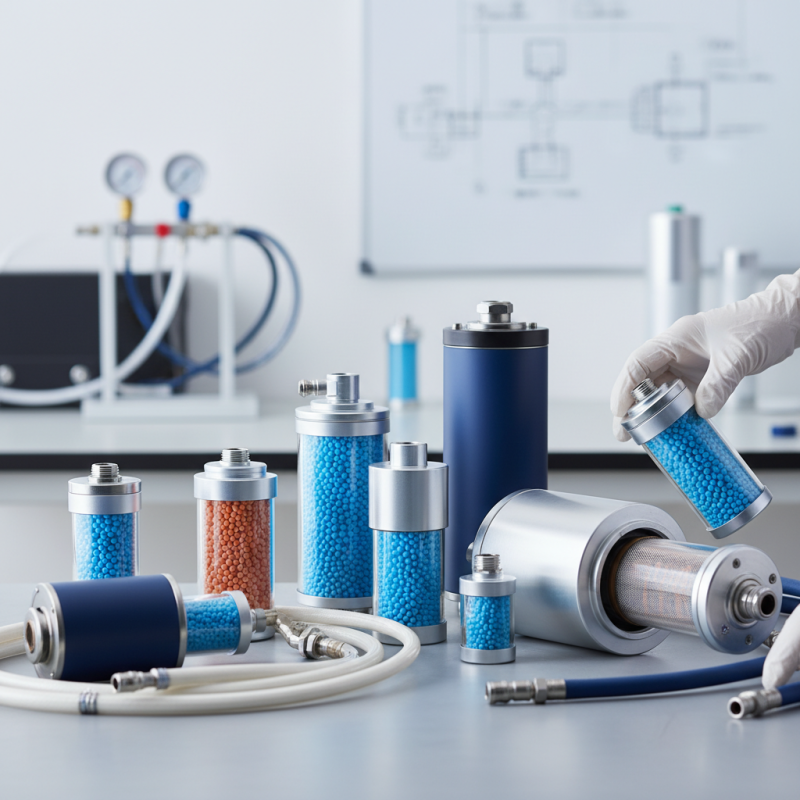
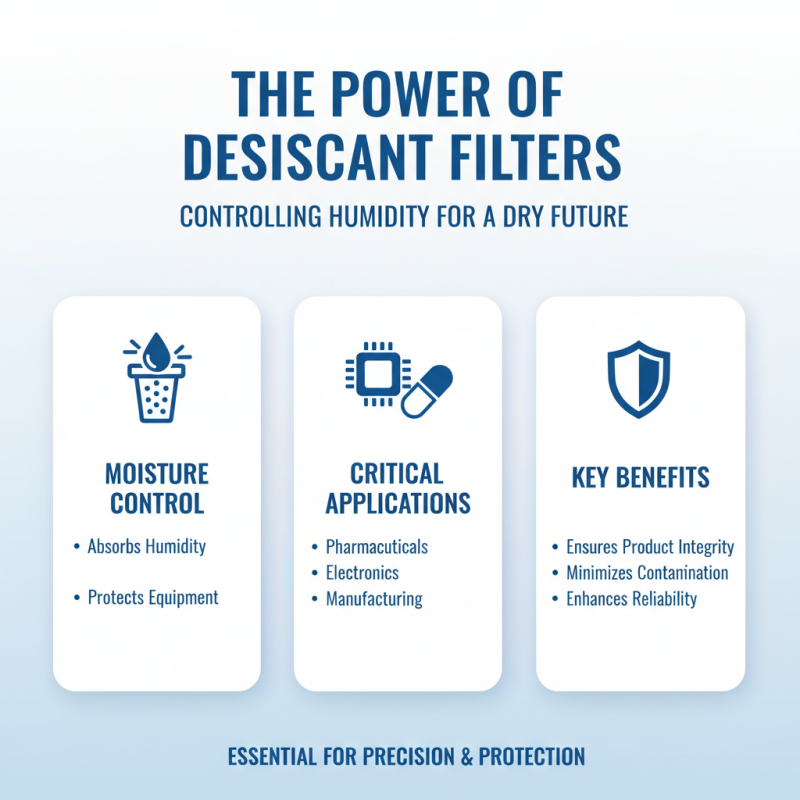
Desiccant filters play a crucial role in various applications, effectively controlling humidity. They absorb moisture, protecting sensitive equipment. In industries like pharmaceuticals and electronics, where precision is key, these filters are indispensable. They ensure product integrity by maintaining a dry environment, minimizing the risk of contamination.
Selecting the right desiccant filter requires understanding your specific needs. Consider the humidity levels in your environment. The filter’s capacity to absorb moisture affects its efficiency. Different materials are used in desiccant filters, including silica gel and activated alumina. Each material has unique properties that make it suitable for specific situations.
It's important to reflect on the performance of your selected filter. Regular monitoring and replacement may be necessary. Sometimes, users find that filters become less effective over time. This could lead to moisture issues, which are often overlooked. Analyzing your processes and adjusting as needed can improve outcomes significantly.
Identifying Your Specific Moisture Control Needs and Requirements
Identifying your moisture control needs is crucial when selecting a desiccant filter. Consider the environment. Is it humid or dry? High humidity areas require robust filters to manage excessive moisture. In contrast, drier climates might need less powerful options. Think about the specific application as well. Are you storing sensitive materials or industrial equipment? Each requirement can drastically change which desiccant filter is appropriate.
The capacity of the desiccant is another essential factor. Larger spaces may need more substantial solutions. Overestimating your requirements can lead to inefficiencies. Underestimating may cause moisture problems. Pay attention to the temperature conditions as well. Some desiccants perform poorly in extreme heat or cold. Ensure that the chosen filter adapts well to your unique conditions for effective moisture control.
You might face issues when choosing a filter that doesn’t align with your needs. Regular maintenance is also critical for all desiccant systems. Check if the filters need replacement periodically. A neglected filter can lead to unexpected failures. Each of these considerations plays an essential role in ensuring effective moisture management.
Moisture Absorption Capacity of Different Desiccant Filters
This chart illustrates the moisture absorption capacity of various desiccant filters used in applications for controlling humidity. Understanding the efficiency of each type can assist in choosing the right desiccant filter according to your moisture control needs.
Evaluating Different Types of Desiccant Materials Available in the Market
When evaluating different types of desiccant materials, it’s essential to consider their specific applications. Silica gel is popular due to its high moisture absorption capacity. It works well in enclosed spaces, such as packaging. However, it can become saturated and lose effectiveness over time. Therefore, monitoring is crucial to ensure optimal performance.
Another option is activated alumina, known for its durability and reusability. This material can absorb both moisture and odors, making it versatile. Yet, it may not be as effective in lower humidity environments. Users should assess their specific conditions before making a decision.
Molecular sieves offer a more advanced solution. They can selectively absorb certain molecules, providing precise control over humidity levels. However, they are typically more expensive than other options. Evaluating the cost against performance can help in choosing the right type. Each material has its pros and cons, demanding careful consideration of your unique needs.
Comparing Desiccant Filter Features and Specifications for Optimal Selection
When selecting a desiccant filter, one must carefully compare features and specifications. A well-chosen filter can enhance moisture control, crucial in various industrial applications. According to industry reports, improper selection may lead to a 20% increase in energy costs. Therefore, understanding the key specifications is vital.
Material composition plays a significant role in a filter's performance. Common materials include silica gel and activated alumina. Each has unique properties affecting adsorption capacity. Silica gel is popular for its high moisture absorption rate, often exceeding 30% by weight under specific conditions. Activated alumina, conversely, excels in high-temperature environments but can be less effective in lower humidity.
Tips: Pay attention to the filter's lifespan and regeneration capability. Some filters may require frequent replacement, impacting overall operating costs. Conducting regular maintenance checks can help identify inefficiencies early.
The flow rate is another critical specification for optimal performance. Filters must match the airflow in your system. Oversized filters can lead to lower efficiency. Conversely, undersized filters may become saturated quickly. Always check the manufacturer's guidelines for airflow rates to avoid potential issues.
Understanding these specifics can provide insight into your filtration needs. Consider conducting a cost-benefit analysis when selecting filters. Sometimes, a less expensive option may offer better long-term savings.
How to Choose the Right Desiccant Filter for Your Needs?
| Feature |
Specification A |
Specification B |
Specification C |
| Desiccant Type |
Silica Gel |
Activated Alumina |
Molecular Sieve |
| Temperature Range (°C) |
-20 to 80 |
-40 to 60 |
-70 to 150 |
| Moisture Absorption Capacity |
20% of weight |
15% of weight |
25% of weight |
| Ideal Uses |
General storage |
Chemical processes |
Biomedical applications |
| Regeneration Capability |
Yes, via heat |
Yes, via heat |
Yes, via vacuum |
| Cost per Unit |
$0.50 |
$0.75 |
$1.00 |
Budget Considerations and Cost-Effectiveness of Desiccant Filters
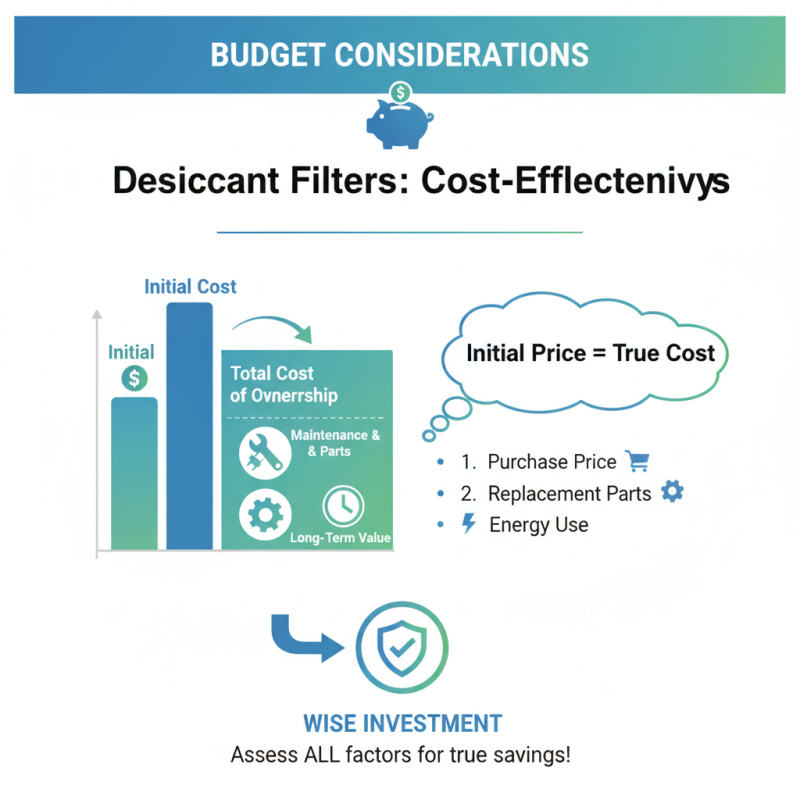
When considering desiccant filters, budget is crucial. The initial cost can vary widely. Some filters may seem affordable initially, but ongoing maintenance can add up. It's important to assess not just the purchase price, but the total cost of ownership. This includes replacement parts and energy consumption over time.
Cost-effectiveness is a real concern. A higher-quality filter may cost more upfront, but it could save money in the long run. Energy-efficient models may reduce operational costs. Look for filters with longer service lives to minimize replacements. Reading reviews and seeking expert opinions can provide insights into the value of different options.
Taking the time to research is vital. Many users overlook hidden costs and risks. Without thorough understanding, you may end up with a less effective solution, leading to bigger expenses later. This reflection can guide you to make better choices that fit both your needs and budget.



 Email
Email Whatsapp
 WeChat