How to Choose the Best Heat Blower Fan for Your Needs?
Choosing the right Heat Blower Fan can significantly impact your comfort and efficiency at home or in a workspace. According to a recent report from the American Heating Association, proper ventilation and heating are crucial for maintaining a safe environment. The market for heat blower fans has grown, with a projected CAGR of 6% over the next five years.
When considering a Heat Blower Fan, factors like size, power, and noise levels matter. Many consumers overlook these aspects, only focusing on price. However, a high-quality fan can enhance air circulation and reduce heating costs. Selecting the right model can lead to a 20% decrease in energy bills, as stated by Home Energy Magazine.
Yet, not all fans meet expectations. Some are too loud or ineffective, leaving users frustrated. It's essential to examine user reviews and ratings. Evaluating your needs carefully against the options available might require deep reflection. Be cautious about impulse purchases, as not every Heat Blower Fan will serve your specific requirements well.

Understanding the Different Types of Heat Blower Fans Available
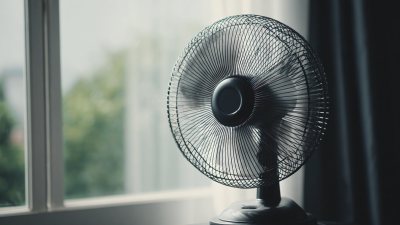
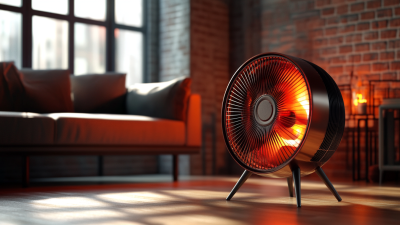
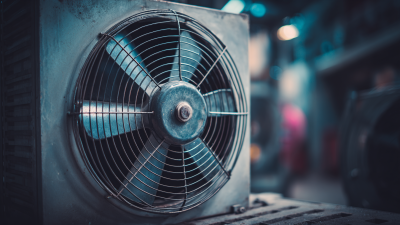
When choosing a heat blower fan, it's essential to understand the various types available. There are three main categories: portable, wall-mounted, and industrial blowers. Portable fans are versatile and can be easily moved around. They are ideal for small spaces and quick heating jobs. Wall-mounted fans, on the other hand, save space and are great for fixed heating needs. They often feature adjustable settings for better control. Industrial blowers are more powerful, designed for large areas. They provide rapid heating but may not suit residential needs.
Consider your specific requirements when selecting a heat blower fan. Think about the size of the area you want to heat. A portable fan might suffice for a single room, but larger spaces may need an industrial model. Additionally, the noise level is worth noting. Some fans can be noisy, which might be disruptive in quiet environments. Pay attention to energy efficiency ratings as well; high-energy consumers can lead to increased electricity bills. Balancing these factors is crucial for making the right choice.
Key Features to Consider When Selecting a Heat Blower Fan
When selecting a heat blower fan, consider several key features. First, look at the heating capacity, usually measured in BTUs. A unit with a capacity between 5,000 to 10,000 BTUs is sufficient for most small to medium spaces. This is crucial for efficient heating. Research indicates that good heat circulation can enhance comfort levels by up to 30%.
Next, consider the fan speed settings. Multiple fan speeds allow for customizable heating. According to recent consumer reviews, models with at least three speed options are preferred. They provide more control over airflow and heating intensity. Additionally, energy efficiency is vital. Look for fans with an energy efficiency rating above 80%. These fans can save up to 20% on heating costs.
Portability is another feature that shouldn’t be overlooked. Some fans are lightweight with handles for easy movement. It’s beneficial to have flexibility in where you want to use the heater. However, it's common to overlook the importance of noise levels. A unit that’s too loud becomes a distraction. Aim for models that operate under 50 decibels for a quieter experience. Balancing these features can lead to a better heating solution tailored to your needs.
Assessing the Necessary Power Output and BTU Ratings for Your Space
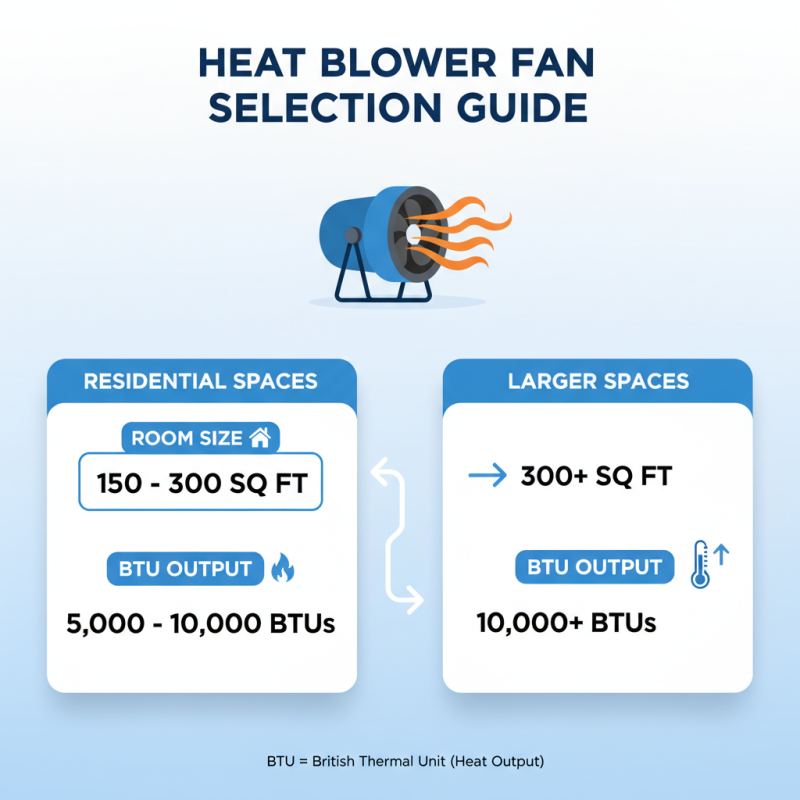
When selecting a heat blower fan, understanding power output and BTU ratings is crucial. BTU, or British Thermal Unit, measures heat output. For residential spaces, a fan with 5,000 to 10,000 BTUs is typically adequate. This range can efficiently heat rooms between 150 to 300 square feet. Larger spaces may require fans exceeding 10,000 BTUs.
Consider the insulation of your room. Poorly insulated areas require more power to maintain warmth. According to industry reports, enhancing insulation can reduce heat requirements by up to 30%. Many buyers overlook this dimension and may choose underpowered models, leading to dissatisfaction.
Tips: Always measure your room before purchasing. Calculate the required BTUs based on room size and insulation. Check energy consumption; higher BTU doesn't always mean higher efficiency.
Choosing the right heat blower fan isn't just about picking a model. It involves practical assessments of your living space. Not everyone needs the most powerful fan. Those with smaller, well-insulated rooms might find that a lower BTU rating works just as well. Inadequate consideration can result in discomfort and increased energy bills. Seek balance for your heating needs.
Evaluating Energy Efficiency Ratings and Their Impact on Costs
When evaluating heat blower fans, energy efficiency ratings play a vital role in determining cost-effectiveness. Higher ratings indicate that a fan will use less energy while delivering the same heating power. This can lead to significant savings on energy bills over time. For instance, a fan with a high efficiency rating might cost more upfront but save you money in the long run.
Tips: Look for fans that display their energy efficiency rating prominently. Each point of efficiency can translate to real savings. Research and read reviews to ensure you're making an informed decision.
It's essential to consider the fan's intended use. A fan for occasional use might not need the same efficiency as one used daily. Think about how many hours per day you plan to run it. Also, remember, more efficient heaters often come with advanced features that may not be necessary for your needs.
Tips: Assess your heating needs before purchasing. A more powerful fan may not always be better. Balance power and efficiency according to your space size. Making a thoughtful decision on this can ultimately reduce frustration and costs.
Comparing Top Brands and Their Performance Ratings in the Industry
Choosing the right heat blower fan can be a daunting task. Several brands dominate the market, each claiming superior performance. When comparing these brands, it’s essential to look at their ratings in terms of efficiency, noise levels, and durability.
Top brands often vary in specific features. Some excel in energy consumption but sacrifice airflow. Others provide great airflow but are barely portable. It can be tough to find a balance. Reading user reviews can shed light on real-world experiences. Users often highlight issues not mentioned in product descriptions, like inconsistent heating or undesired noise levels.
Tips: Always check the fan's wattage for energy costs. Consider the size of the space you want to heat. Smaller fans can struggle in larger areas. Look for models with adjustable settings for versatility. It's worth remembering that not every high-rated fan works for every situation. Evaluate your needs carefully.



 Email
Email Whatsapp
 WeChat