How to Choose the Best Blower Motor For Your AC Unit?
Choosing the right blower motor for your AC unit is crucial for optimal performance. According to HVAC expert John Smith, “The right blower motor can make or break your air conditioning system.” Selecting a blower motor involves understanding your specific unit’s requirements.
Many factors come into play. The size and power of the blower motor must match your AC unit’s specifications. Improper sizing can lead to inefficiencies or failures. Also, consider the motor type, whether it’s PSC or ECM, as this impacts energy consumption.
You may face confusion navigating the options available. Pay attention to the compatibility with your existing system. Expert advice reinforces the need to prioritize quality and reliability. Remember, a well-chosen blower motor for your AC unit not only enhances comfort but also extends the life of your system. Always reflect on the long-term benefits of your choice before making a decision.
Understanding the Role of Blower Motors in AC Units
Blower motors play a crucial role in the efficiency of air conditioning systems. They are responsible for circulating air throughout your home. A well-functioning blower motor ensures that cooled or heated air effectively reaches every room. If the motor fails, occupants may notice inconsistent temperatures and poor air quality.
Choosing the right blower motor requires a bit of expertise. Consider factors like size, power, and speed settings. For instance, too small a motor may struggle to push air effectively. Conversely, an oversized motor might consume excess energy, leading to higher utility bills. There are different types of blower motors, including PSC and ECM, each with unique advantages.
Inconsistencies in air delivery can signal underlying issues. Homeowners may overlook these subtle signs. Regular maintenance and awareness of these signals can extend the lifespan of your AC unit. An informed choice will ultimately enhance comfort and efficiency.
Types of Blower Motors: Which is Best for Your AC System?
When selecting a blower motor for your AC system, understanding the different types available is crucial. There are mainly two types: PSC (Permanent Split Capacitor) motors and ECM (Electronically Commutated Motors). PSC motors are more traditional and often less expensive. They operate at a constant speed but can be less energy-efficient. In contrast, ECM motors adjust their speed based on the system's demand, providing better energy efficiency. Reports indicate that ECM motors can save up to 30% on energy costs compared to PSC motors.
Choosing the right blower motor also depends on your specific needs. For larger homes or those in warmer climates, the efficiency of an ECM may outweigh the cost savings of a PSC. Conversely, for smaller spaces, a PSC motor might suffice. Interestingly, many homeowners overlook the importance of airflow. A well-sized motor improves airflow significantly, enhancing comfort. Unfortunately, a mismatch between the blower motor and the AC unit can lead to unnecessary repairs and inefficiencies.
Moreover, the compatibility of the blower motor with existing systems can be a complex issue. It's important to consider the voltage and physical dimensions. Improper installation can lead to durability issues. While it might seem easy to choose based on cost, it's essential to weigh long-term performance and energy usage. The decisions made today can impact future comfort and utility bills.
Key Factors to Consider When Selecting a Blower Motor
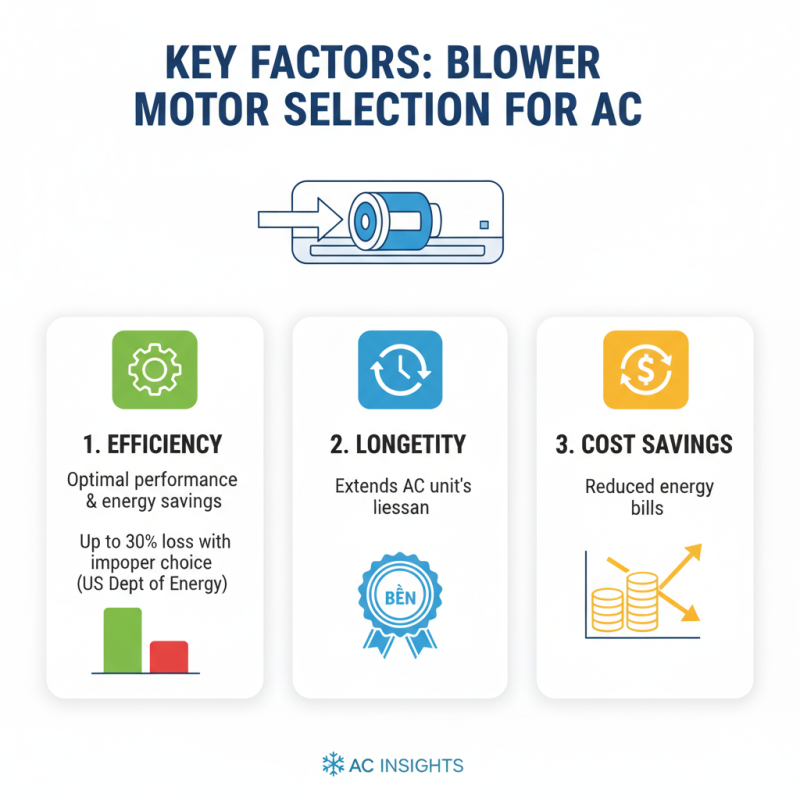
Choosing the right blower motor for your AC unit is crucial for optimal performance. A well-matched blower motor enhances efficiency and longevity. According to a report by the U.S. Department of Energy, improper motor selection can decrease system efficiency by up to 30%. This factor significantly impacts energy bills and the lifespan of the unit.
When selecting a blower motor, consider airflow requirements. The cubic feet per minute (CFM) rating indicates how much air a motor can move. A motor with insufficient CFM leads to inadequate cooling. Conversely, excess CFM can create issues like drafts and decreased humidity control.
Also, look at the power consumption. Efficient motors use less electricity. The best motors are rated for high performance with lower wattage. High-efficiency units can reduce annual energy costs by around 15% according to the Energy Star program. Reliability is another factor. Some motors wear out faster than others, often due to poor design or inadequate materials. Therefore, investing in a durable option can save money in the long run.
Assessing Compatibility with Your Existing AC Unit
Assessing compatibility is crucial when selecting a blower motor for your AC unit. Each model has unique specifications, including size and power requirements. Start by checking the existing motor in your unit. Measure dimensions accurately and note the voltage rating. These details establish a baseline for your search.
It’s helpful to consult your AC unit’s manual for manufacturer specifications. This document often provides essential information on compatible parts. Pay attention to airflow ratings and horsepower as well. Inconsistencies here may lead to insufficient cooling or increased energy costs.
Don't rush the decision. Take your time to compare various options. Look for user reviews on reliable platforms to gauge performance. Sometimes, installation flexibility can make a significant difference. If a model appears ideal but lacks exact specifications, consider its closest alternatives. Finding that perfect balance can be challenging, but a careful approach yields better results.
Tips for Installation and Maintenance of Your Blower Motor
Installing and maintaining your blower motor is crucial for optimal AC performance. Routine checks can prevent major issues later. Start by ensuring the motor is clean and free from dust. Dust buildup can affect efficiency and airflow.
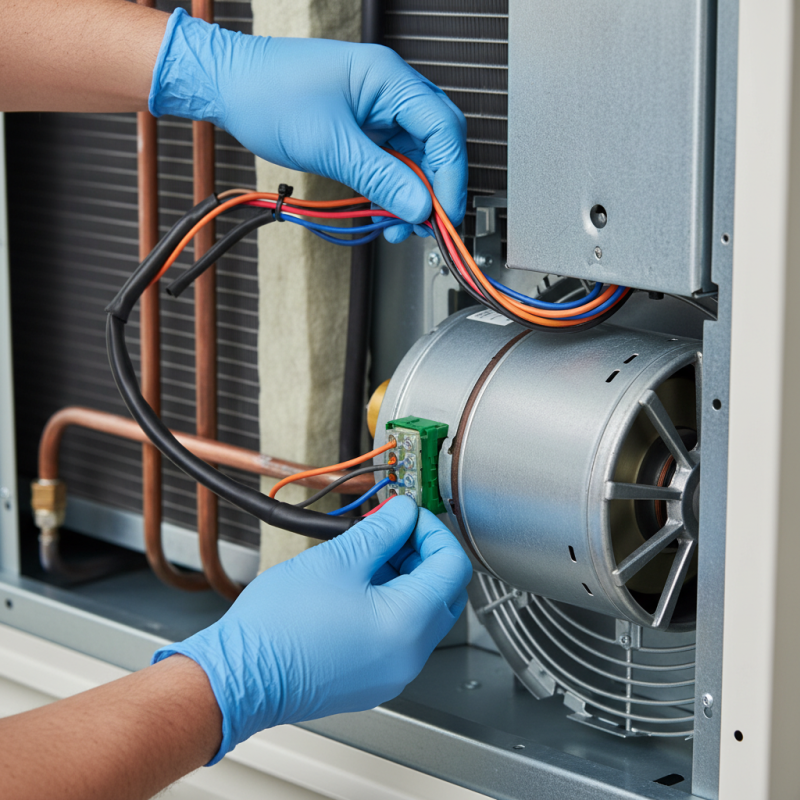
Tip: Regularly inspect the blower motor for loose wires or connections. Tighten any loose fasteners to avert disruptive noise and performance issues. Don’t ignore any strange sounds; they may indicate underlying problems. Listen closely.
Another aspect to consider is lubrication. Some motors require regular lubrication to function smoothly. Check your motor’s specifications for guidance. If lubrication is neglected, wear and tear can accelerate.
Tip: Record the date of maintenance tasks. This practice helps track your motor's health over time. Reflect on any patterns that emerge and adjust your maintenance schedule as necessary.



 Email
Email Whatsapp
 WeChat