2026 How to Choose the Right Fan Motor For AC Unit?
Choosing the right fan motor for an AC unit is crucial for optimal performance. A well-functioning fan motor ensures efficient air circulation and cooling. Understanding the complexities of fan motors helps homeowners make informed decisions.
Different types of fan motors exist. Some are designed for specific AC models. Quality varies significantly, impacting overall efficiency. Selecting the wrong fan motor can lead to inadequate cooling or increased energy costs. It’s important to consider compatibility with your unit.
Experts recommend evaluating factors such as size, efficiency ratings, and noise levels. You should also check manufacturer guidelines. Make sure to prioritize reliable brands. Reflecting on your choices can lead to better outcomes. Choosing wisely can enhance comfort and lower utility bills.
Understanding the Basics of Fan Motors for AC Units
Choosing the right fan motor for an AC unit is essential. The fan motor's role is to circulate air, maintaining a comfortable environment. Understanding the basics of fan motors can help you make an informed decision.
Fan motors vary in terms of size, speed, and efficiency. Knowing the dimensions of your AC unit can streamline the selection process. For instance, a larger space often requires a more powerful motor. A motor's efficiency rating can affect energy use. Higher efficiency means lower electricity bills.
Installation is another critical factor. Some motors are more complex to install than others. If you're not familiar with motor installation, it may lead to mistakes. Misalignment can cause excessive wear and noise. Regular maintenance checks are vital for prolonging motor life. Ultimately, making the right choice requires careful consideration and knowledge.
Key Factors to Consider When Choosing a Fan Motor
When selecting the right fan motor for an AC unit, several key factors come into play. First, consider the motor's power consumption. According to the U.S. Department of Energy, fan motors can account for nearly 50% of an air conditioner's total energy use. Energy-efficient models can significantly reduce this cost, a factor not to overlook when making a decision.
Next, reliability is crucial. Research indicates that a reliable fan motor can extend the lifespan of an AC unit. Motors that overheat or fail can lead to costly repairs. It's vital to assess the motor's specifications and understand its heat dissipation capabilities. Models built with higher quality materials often have better performance and longevity.
Lastly, compatibility should not be ignored. Choose a fan motor that aligns with the AC’s specifications. Mismatched units can reduce efficiency and lead to assembly issues. Proper fit ensures optimal airflow and energy usage, resulting in better cooling performance.
Make informed choices by examining these factors carefully.
Types of Fan Motors Suitable for Various AC Systems
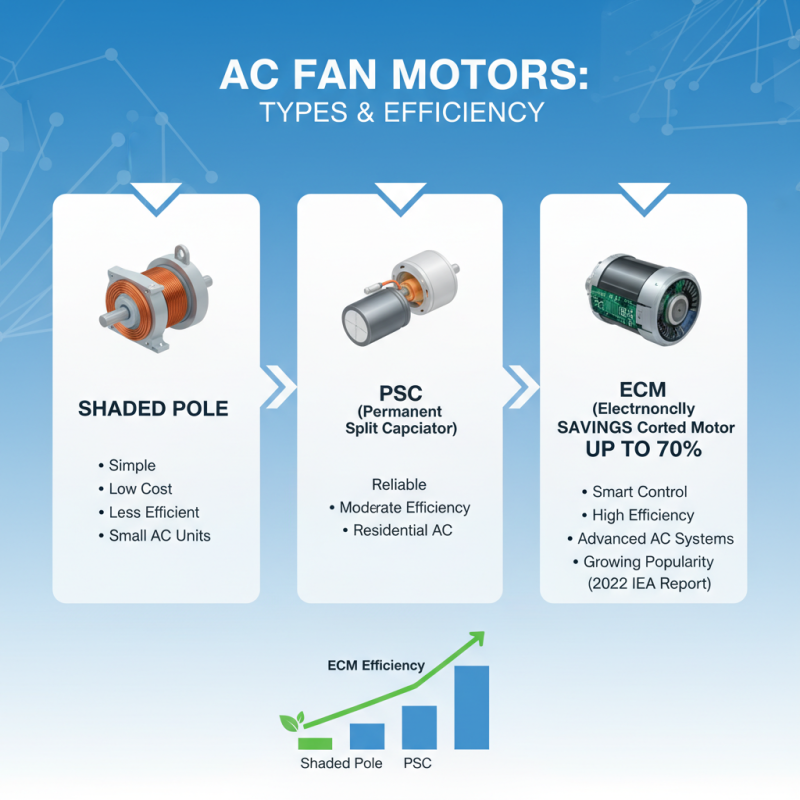
When selecting a fan motor for an AC unit, it's crucial to understand the types available. Common types include shaded pole motors, PSC (Permanent Split Capacitor) motors, and ECM (Electronically Commutated Motors). Each type has distinct features and benefits tailored to various AC systems. According to a 2022 report by the International Energy Agency, ECMs are gaining popularity due to their energy efficiency, potentially reducing energy consumption by up to 70%.
Shaded pole motors are simpler and less expensive but provide lower efficiency. They are best suited for small window or portable AC units. In contrast, PSC motors offer better performance, making them suitable for standard central air conditioners. Their design allows for variable speeds. It's essential to assess the required airflow and system pressure before making a choice.
Tips: Always consider the motor's compatibility with your current AC system. Check the power rating and voltage requirements. Conduct regular maintenance checks to avoid premature motor failure. Moreover, pay attention to noise levels. ECMs tend to operate more quietly, which could be a deciding factor for residential settings. Proper fan motor selection can enhance your AC's efficiency and extend its lifespan.
Assessing Efficiency Ratings and Performance Metrics
When choosing the right fan motor for your AC unit, efficiency ratings matter. These ratings help you gauge how well a motor operates compared to others. Higher efficiency translates to lower energy consumption. Energy-efficient motors can significantly reduce your electricity bills over time.
However, many overlook the importance of matching the motor's efficiency with the specific needs of their AC system.
Performance metrics are another crucial factor. Consider airflow, noise levels, and durability. A motor might boast high efficiency but produce excessive noise, making it undesirable. The balance between efficiency and performance is tricky.
Look for metrics that fit your environment. For instance, quieter motors are beneficial for homes, while industrial settings might prioritize raw airflow.
Also, take time to research different motor types. Inconsistent performance may result from choosing the wrong specifications. It’s essential to reflect on your requirements. Ask yourself if you truly understand the implications of the numbers you see.
Keep in mind that what works for one unit may not suit another. Each decision can lead to long-term consequences for comfort and energy use.
Installation and Maintenance Tips for Fan Motors in AC Units
When it comes to selecting a fan motor for your AC unit, proper installation and maintenance are crucial. A well-installed fan motor ensures optimal performance and energy efficiency. It's essential to read the manufacturer's guidelines before installation. Make sure the motor is compatible with your AC unit's specifications. Incorrect installation can lead to overheating or inefficient airflow.
Tips for installation: Always check for proper alignment and secure connections. Loose wires can cause shorts or disrupt functionality. Consider using vibration pads to reduce noise and improve longevity.
Maintenance is equally important. Regular cleaning of the fan motor helps prevent dust buildup, which can hinder performance. Inspect wiring for signs of wear. A damaged wire can lead to significant issues. Replace parts promptly to avoid further complications.
Keeping a maintenance log helps track service and repairs. You may notice patterns that indicate when proactive measures are needed. This approach can save time and money in the long run. Regular inspections contribute to a longer lifespan for your AC unit.
Fan Motor Power Consumption Comparison for AC Units



 Email
Email Whatsapp
 WeChat