2025 How to Choose the Right Heater Blower Motor for Your Vehicle
When it comes to maintaining optimal comfort within your vehicle, the importance of selecting the right Heater Blower Motor cannot be overstated. In 2023, a comprehensive report by the Automotive Parts Association revealed that approximately 15% of all vehicle climate control system failures are directly related to malfunctioning heater blower motors. This underscores their critical role in ensuring that warm air is efficiently circulated throughout the cabin, especially in colder climates. As we look ahead to 2025, understanding the specifications and features of heater blower motors is essential for both vehicle owners and service technicians alike.
According to industry expert Jane Smith, a leading automotive engineer, “Choosing the right Heater Blower Motor is vital not just for comfort, but also for the overall performance and longevity of the vehicle's heating system.” This statement echoes the sentiment shared by professionals across the automotive sector, emphasizing the necessity for precise selection based on vehicle compatibility, efficiency ratings, and durability standards. With advancements in technology and evolving consumer demands, a well-informed decision can enhance not only driver satisfaction but also contribute to improved energy efficiency and reduced carbon emissions in the automotive landscape. Thus, the correct installation and selection of Heater Blower Motors will be increasingly significant as the industry moves towards sustainability and innovation.

Understanding the Function of Heater Blower Motors in Vehicles
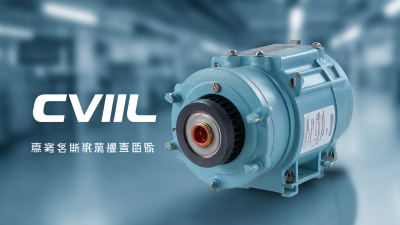
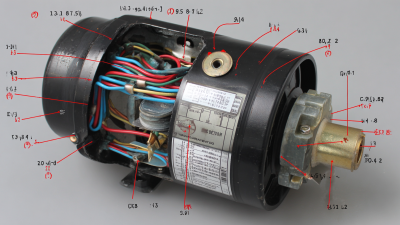
Heater blower motors play a crucial role in maintaining comfort inside your vehicle by facilitating the flow of warm air during colder months. These motors are responsible for moving air over the heating elements, ensuring that the cabin heats up efficiently. When you adjust the temperature settings or fan speed, it is the blower motor that responds to these changes, making it integral to your vehicle’s heating system and overall comfort.
When choosing the right heater blower motor for your vehicle, consider the specific needs of your car model. Check for compatibility and the power requirements of the motor. Additionally, take note of the noise levels; a high-quality blower motor should operate quietly. Inspecting the previous motor's condition can also provide insights into whether you need a direct replacement or an upgraded version.
**Tips**:
1. Always refer to your vehicle's manual to locate the correct specifications for the blower motor.
2. Look for motors with good warranty options to ensure long-term reliability.
3. Consider purchasing from reputable brands known for durability and performance to avoid frequent replacements.
2025 How to Choose the Right Heater Blower Motor for Your Vehicle
| Category |
Description |
Key Features |
Typical Price Range |
Installation Difficulty |
| Standard Heater Blower Motor |
Basic motor for heating system, used in most vehicles. |
Affordable, efficient airflow, easy to source. |
$50 - $150 |
Low |
| High-Efficiency Heater Blower Motor |
Designed for better airflow and energy efficiency. |
Variable speed settings, lower power consumption. |
$100 - $250 |
Medium |
| Turbo Heater Blower Motor |
High-performance blower for fast heating in large vehicles. |
Rapid heat output, robust design, noise control. |
$200 - $400 |
High |
| Variable Speed Heater Blower Motor |
Adjustable speed settings for customizable comfort. |
Multiple fan speeds, improved control, energy-efficient. |
$80 - $180 |
Medium |
| DIY Blower Motor Kit |
For enthusiasts who want to customize or upgrade their blower. |
Customizable parts, requires assembly. |
$150 - $300 |
High |
Identifying Different Types of Heater Blower Motors
When choosing the right heater blower motor for your vehicle, it's essential to understand the various types available in the market. Generally, heater blower motors can be categorized into two main types: permanent magnet motors and series wound motors. Permanent magnet motors are known for their efficiency and quieter operation, making them a popular choice in modern vehicles. In contrast, series wound motors offer higher torque and can deliver more airflow, which is particularly beneficial in heavy-duty applications. According to the Automotive Aftermarket Suppliers Association (AASA), approximately 30% of vehicle issues related to the HVAC system can be traced back to blower motor failures, emphasizing the importance of selecting a compatible and reliable motor.
Tip: Always consult your vehicle’s manual for specific motor specifications and compatibility before making a purchase. This will not only ensure optimal performance but also enhance the longevity of your heating system.
In addition to understanding motor types, considering the motor’s power rating is crucial. A blower motor with a higher wattage usually translates to enhanced airflow capabilities, which can significantly impact cabin heating efficiency. A report by the International Council on Clean Transportation indicates that an efficient heating system can improve overall driving comfort and decrease fuel consumption by up to 15%.
Tip: When browsing for a heater blower motor, look for motors that meet or exceed OEM specifications to guarantee quality and fit.
Key Factors to Consider When Selecting a Heater Blower Motor
When selecting a heater blower motor for your vehicle, it's crucial to consider several key factors to ensure optimal performance and compatibility. First, pay attention to the motor's specifications, including voltage, amperage, and airflow rate. According to industry reports, the average airflow rate for automotive heater blower motors ranges between 200 to 400 CFM (Cubic Feet per Minute), which significantly affects cabin comfort level and defrost performance.
Additionally, the material quality is essential; a well-constructed motor can withstand heat and wear over time. Look for motors made from durable materials like high-grade plastic and steel components. Research indicates that using high-quality blower motors can extend their lifespan by 20-30%, reducing the need for frequent replacements and repairs.
**Tips:** Always check your vehicle's manufacturer recommendations for compatible blower motors to avoid compatibility issues. Furthermore, consider investing in aftermarket options with higher airflow ratings for enhanced temperature control, especially in colder climates. Lastly, don’t overlook warranties—choose a blower motor with a solid warranty for added protection against defects and performance failures.
2025 Heater Blower Motor Selection Factors
This bar chart illustrates the importance of various factors to consider when selecting a heater blower motor for your vehicle. The rating scale from 1 to 10 indicates how crucial each factor is in the selection process, with 'Airflow Rate' and 'Durability' being the most critical aspects.
How to Evaluate Compatibility with Your Vehicle Model
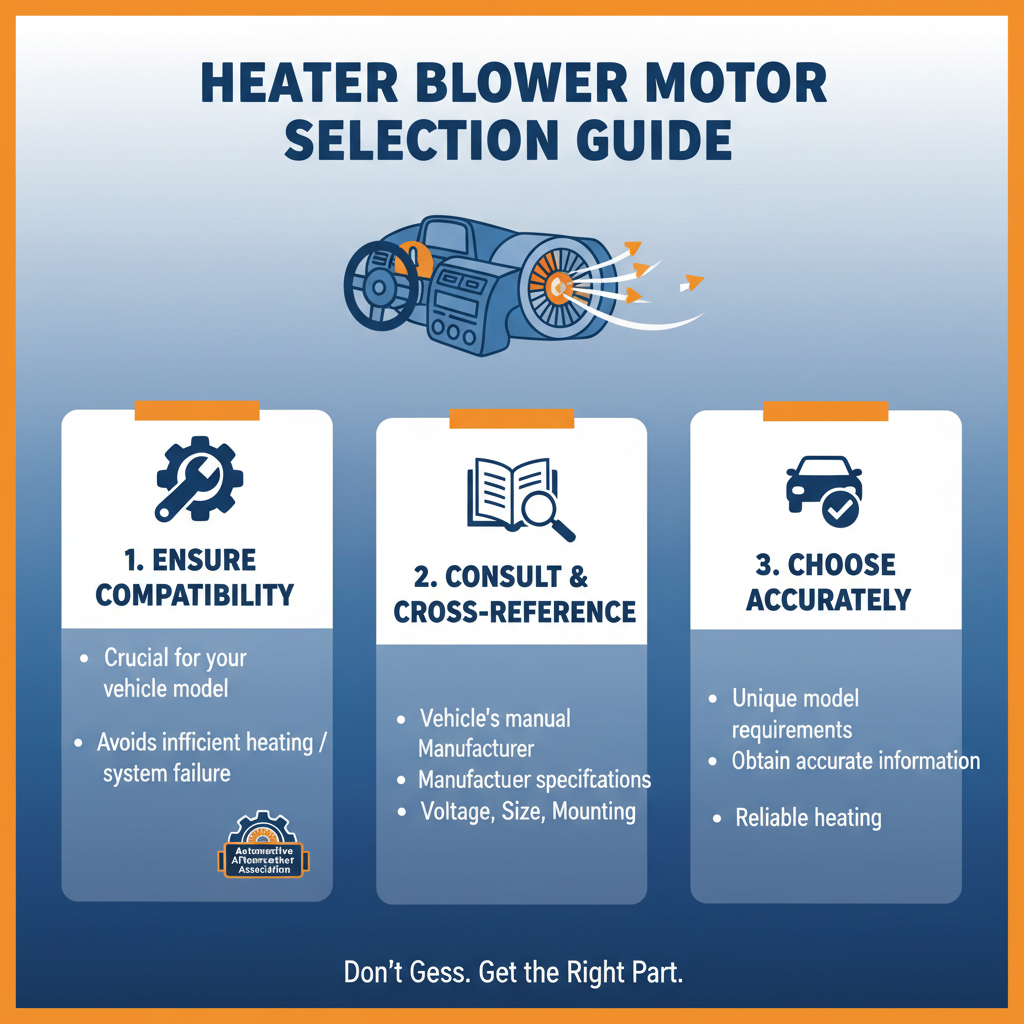
When selecting a heater blower motor for your vehicle, ensuring compatibility with your specific model is crucial. According to the Automotive Aftermarket Industry Association, improper parts selection can lead to issues such as inefficient heating or complete system failure. This highlights the importance of consulting your vehicle's manual and cross-referencing the blower motor specifications provided by manufacturers. Most vehicle models have unique requirements regarding voltage, size, and mounting configurations, making it essential to obtain accurate information.
Additionally, industry reports indicate that over 25% of car owners face challenges when sourcing compatible replacement parts, often leading to unnecessary expenses. To prevent this, utilize online databases and platforms that allow you to input your vehicle's make, model, and year to ensure the blower motor you choose is specifically designed for your car. Moreover, paying attention to OEM (Original Equipment Manufacturer) parts can significantly improve performance and longevity, ultimately providing better heat distribution and enhancing passenger comfort during colder months.
Maintenance Tips for Prolonging the Life of Your Heater Blower Motor
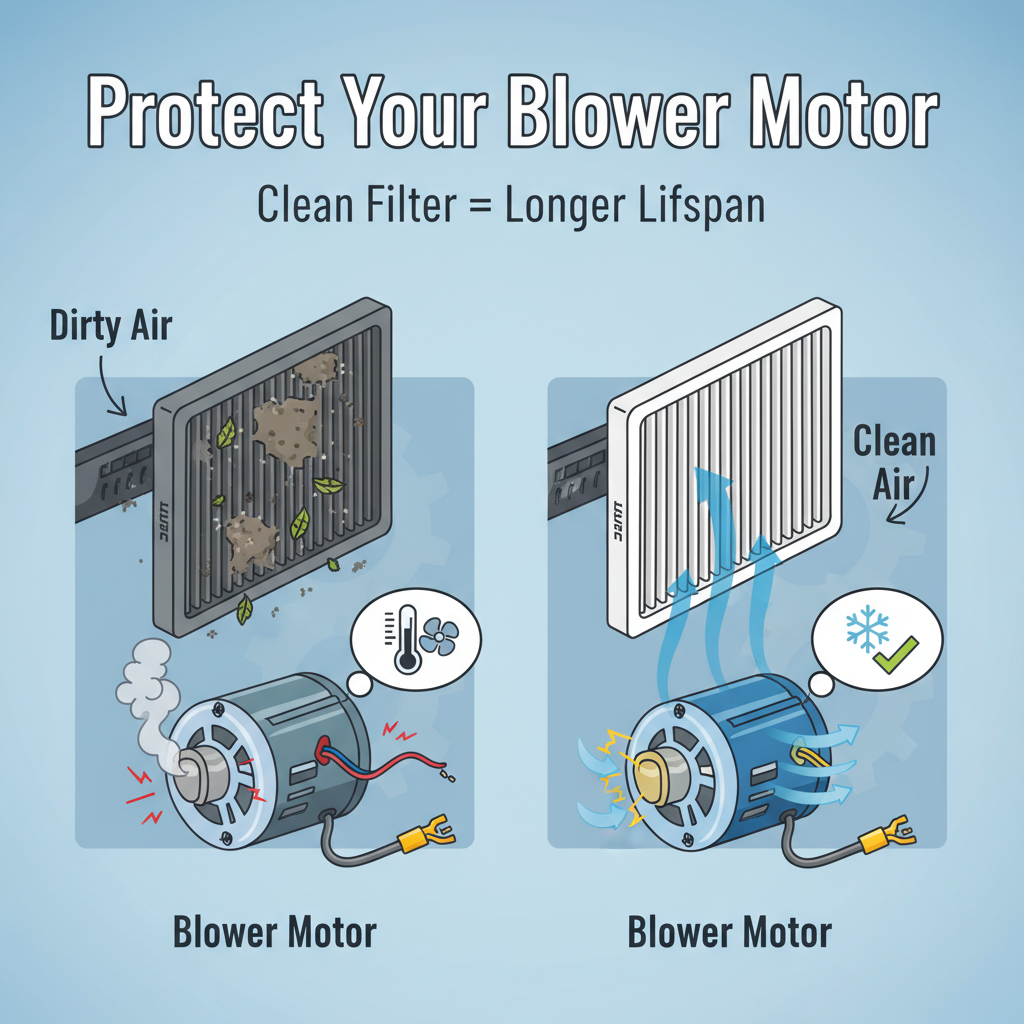
Maintaining your vehicle's heater blower motor is crucial for ensuring both comfort and safety during colder months. According to a report from the Automotive Maintenance and Repair Association (AMRA), regular maintenance can extend the lifespan of your blower motor by up to 50%. Simple practices, such as checking and replacing the cabin air filter, can prevent dust and debris from entering the motor, which can lead to overheating and premature failure. Ensuring that the motor's electrical connections are secure and free from corrosion is also essential; studies indicate that over 30% of blower motor failures are linked to electrical issues.
Another effective maintenance tip is to periodically inspect the motor's mounting and housing for any signs of wear or damage. The North American Vehicle Warranty Group highlights that addressing minor issues promptly can avert significant repair costs in the future. Additionally, using a blower motor lubricant can reduce friction and wear, contributing to a smoother operation. For optimal performance, it is recommended to service the heater blower motor at least once a year, aligning with the average trend reported by the International Automotive Technicians Network (iATN), where proactive maintenance reduces overall vehicle downtime by approximately 20%.



 Email
Email Whatsapp
 WeChat