How to Choose Refrigeration Copper Fittings for Your System?
When it comes to refrigeration systems, selecting the right components is crucial. Among these components, refrigeration copper fittings play a vital role. These fittings connect various parts of the system, ensuring proper flow and efficiency. Choosing the wrong fittings can lead to inefficiencies and costly repairs.
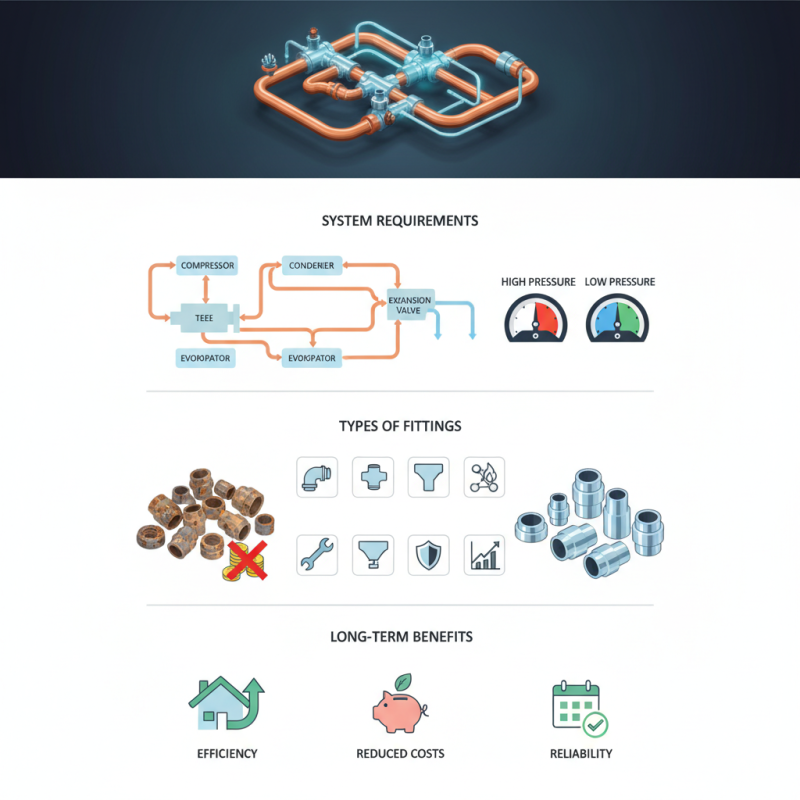
The market offers many types of refrigeration copper fittings. Each type has its own specifications and uses. Understanding these differences is essential. For instance, some fittings are designed for high-pressure applications, while others work best in low-pressure environments. It's important to consider the specific requirements of your system.
Many people overlook the quality of fittings when making a purchase. Cheap fittings might save money initially, but they can cause issues later. It's worth investing in high-quality refrigeration copper fittings for long-term reliability. Reflecting on your choices can lead to better outcomes and more successful installations.
Understanding the Different Types of Refrigeration Copper Fittings
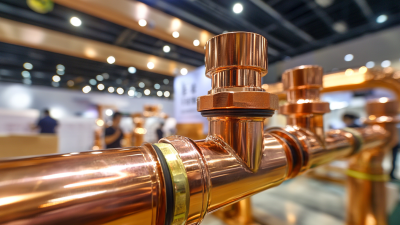
Choosing the right refrigeration copper fittings is crucial for system efficiency. Different types serve specific purposes. You’ll find various fittings such as elbows, tees, and couplings. Each type connects pipes in unique ways. Understanding these connections helps avoid leaks and inefficiencies.
Elbows direct the flow of refrigerants. They come in various angles, with 45 and 90 degrees being common. Tees, on the other hand, allow branching off the main line. They are vital when integrating multiple systems. Couplings join two pipes together, providing a seamless transition.
It’s important to consider diameter and pressure ratings. Mismatches can lead to failures over time. Some may overlook the need for proper soldering techniques. This mistake could result in costly repairs later. Take time to reflect on your choices. Quality matters, and not all fittings are created equal.
Evaluating Size and Compatibility for Your Refrigeration System
When selecting refrigeration copper fittings, size and compatibility are crucial factors. Start by measuring the pipe diameter. Standard sizes usually align with specific refrigeration systems. A mismatch in dimensions can lead to leaks or inefficient operation. Determining the right fitting ensures secure connections.
Compatibility goes beyond size. Different refrigerants require specific materials. Copper might not be suitable for all applications. Pay close attention to the fitting's resistance to corrosion and pressure. This is often overlooked, but it's vital for long-term efficiency. Using incompatible fittings can damage your system over time.
Consider the installation environment, too. Corrosive elements can affect performance. Some fittings are designed for harsh conditions. Regularly inspect your fittings to avoid surprises. Even minor issues can lead to significant failures. Choose wisely and remain vigilant. A little care can save a lot in the long run.
Assessing Quality and Material Standards for Copper Fittings
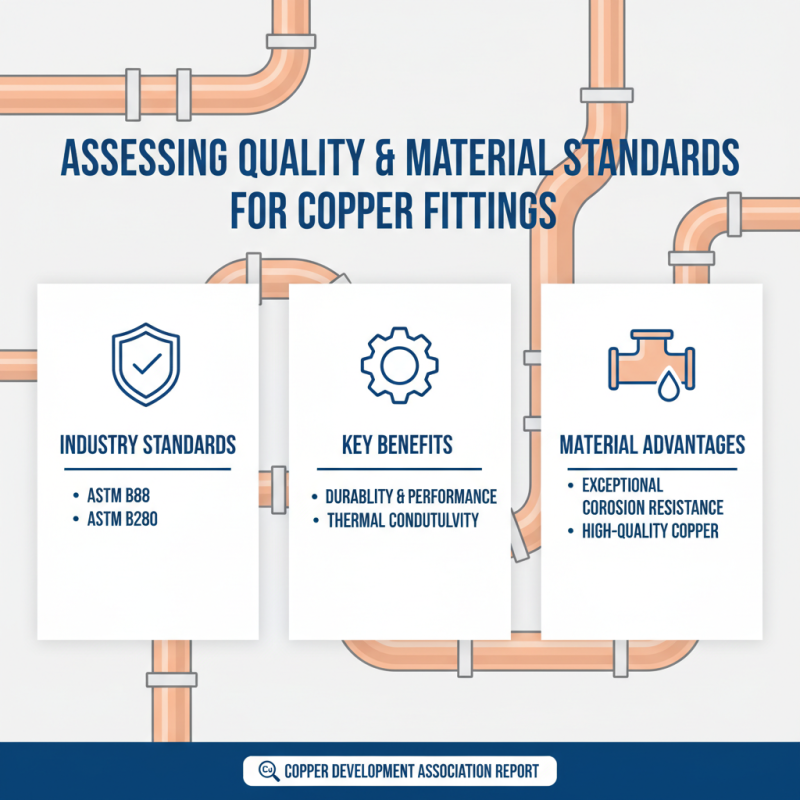
When selecting refrigeration copper fittings, assessing quality and material standards is crucial. Copper fittings must meet specific industry standards, including ASTM B88 and B280. These standards ensure durability and performance. A report from the Copper Development Association highlights that high-quality copper offers exceptional corrosion resistance and thermal conductivity.
Not all copper fittings are created equal. Some cheaper options may not meet these standards and could fail under pressure. It's essential to look for fittings with certifications. Some installations have reported a 30% increase in efficiency when using certified materials.
Consider the gauge of the copper. Thicker fittings generally provide better strength and longevity. However, they can also be heavier and more expensive. Balancing cost and quality is a challenge. Additionally, some fittings may have imperfections that may not be visible. Inspect randomness in fittings to ensure consistent quality, as small defects can lead to significant failures over time.
Tips for Installation and Maintenance of Copper Fittings
When installing copper fittings in your refrigeration system, precision is key. Ensure all surfaces are clean and free of debris. This step is often overlooked but vital for a secure connection. Use a wire brush to remove any oxidation from the fitting or pipe. Sometimes, tools can leave behind small particles that disrupt the seal.
During installation, consider the orientation of the fittings. It may seem trivial, but misalignment can lead to leaks. Ensure that each connection is correctly aligned before tightening. Tighten them with a torque wrench to prevent over-tightening, which can damage the fitting.
Maintenance is equally important. Regularly check for any signs of wear or corrosion. A gentle wipe can often reveal hidden issues. Look for dark spots or discoloration. These could indicate leaks developing. Addressing these small issues early can save time and money. Remember, attention to detail in both installation and maintenance will lead to a more efficient system.
Common Mistakes to Avoid When Choosing Copper Fittings
When choosing refrigeration copper fittings, avoid common mistakes that can lead to system inefficiencies. One major error is selecting the wrong size fittings. Undersized or oversized fittings can restrict flow or create leaks. According to the International Institute of Refrigeration, improper fitting sizes account for nearly 25% of system failures. Always measure carefully before making a purchase.
Another frequent mistake is overlooking compatibility. Not all copper fittings work with every type of refrigerant. Using the wrong fitting can lead to corrosion or reduced efficiency. For instance, some materials clash with R-410A refrigerant. It’s essential to check compatibility, or else expect costly repairs.
**Tip**: Keep a checklist of required specifications when selecting fittings to ensure you avoid mistakes.
Many people also neglect quality. Cheap fittings may look appealing, but they can cost you more in the long run. Investigate the manufacturing processes and certifications. If a fitting looks imperfect, such as having uneven surfaces or defects, reconsider your choice. Quality affects performance, especially in high-pressure situations.
**Tip**: Invest in fittings from reputable sources; they typically have better warranties and reliability.
How to Choose Refrigeration Copper Fittings for Your System? - Common Mistakes to Avoid When Choosing Copper Fittings
| Dimension |
Type of Fitting |
Common Mistakes |
Recommended Practice |
| 1/4 inch |
Elbow |
Choosing incorrect angle |
Verify installation angle |
| 3/8 inch |
Union |
Ignoring connection type |
Match with existing fittings |
| 1/2 inch |
Tee |
Overlooking material quality |
Choose high-quality copper |
| 5/8 inch |
Caps |
Purchasing without measurement |
Always measure before purchase |
| 3/4 inch |
Reducer |
Not considering thermal expansion |
Allow for expansion gaps |



 Email
Email Whatsapp
 WeChat