What is the Best Heat Blower Fan for Home Use?
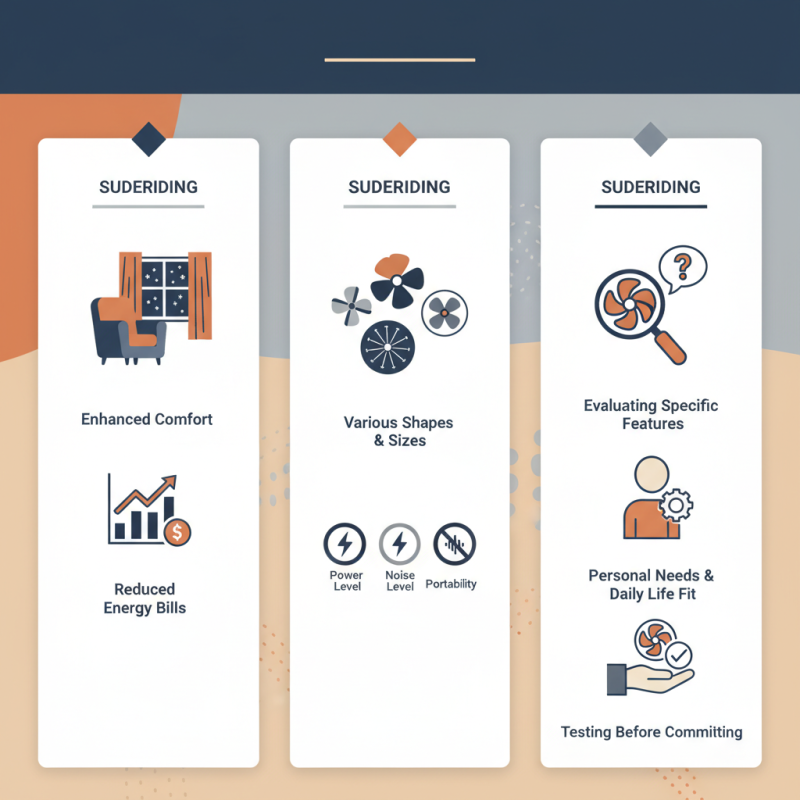
When considering a "Heat Blower Fan" for home use, expert Anna Rodriguez highlights, “Finding the right heat blower can enhance comfort significantly.” The right fan can make a real difference in your living space, especially during the colder months. A well-chosen heat blower fan ensures efficient heating and can help reduce energy bills.
As winter approaches, the need for a reliable heat blower fan becomes critical. These fans come in various shapes and sizes, catering to different needs and spaces. Some individuals may struggle to choose among the options available. It’s important to evaluate specific features like power, noise level, and portability.
Many fans promise efficiency but fall short in real-world use. Selecting the best heat blower fan involves more than just reading reviews. It’s about understanding how the fan fits into your daily life. Reflecting on personal needs can lead to better choices. Don't overlook the importance of testing a fan before committing. This aspect often gets ignored, leading to dissatisfaction later on.
Understanding Heat Blower Fans: Key Features and Benefits
Heat blower fans are essential for maintaining warmth in chilly environments. They utilize powerful heating elements to disperse air, offering immediate relief from cold drafts. When shopping for a heat blower fan, several features deserve attention. Look for adjustable heat settings that allow customization. Many models come with built-in thermostats to regulate temperature efficiently.
Portability is another key benefit. Lightweight designs with carry handles make it easy to move between rooms. Efficient energy use can save on electricity bills, especially during long winter months. However, not all fans distribute heat evenly. Some may leave cold spots in a room. Users should look for models that include oscillation features to counteract this issue.
Noise levels are another aspect to consider. Some fans operate quietly, while others can be quite loud. If noise bothers you, it’s worth checking user reviews. Lastly, some fans lack safety features like tip-over protection. It’s crucial to prioritize safety for peace of mind. Consider your needs carefully to find a heat blower that fits your home best.
What is the Best Heat Blower Fan for Home Use?
| Model |
Power (Watts) |
Heating Capability (sq ft) |
Fan Speeds |
Weight (lbs) |
Noise Level (dB) |
Features |
| Model A |
1500 |
400 |
3 |
10 |
55 |
Thermostat, Timer |
| Model B |
1200 |
300 |
2 |
8 |
60 |
Remote Control |
| Model C |
2000 |
500 |
4 |
12 |
50 |
Oscillation, Safety Features |
| Model D |
1500 |
350 |
3 |
9 |
62 |
Smart App Control |
| Model E |
1800 |
450 |
5 |
11 |
54 |
Energy Efficient |
Types of Heat Blower Fans Suitable for Home Use
When considering heat blower fans for home use, it’s essential to explore the types available. Some fans are compact and portable, making them perfect for small spaces. Others are larger, designed to heat bigger rooms more effectively. The size of the heating area often dictates the fan’s strength and features.
Convection heat blower fans are popular for home use. They circulate warm air throughout a room efficiently. These fans can heat a space quickly, making them ideal for chilly mornings. However, they might not be as quiet as expected. Noise can be bothersome, particularly in quiet settings.
Infrared heat blower fans are another option. They work by warming objects in the room rather than the air. This type provides instant heat and can be energy-efficient. But, they might create uneven heat distribution. Overheating can also be a concern if not monitored properly, leading to discomfort.
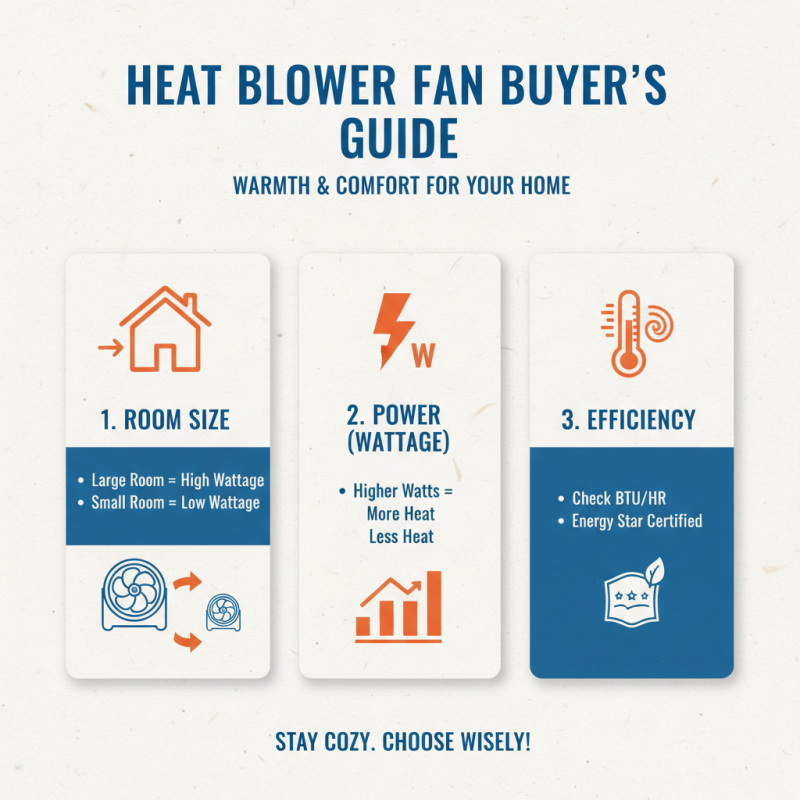
Before choosing a heat blower fan, consider room size, efficiency, and noise level.
How to Choose the Right Heat Blower Fan for Your Needs
Choosing the right heat blower fan for your home can be tough. Start by considering the size of the space you want to heat. Larger rooms require more powerful fans. Smaller models might not be enough for bigger areas. Check the fan's wattage for an idea of its effectiveness. Higher wattage often means greater warmth.
Next, think about the fan’s features. Some models come with adjustable heat settings. Others offer oscillation for even heat distribution. Look for portability if you plan to move it around. Lightweight fans are easier to handle, but they may sacrifice power.
Finally, noise level is important, too. Some fans can be quite loud, which is distracting. Find one that operates quietly, especially for bedrooms. Read reviews for insights on performance and durability. Balancing these factors can help you make a better choice.
Top Heat Blower Fan Brands and Models for Home Environments
When looking for the best heat blower fan for home use, several top brands stand out. These models are designed for efficiency and user comfort. Oftentimes, choosing the right fan involves assessing room size and heating needs. A compact model may suffice for smaller spaces, while larger rooms may require more powerful units.
Tips for choosing a heat blower fan include checking the wattage. Higher wattage often means quicker heat output. Also, consider noise levels. Some fans can be quite loud, which may be disruptive in a quiet home environment.
Aesthetics matter too. Some fans are designed to blend in seamlessly with your decor, while others can be an eyesore. Look for models with built-in safety features like tip-over protection. It's an essential factor for households with pets or small children. Reflect on your specific needs to ensure you choose wisely.
Best Heat Blower Fan Ratings for Home Use
Safety Considerations When Using Heat Blower Fans at Home
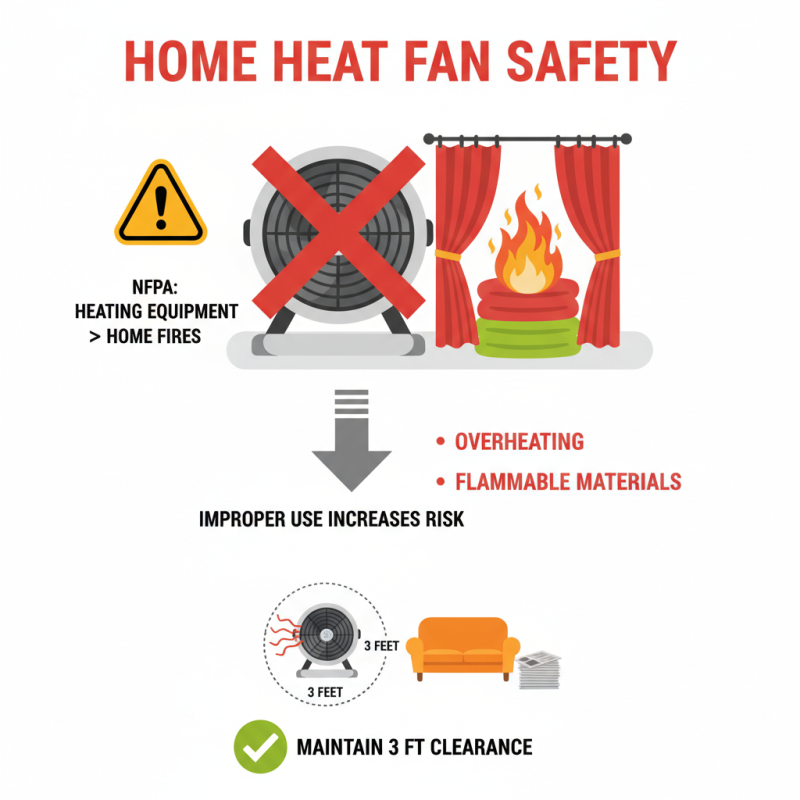
When using heat blower fans at home, safety should always be a priority. According to the National Fire Protection Association, heating equipment is a leading cause of home fires. Using these fans improperly can increase risks significantly. Overheating and flammable materials nearby are common problems. Therefore, ensuring a safe distance from any obstacles is crucial. Maintain at least three feet of clearance around the fan to prevent any hazards.
Regular maintenance is essential. Inspect the fan for dust or debris buildup. The U.S. Consumer Product Safety Commission suggests cleaning appliances often to ensure efficiency and safety. Faulty wiring or damaged cords can lead to electrical fires. Users should replace or repair any damaged parts immediately. Additionally, staying attentive while the fan is in operation is vital. Many accidents occur when devices are left unattended.
Moreover, understanding the heat output is important. Heat blower fans typically generate temperatures between 150°F and 200°F. This kind of heat can cause burns if touched directly. It’s advised to install a fan equipped with safety features like automatic shut-off. Users should consider these aspects carefully to enjoy the benefits of a heat blower fan while minimizing potential dangers.



 Email
Email Whatsapp
 WeChat