Best Heat Blower Fan for Efficient Heating Solutions?
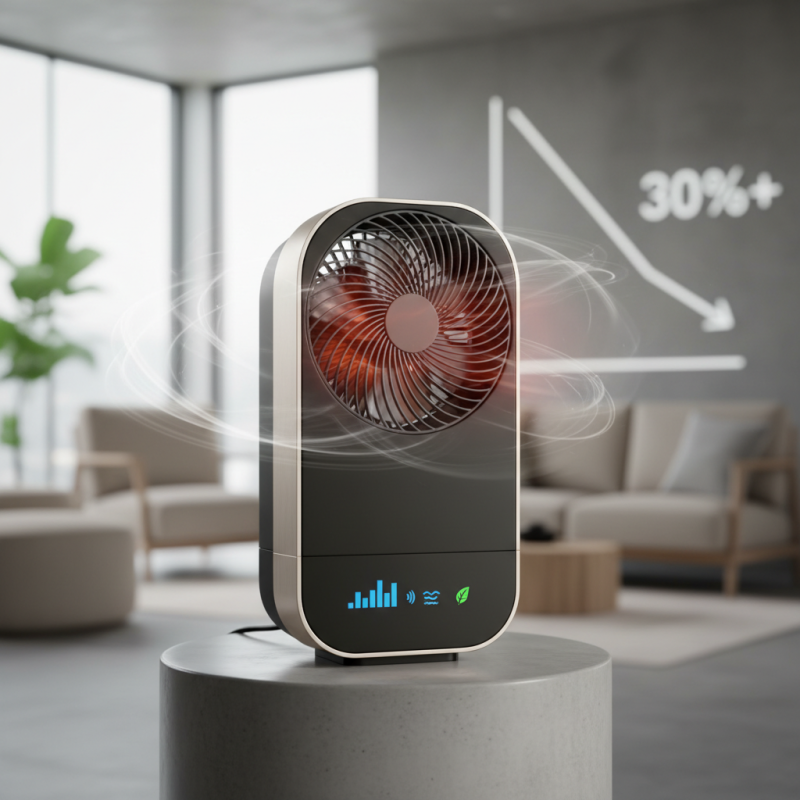
In a world increasingly focused on energy efficiency, the role of a Heat Blower Fan has become paramount. Recent industry reports indicate that homes utilizing efficient heating solutions can save over 30% on energy bills. These fans are not just about warmth; they optimize airflow for cost-effective heating. However, many consumers remain unaware of how to choose the right model.
The market is flooded with options, yet not all models deliver promised results. Research shows that the average lifespan of a heat blower fan is about 5 to 10 years, depending on usage and maintenance. Investing in a reliable fan can yield long-term benefits, but many people struggle to identify the quality options. Selecting the best Heat Blower Fan requires understanding noise levels, energy consumption, and heating capacity.
Despite the availability of data, many users overlook crucial features. As reviews and ratings vary significantly, taking the time to research can lead to better choices. Ensuring your heating solutions are effective doesn’t just provide comfort; it can mitigate rising energy costs, making informed decisions essential. Hence, exploring the best Heat Blower Fan options is both a current necessity and a long-term investment.
Understanding Heat Blower Fans and Their Heating Efficiency
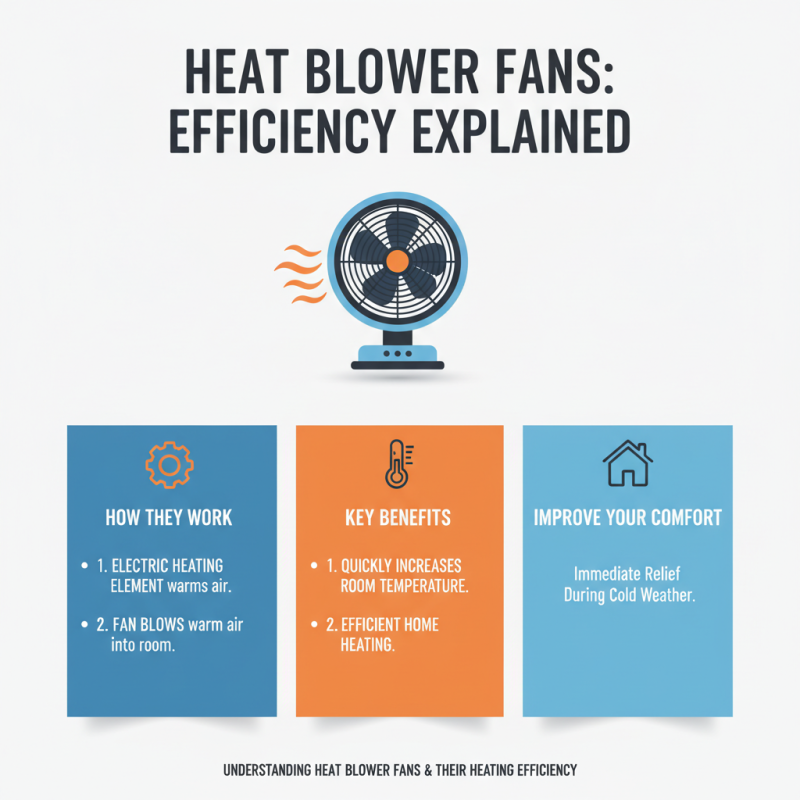
Heat blower fans are essential for efficient home heating. They work by circulating warm air, helping to quickly increase room temperature. Understanding how they function can greatly improve your heating experience. These fans use electric heating elements to warm up the air, which then blows into your space. This can provide immediate relief during cold weather.
When evaluating a heat blower fan, consider its airflow rate. A higher airflow can distribute heat faster. Look for features like adjustable speed settings. This allows for better control over heating. Some models may claim high efficiency, yet users might find them less effective in large areas. It’s crucial to assess your specific requirements.
Placement is also vital for optimal performance. Position the fan near cold drafts or the center of a room for best results. Keep in mind that while these fans are effective, they can consume significant electricity. Not all models have energy-saving features, so research is necessary. A fan might seem like a simple solution, but understanding these aspects can lead to more satisfactory heating results.
Key Features to Consider When Choosing a Heat Blower Fan
When selecting a heat blower fan, certain features significantly impact efficiency. Consider the airflow rate. A high cubic feet per minute (CFM) rating indicates effective heating coverage. Reports show that units with over 2,000 CFM can heat larger spaces efficiently.
Another key feature is the temperature control. Adjustable settings allow you to manage heat output based on your needs. Maintaining a comfortable environment can save on energy costs. Also, look for safety features like overheat protection. This can prevent potential hazards and ensure your peace of mind.
**Tip:** Compare the weight and portability of models. Lightweight units are easier to move and can be placed where needed.
Design also matters. Look for fans with durable materials and an ergonomic design. It can impact the fan's longevity. A study from the Home Heating Institute indicates that efficient designs enhance heat distribution. However, reviews sometimes show users dissatisfied with noise levels. It’s essential to find a balance between power and comfort.
**Tip:** Read user reviews to gauge real-world performance. This can help avoid disappointments.
Heat Blower Fan Efficiency Comparison
Top Brands and Models of Heat Blower Fans in the Market
When searching for an effective heat blower fan, various models stand out in the market today. These fans are designed to provide quick and even heating across a space. Many products offer features like adjustable heat settings and oscillation for better airflow. Users benefit from portable designs, making it easy to move the fan where heat is needed most.
Top brands focus on energy efficiency while ensuring powerful heating. A knowledgeable choice might include fans with built-in temperature controls. This could prevent overheating and reduce energy bills. However, some users may find certain models a bit too noisy. It’s essential to check user reviews before making a decision.
Selecting the right heat blower fan involves considering both performance and usability. Not all models meet every user's needs. For example, space constraints may limit the effectiveness of larger fans. It's crucial to assess your specific heating requirements and the area to be heated. This personal consideration will lead to more reliable heating solutions.
Best Heat Blower Fan for Efficient Heating Solutions
| Model |
Heating Power (Watts) |
Fan Speed (RPM) |
Weight (lbs) |
Noise Level (dB) |
Price ($) |
| Model A |
1500 |
3000 |
3.5 |
60 |
79.99 |
| Model B |
2000 |
3500 |
4.2 |
62 |
89.99 |
| Model C |
1800 |
3200 |
3.8 |
58 |
79.00 |
| Model D |
1200 |
2900 |
3.0 |
65 |
69.99 |
| Model E |
1600 |
3100 |
4.0 |
59 |
84.99 |
Comparative Analysis of Heat Blower Fans and Traditional Heaters
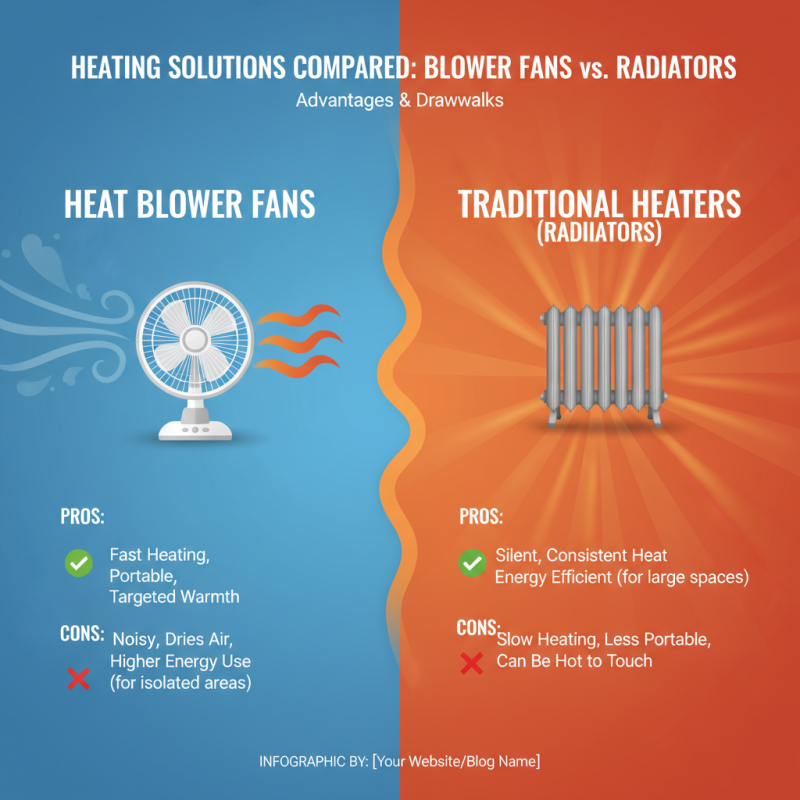
When considering heating solutions, heat blower fans and traditional heaters present distinct advantages and drawbacks. Heat blower fans are known for their rapid heating capabilities. They use a fan to circulate warm air in a space quickly. This makes them ideal for immediate comfort during chilly evenings. In contrast, traditional heaters take longer to warm a room. They continuously radiate heat, creating a more even and consistent warmth over time.
However, the efficiency of heat blower fans raises questions. While they offer quick relief, they can consume more energy if used extensively. Over time, this may lead to increased utility bills. Traditional heaters, while slower, often provide a more stable heating experience. They can be more energy-efficient in larger spaces. This difference may make them a better choice for long-term use.
Both options have their place in home heating strategies. Many users might find themselves switching between both, depending on the situation. Evaluating personal needs is essential. Reflecting on how each type works in different settings could lead to better heating choices. Comfort, efficiency, and energy costs are factors that deserve thoughtful consideration.
Tips for Optimizing the Use of Your Heat Blower Fan for Best Results
Using a heat blower fan effectively can make a big difference in your comfort during colder months.
Placement is crucial. Position the fan near a heat source to optimize warmth distribution.
This ensures heat circulates throughout the room, avoiding cold spots. The airflow should be directed towards living areas where people spend most of their time.
Adjusting the temperature settings can also enhance efficiency. Many heat blower fans come with multiple heat settings.
Experiment with these options to find the perfect balance between comfort and energy savings.
Running the fan on lower settings can still provide sufficient heat without overconsuming energy.
Regular maintenance is key. Dust and debris can accumulate quickly, affecting performance. Cleaning the fan ensures it operates effectively, providing consistent warmth.
Don’t forget to consider insulation. If your room is poorly insulated, the heat blower may struggle to keep warm air inside.
Identifying drafts or heat loss areas can assist in optimizing performance. Reflecting on usage habits can reveal wasteful patterns.
For instance, leaving the fan on in an unoccupied room can lead to unnecessary heating costs. Paying attention to how and when you use the fan can lead to improved efficiency and comfort.



 Email
Email Whatsapp
 WeChat