Best Exhaust Fan Motor Types for 2026 What to Choose?
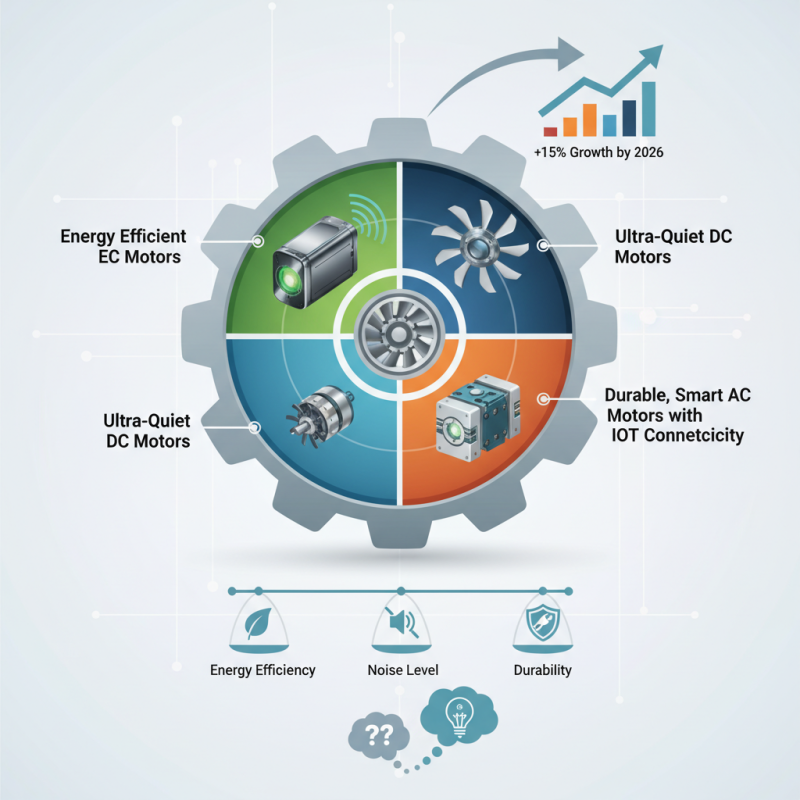
As we approach 2026, choosing the right Exhaust Fan Motor is crucial for various industries. The demand for efficient ventilation solutions is on the rise. According to a recent report by the Ventilation Industry Association, the market for these motors is expected to grow by 15% in the next three years.
Expert John Smith emphasizes, "The choice of exhaust fan motor can significantly impact energy consumption and performance." It's essential to select the right type to maximize efficiency and reduce costs. However, not all motors suit every application. Factors like noise levels, energy efficiency, and durability play vital roles.
While the advancements in technology are impressive, they raise questions. Are we truly aware of our unique requirements? Do we prioritize cost over quality? These considerations are important in making an informed decision. Selecting a suitable Exhaust Fan Motor may seem straightforward, but it requires deeper reflection on industry needs.
Best Exhaust Fan Motor Types: An Overview of 2026 Trends
As 2026 approaches, choosing the right exhaust fan motor becomes crucial. Various types are available, but understanding their differences is key. Single-phase motors are popular for their simplicity. They are easy to install and maintain. However, they may struggle in large spaces.
On the other hand, three-phase motors offer better power efficiency. They are ideal for commercial settings. These motors can handle higher loads. But, they’re often more expensive and may require specialized wiring. Choosing between them requires careful consideration of your needs.
Emerging trends focus on energy efficiency and noise reduction. Brushless DC motors are gaining traction. They are quieter and more efficient. However, they can be complex to set up. Users need to weigh the pros and cons. Finding the right balance is essential for optimal performance.
Best Exhaust Fan Motor Types for 2026
This chart illustrates the projected popularity of different types of exhaust fan motors for the year 2026. The data represents a survey of industry experts focusing on efficiency, durability, and noise levels.
Comparative Analysis of AC and DC Motors in Exhaust Fans for 2026
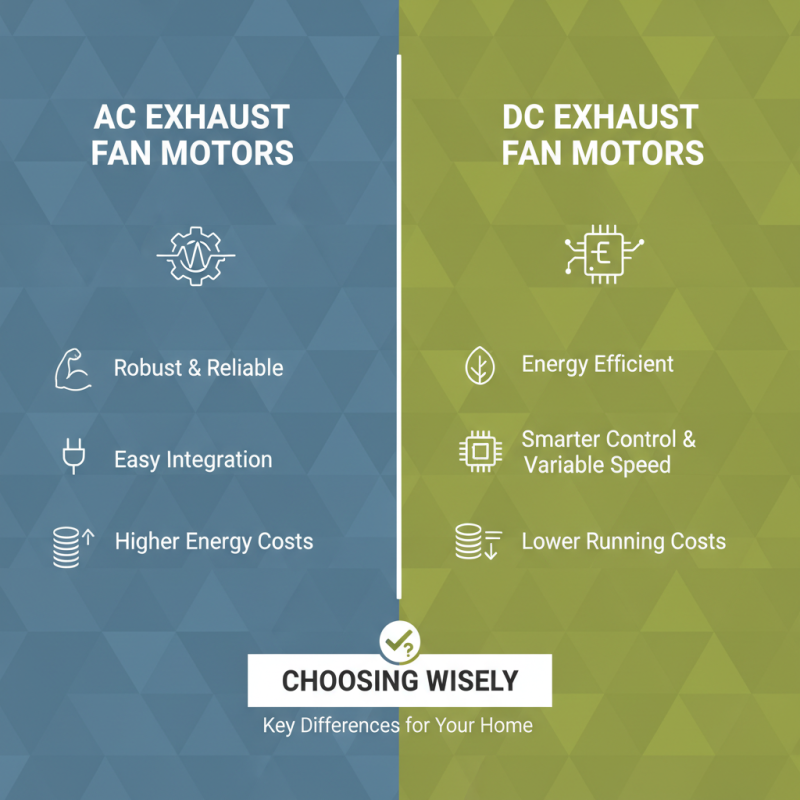
When choosing an exhaust fan motor, understanding the differences between AC and DC motors is crucial. AC motors have been a standard choice for many years. They are generally robust and reliable. Their design allows for easy integration into existing electrical systems. However, they can consume more energy, leading to higher operating costs.
On the other hand, DC motors are becoming increasingly popular due to their efficiency. They can significantly reduce energy consumption. This is especially important in areas where energy savings are a priority. Moreover, DC motors tend to be quieter, which is a key factor in residential settings. However, they may require specialized controllers, which could complicate the installation process.
Both motor types have their advantages and drawbacks. Users often overlook the maintenance of these motors. Regular checks can prevent unexpected failures. It's also worth pondering whether the initial investment aligns with long-term savings. The decision isn't always clear-cut.
Energy Efficiency Ratings: Understanding the Impact on Performance
When choosing an exhaust fan motor, energy efficiency ratings play a crucial role. These ratings indicate how effectively a motor converts energy into airflow. A higher rating often means lower energy consumption, which can significantly reduce utility bills over time. It’s essential to understand that not all motors are created equal. Some may seem efficient but might struggle in specific environments.
The size and installation of the exhaust fan can impact the motor's performance. For example, a small fan in a large space may not provide adequate ventilation. In contrast, an oversized fan can create unnecessary noise and higher energy costs. This balance is key. Additionally, efficiency ratings can change with use. A motor that starts strong might lag over time without proper maintenance.
Investing in a motor with a high efficiency rating can be wise, yet it may come with a higher upfront cost. It requires careful consideration of long-term savings versus initial investment. Often, consumers overlook these details, focusing only on features. It's necessary to weigh these factors against your specific needs and conditions to avoid future regrets. Energy efficiency is not just a number; it's about making informed choices for your space.
Durability and Maintenance: Key Factors in Motor Selection
When selecting an exhaust fan motor for 2026, durability is a key factor. A robust motor typically lasts longer. Look for heavy-duty materials that can withstand wear and tear. Stainless steel or thermoplastic components do well in harsh environments. These materials resist corrosion and moisture.
Maintenance should not be overlooked. Regular checks can prevent larger issues. Clean the fan and motor periodically. Dust and debris can affect performance. Lubrication is essential, too. Without it, parts may wear out faster.
Another aspect to consider is energy efficiency. Choosing a motor that consumes less power is wise. It benefits both the environment and your wallet. However, an efficient model might have a higher upfront cost. Weighing initial costs against long-term savings is necessary. Making the right choice today can save troubles tomorrow.
The Future of Smart Exhaust Fans: Integration of IoT in 2026
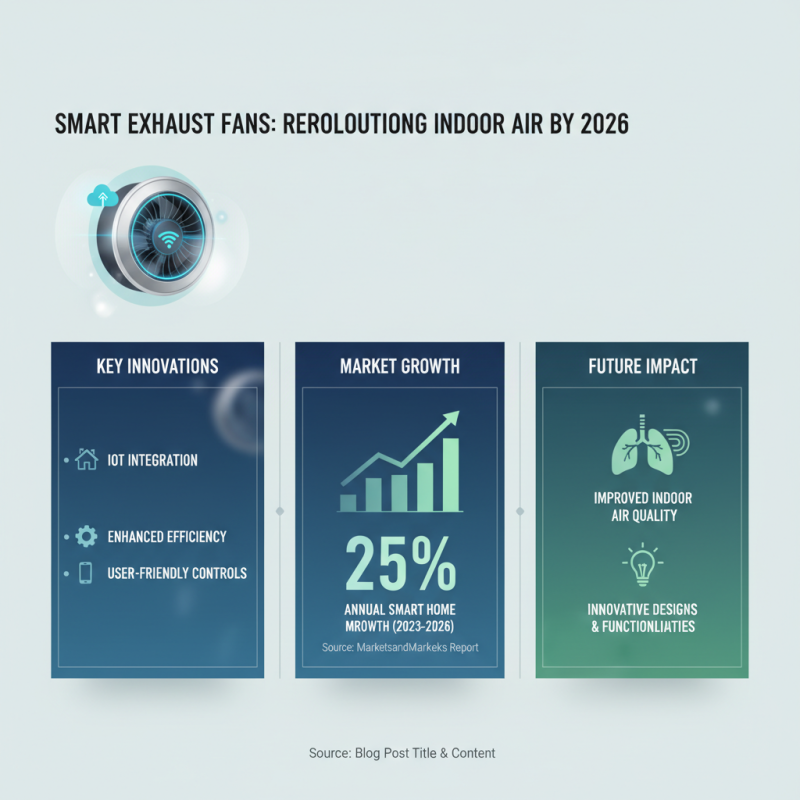
Smart exhaust fans are set to revolutionize indoor air quality by 2026. With the integration of IoT technology, these fans will become more efficient and user-friendly. According to a recent report by MarketsandMarkets, the smart home market is projected to grow by 25% annually, increasing demand for smart appliances. This trend will drive innovations in exhaust fan designs and functionalities.
These smart fans will offer features such as remote control and energy monitoring. Users will be able to adjust settings through smartphones or home automation systems. This adds convenience but raises questions about data privacy and security. A study from Grand View Research highlights that over 60% of consumers are concerned about smart device vulnerabilities. Addressing these issues is critical for widespread acceptance.
As the industry evolves, the challenge will be balancing functionality and security. While manufacturers innovate, they must ensure robust protections against cyber threats. The future of smart exhaust fans is bright, yet it calls for reflection on the implications of connected devices in our homes. Awareness is key for both consumers and developers.



 Email
Email Whatsapp
 WeChat