What is an Ac Blower Motor and How Does it Work?
The AC blower motor is a crucial component in an air conditioning system. It plays a vital role in circulating cool air throughout your home or vehicle. Without it, the comfort of a cool breeze on a hot day would be impossible.
This motor operates by drawing in air and pushing it through the system's evaporator coils. It's often overlooked until it fails. When that happens, you may notice reduced airflow or strange noises. These signs demand your attention.
Understanding the AC blower motor helps in maintaining your air conditioning system. Regular maintenance can prevent premature failure. Yet, many neglect this vital part. Reflecting on its importance may lead to better care and a more comfortable environment.
What is an AC Blower Motor?
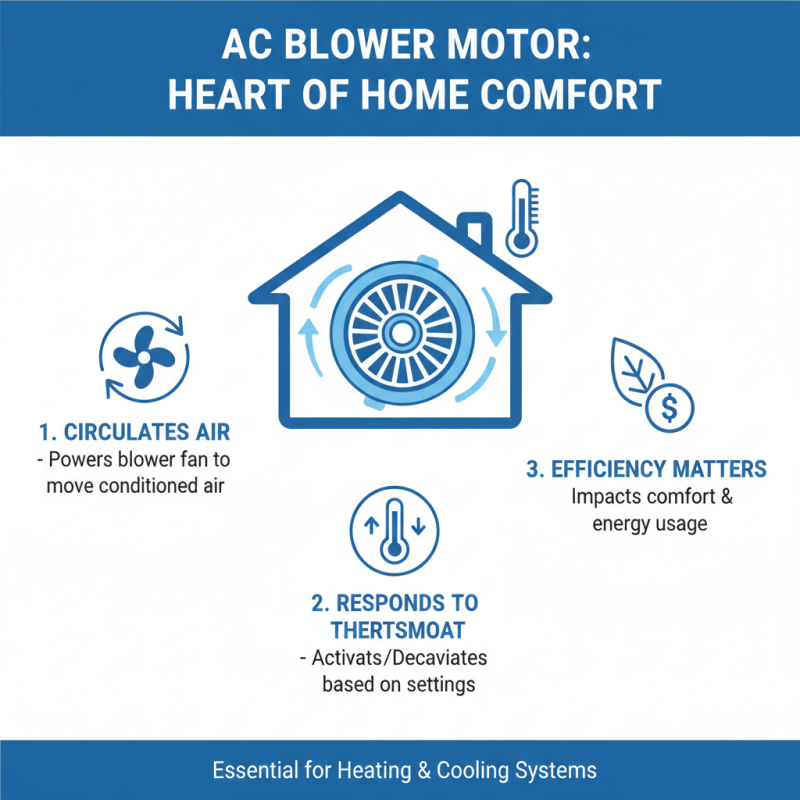
An AC blower motor is an essential component in heating and cooling systems. It plays a crucial role in circulating air throughout your home. This motor powers the blower fan, helping to maintain comfortable temperatures. When you adjust your thermostat, the AC blower motor responds by activating or deactivating. Its efficiency impacts both comfort and energy usage.
According to a report from the U.S. Department of Energy, properly maintained blower motors can save homeowners significant energy costs. These motors typically run at high speeds, and a worn-out motor can lead to reduced airflow. It's important to check the motor regularly for signs of wear. Issues like unusual noises or inconsistent airflow can indicate problems. Addressing these early can save money and ensure optimal performance.
Blower motors can vary in design and size, impacting their effectiveness. Many professionals recommend selecting a motor that matches your system's needs. Having an undersized motor can lead to strain and early failure. Conversely, oversize motors can waste energy and create unnecessary wear. Finding the right balance requires careful assessment and professional input. Regular maintenance and understanding of your AC blower motor can lead to better performance and lower energy bills.
Key Components of an AC Blower Motor
An AC blower motor is essential in any heating and cooling system. It circulates air throughout the space, ensuring comfort. Key components of an AC blower motor include the motor itself, the fan, and various electrical connections. Each part plays a vital role in the motor's functionality.
The motor powers the fan blades, creating airflow. Without a functioning motor, the fan cannot operate. The fan is often made of durable materials to withstand various temperatures. Electrical connections are crucial for providing the necessary power. A loose wire can disrupt the entire system.
Tips: Regular maintenance is key. Clean the blower motor and fan regularly to avoid dust build-up. Check electrical connections for wear and tear. Neglecting these tasks can lead to inefficiencies. Sometimes, the simplest problems cause the most headaches.
It's important to listen for unusual noises. Grinding or squeaking might indicate an issue. Addressing these signs promptly can save you from costly repairs. A little attention goes a long way in keeping your AC system running smoothly.
How Does an AC Blower Motor Operate?
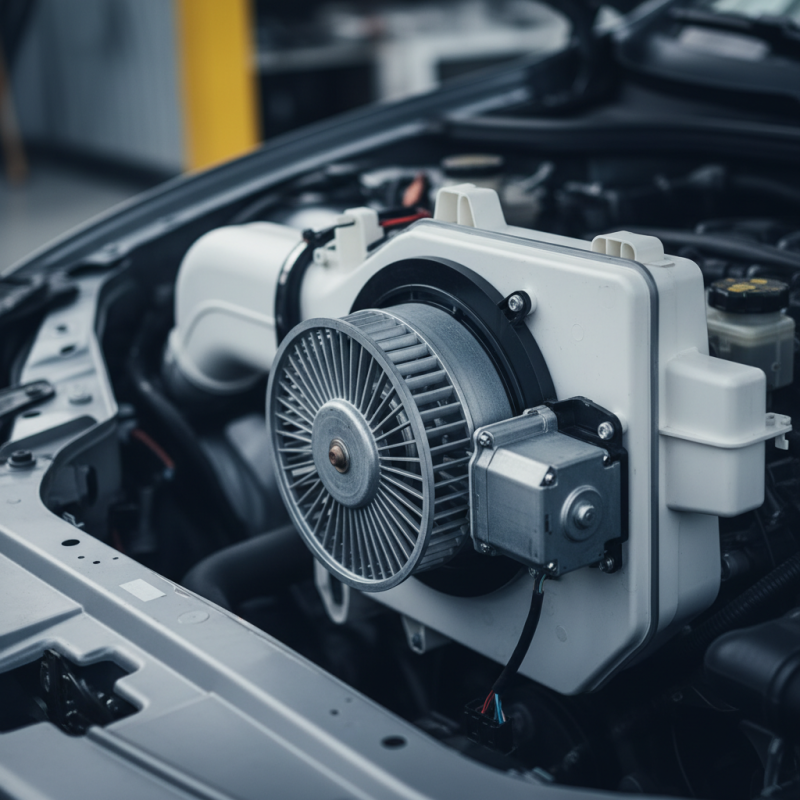
An AC blower motor plays a crucial role in your vehicle's climate control system. It is responsible for circulating air through the cabin. This motor powers the fan, which draws air into the system and pushes it out through the vents. When the air conditioning or heating is activated, the blower motor starts working, ensuring a comfortable environment inside the vehicle.
The operation of the AC blower motor involves simple mechanics. When you adjust the climate control settings, the motor receives an electrical signal. This signal switches on the motor, causing it to spin. The fan blades then move air rapidly, creating a flow that changes the cabin's temperature. As the speed adjustments are made, the motor increases or decreases its rotation.
At times, issues may arise in the blower motor's function. Dust and debris can accumulate, affecting airflow. A malfunctioning motor can produce strange noises or fail to operate entirely. Regular maintenance is essential but often overlooked. Neglecting these aspects can lead to an uncomfortable ride. Awareness of these problems is crucial for optimal vehicle performance.
Common Issues with AC Blower Motors
AC blower motors play a crucial role in airflow within HVAC systems. However, they can face various issues that affect their performance. One common problem is a failure to start. This can be due to electrical malfunctions or worn-out components. It’s frustrating when you need cool air, and the motor won't respond. Regular maintenance can help detect these problems early.
Another frequent issue is unusual noises coming from the blower. These sounds may indicate loose parts or debris in the fan. Ignoring such noises can lead to bigger failures. Vibrations and rattling might disrupt the motor's operation, creating a cycle of wear. It's essential to address these before they escalate.
Overheating is a concern as well. When a blower motor runs too hot, it can shut down unexpectedly. This can be due to dust buildup or inadequate lubrication. Unfortunately, many overlook the importance of keeping the motor clean. Reflecting on these common problems can encourage proactive care for your AC system.
What is an AC Blower Motor and How Does it Work? - Common Issues with AC Blower Motors
| Dimension |
Details |
| Function |
Circulate air through the HVAC system. |
| Typical Voltage |
12-14 Volts DC (automotive) or 115-240 Volts AC (home) |
| Common Issues |
1. No airflow
2. Unusual noise
3. Motor overheating |
| Signs of Failure |
1. Blower not turning on
2. Weak airflow
3. Burning smell |
| Maintenance Tips |
1. Regularly clean or replace filters
2. Inspect for obstructions
3. Check electrical connections |
| Lifespan |
Typically 10-15 years depending on usage and maintenance. |
Maintenance Tips for Prolonging Blower Motor Life
Maintaining your AC blower motor can significantly extend its lifespan and efficiency. Most experts suggest that proper upkeep can increase the lifespan of an AC system by up to 30%. Regularly cleaning the blower motor and its components is essential. Dust and debris can accumulate, causing the motor to overheat. An overworked motor is a short-lived motor.
One effective maintenance tip is to check and replace air filters regularly. Clogged filters restrict airflow, leading to increased strain on the blower motor. According to industry reports, neglecting filter changes can reduce system efficiency by 10-15%. A simple filter change can save hundreds in energy costs and prolong the lifespan of the motor.
Don’t forget to listen for any unusual sounds when the AC is running. A rattling or grinding noise could indicate wear or misalignment. Moreover, maintaining proper lubrication is crucial. Most blower motors require lubrication every year, ensuring smooth operation and preventing early wear. These small steps can ensure your blower motor operates optimally for years to come.



 Email
Email Whatsapp
 WeChat